
Resin Loading & Aggressive Vibration: The Complete Diagnostic & Teardown Guide for Tungsten Carbide Wood Shaping Discs
The tungsten carbide wood shaping disc is supposed to be the ultimate rough-shaping weapon — transforming your angle grinder into a high-speed material removal machine for timber framing, sculpture, and renovation work. But when the disc fails, it fails hard: resin loading, tooth dulling, vibration, and dangerous kickback. This guide walks through the complete diagnostic sequence, cleaning protocol, and maintenance workflow for these aggressive shaping attachments.
Symptom Awareness — What Failure Looks Like
Before you assume the disc is worn out, document the failure mode. These are the most common indicators that your tungsten carbide shaping disc is compromised:
- Loss of Cutting Action: The disc spins but removes little to no material. The carbide teeth are loaded with resin, pitch, or wood fibers — a condition known as “loading”[reference:0].
- Excessive Vibration: The grinder vibrates aggressively as soon as the disc contacts the workpiece. The disc is out of balance due to uneven wear, missing carbide teeth, or accumulated debris.
- Burning or Scorching: The workpiece shows burn marks or the wood darkens during shaping. The disc is generating friction instead of cutting — the carbide teeth are dull or loaded.[reference:1]
- Kickback or Grabbing: The grinder snatches or kicks back when the disc engages the wood. The teeth are grabbing aggressively due to uneven wear or the disc is mounted incorrectly.
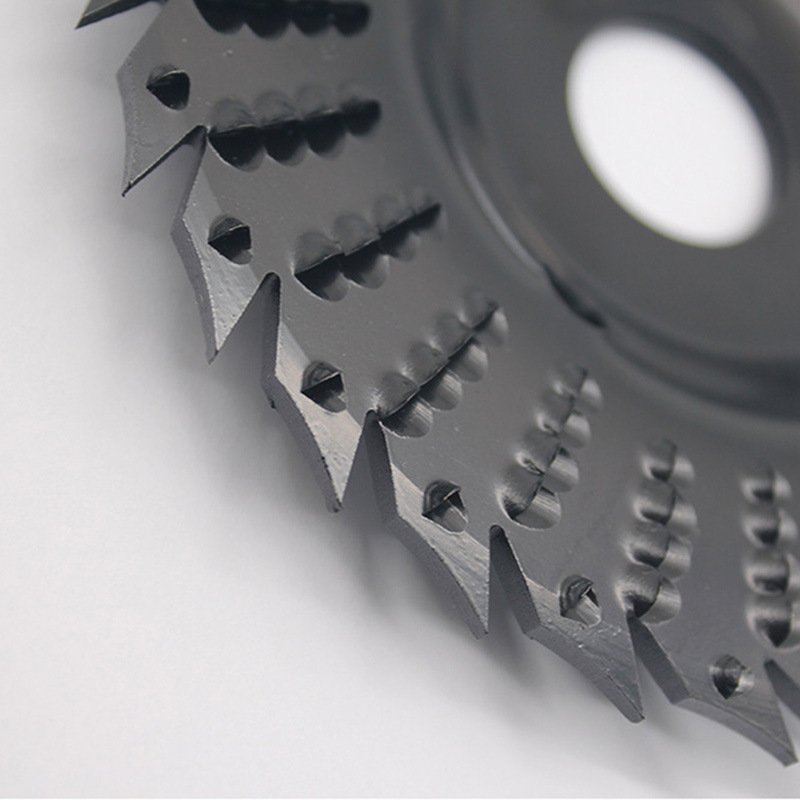
- Visible Tooth Damage: Carbide teeth are chipped, missing, or have come loose from the brazed bond. The disc is structurally compromised.
Diagnostic Data — Precision Carbide Disc vs. Compromised Unit
A quality tungsten carbide shaping disc is a precision cutting tool. Here’s the benchmark data that separates a properly functioning disc from one that’s destroying your workflow:
| Parameter | Compromised / Loaded Unit | Precision-Ready Unit |
|---|---|---|
| Material Removal Rate | Minimal — friction instead of cutting | Aggressive — removes stock rapidly |
| Carbide Tooth Condition | Loaded with resin / chipped / missing | Clean, sharp, fully intact |
| Disc Balance | Vibrates — uneven wear or debris | Smooth — balanced rotation |
| Brazed Bond Integrity | Teeth loose or missing | Fully brazed — teeth secure |
| Heat Generation | Excessive — burns workpiece | Minimal — efficient cutting |
Teardown & Inspection Workflow
Before you replace the shaping disc, run through this inspection and cleaning sequence. Many issues are resolved with proper cleaning and technique — not disc replacement.
Remove the disc from the grinder. Inspect all carbide teeth for chips, cracks, or missing segments. Check the brazed joints — any loose teeth indicate structural failure.
Soak the disc in a solvent-based cleaner (mineral spirits or commercial resin remover) for 15-20 minutes. Use a brass wire brush to remove softened resin from between the teeth[reference:3].
Mount the disc on a balancing arbor or spin it by hand on the grinder spindle. Any wobble or uneven rotation indicates a bent disc or uneven tooth wear.
Inspect the disc’s arbor hole (typically 7/8″ or 22.2mm) and the grinder’s spindle shoulder (typically 5/8″)[reference:4]. Any debris or damage here introduces runout and vibration.
Reassembly & Operational Protocol
After inspection and cleaning, follow this sequence to restore the shaping disc to peak performance:
- Mounting Procedure: Ensure the grinder’s spindle shoulder (typically 5/8″) is clean and free of debris. Mount the disc (7/8″ or 22.2mm arbor) onto the shoulder — it should seat fully against the flange[reference:6]. Tighten the retaining nut to the manufacturer’s specified torque — typically 8-10 Nm (70-88 in-lbs).
- Guard Installation: Never operate the shaping disc without the angle grinder’s protective guard installed and properly positioned[reference:7]. The guard should cover at least 180° of the disc circumference.
- Speed Selection: For most tungsten carbide shaping discs, the optimal speed range is 6,000-10,000 RPM. Excessive speed generates heat and accelerates resin loading. Too low, and the disc fails to cut effectively.
- Cutting Technique: Use light to moderate pressure — let the carbide teeth do the work. Forcing the disc into the workpiece generates heat, loads the teeth, and increases kickback risk.
- Workpiece Securing: Always secure the workpiece firmly before shaping. Never hold the workpiece by hand — use clamps, vises, or a workbench[reference:8].
- Preventative Maintenance: After every 15-20 minutes of continuous use, stop and inspect the disc for resin loading. Clean as needed. Rotate the disc 180° on the spindle periodically to ensure even tooth wear.
Yoast FAQ
❓ Q: My tungsten carbide shaping disc loads up with resin within minutes — what am I doing wrong?
A: Resin loading is caused by three factors: (1) the wood is too wet or has high resin content (pine, cedar, or green timber), (2) the grinder speed is too high, generating heat that melts resin into the teeth, or (3) you’re applying too much pressure, which friction-bonds resin to the carbide. Solution: reduce grinder speed, use lighter pressure, and clean the disc regularly with a brass brush or solvent[reference:9].
❓ Q: How do I clean a heavily loaded carbide shaping disc without damaging the teeth?
A: Two effective methods: (1) Soak the disc in mineral spirits or a commercial resin remover for 15-20 minutes, then scrub with a brass wire brush. Never use a steel brush — it can damage the carbide brazing. (2) For stubborn loading, use the “burn-off” method — run the grinder at speed and briefly touch the disc to scrap metal to burn off resin[reference:10]. Avoid quenching a hot disc in water, as thermal shock can crack the carbide.
❓ Q: What arbor size do I need for a standard angle grinder?
A: Most tungsten carbide shaping discs feature a 7/8″ (22.2mm) arbor hole, designed to mount on the 7/8″ shoulder found on the bushing or adapter included with most angle grinders with a 5/8″ shaft[reference:11]. Always verify your grinder’s spindle and shoulder dimensions before purchasing.
❓ Q: Can I use a tungsten carbide shaping disc on wet or green wood?
A: You can, but expect significantly faster resin loading. Wet wood releases pitch and moisture that bonds to the carbide teeth, reducing cutting efficiency within minutes. If you must shape green timber, reduce grinder speed, use lighter pressure, and plan to clean the disc frequently — every 5-10 minutes of use.
Safety Notes
- 🔴 Always disconnect the grinder from power before mounting, adjusting, or cleaning the shaping disc.
- 🛡️ Never operate without the guard — the protective guard must be installed and properly positioned before use[reference:12].
- 🧤 Wear appropriate PPE — safety glasses, face shield, cut-resistant gloves, and hearing protection. Shaping operations generate significant wood dust and noise.
- ⚙️ Never exceed the disc’s maximum RPM rating — typically 10,000-12,000 RPM for most carbide shaping discs. Exceeding this rating can cause catastrophic disc failure.
- 🔧 Secure the workpiece — always clamp or secure the workpiece before shaping. Never hold the workpiece by hand[reference:13].
- 📐 Inspect the disc before each use — check for missing or damaged teeth, cracks, or deformation. A compromised disc is a safety hazard.
- ✅ Clean the grinder regularly — remove wood shavings and dust from around the switch and vents. Accumulated debris can clog the mechanism[reference:14].

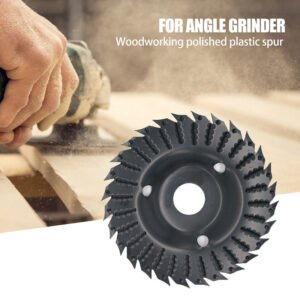
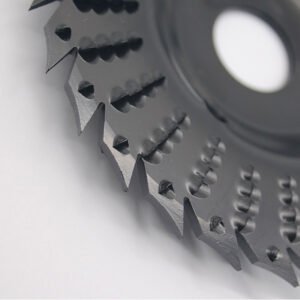
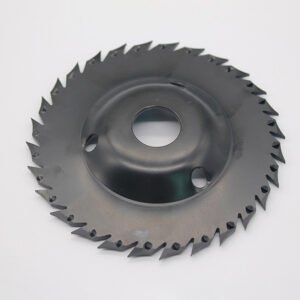
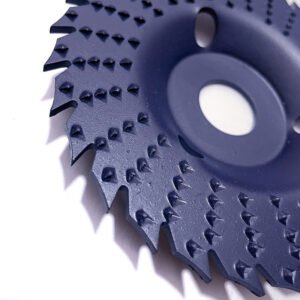
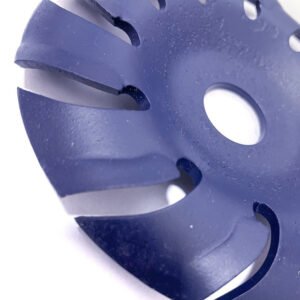
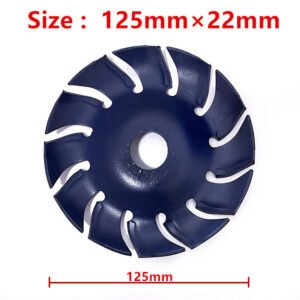
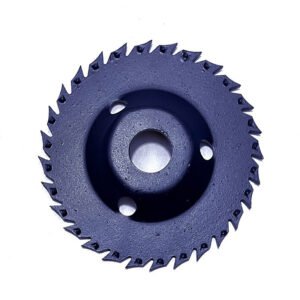
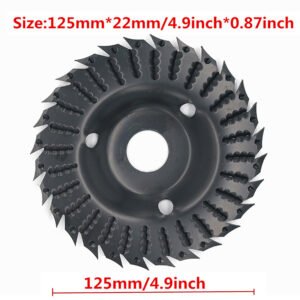
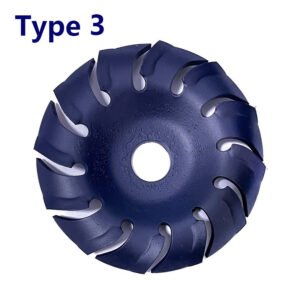
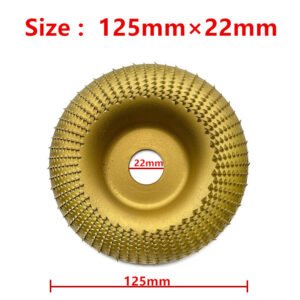
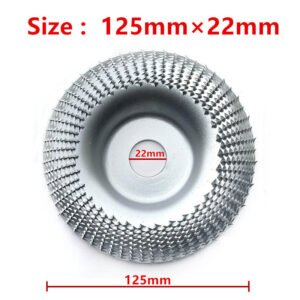
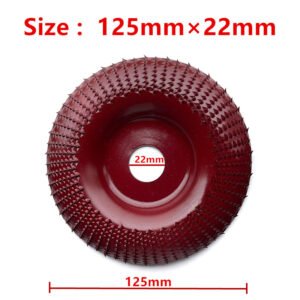
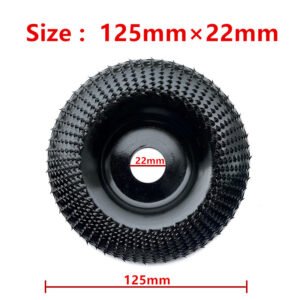
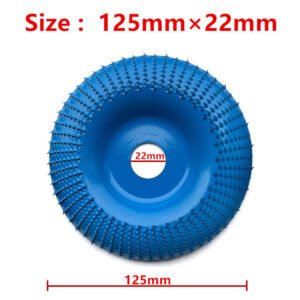
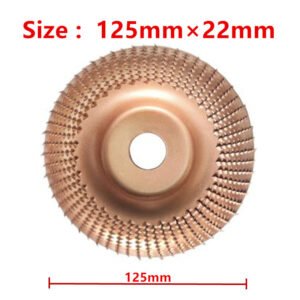

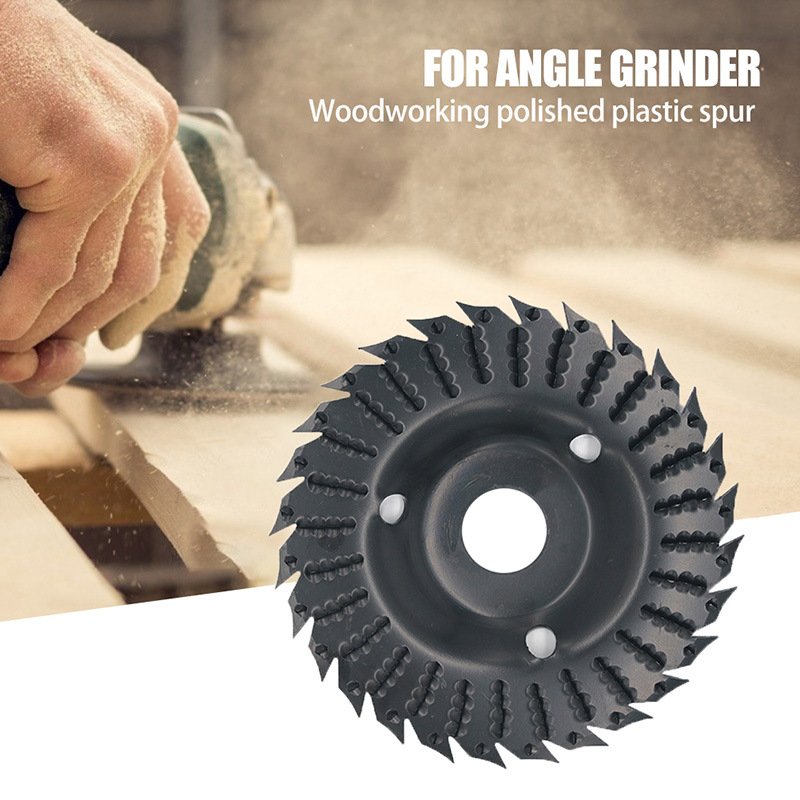
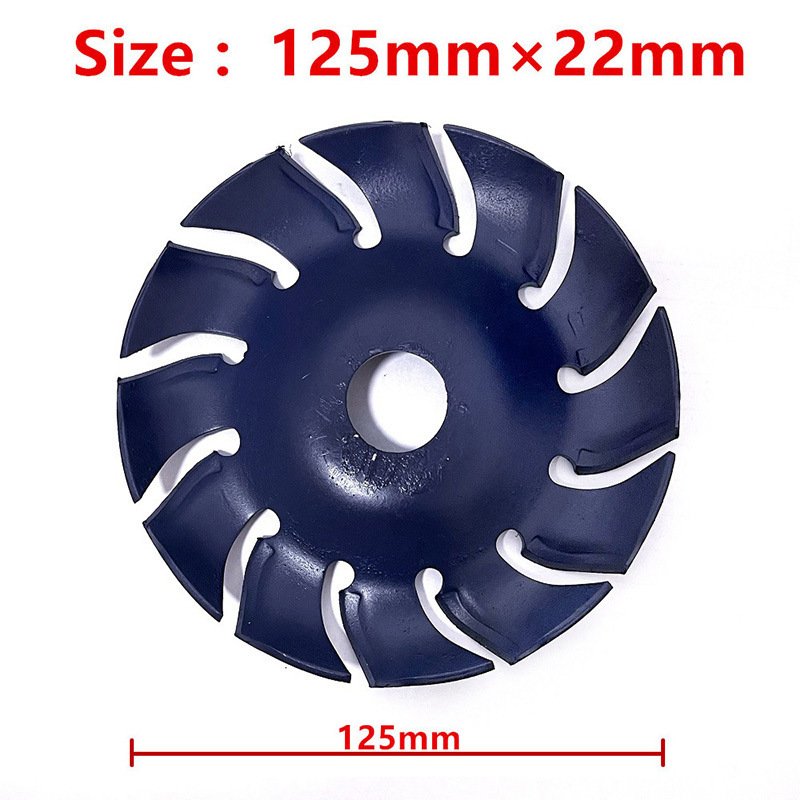
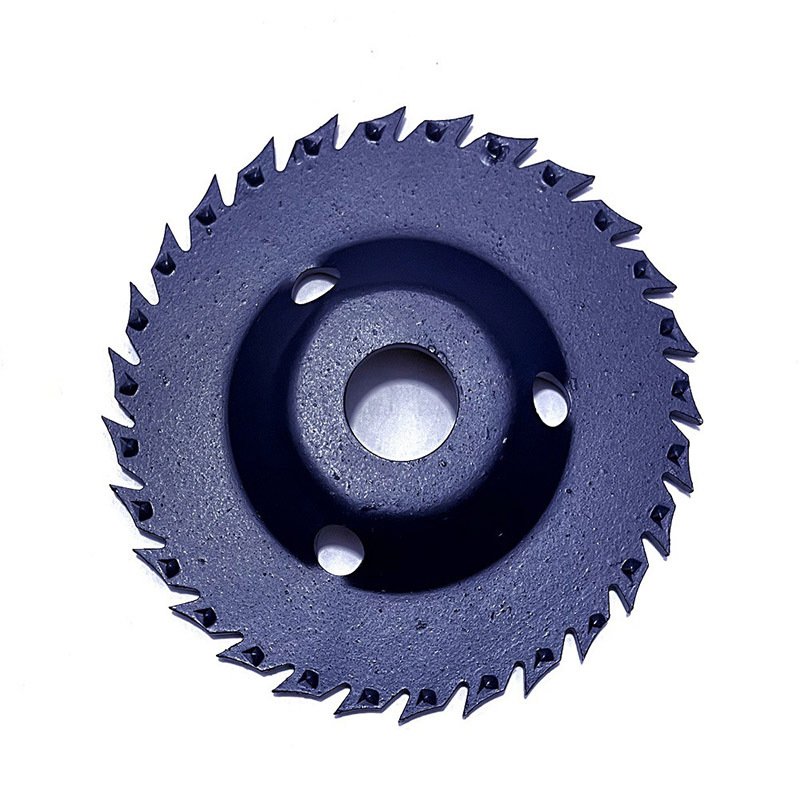
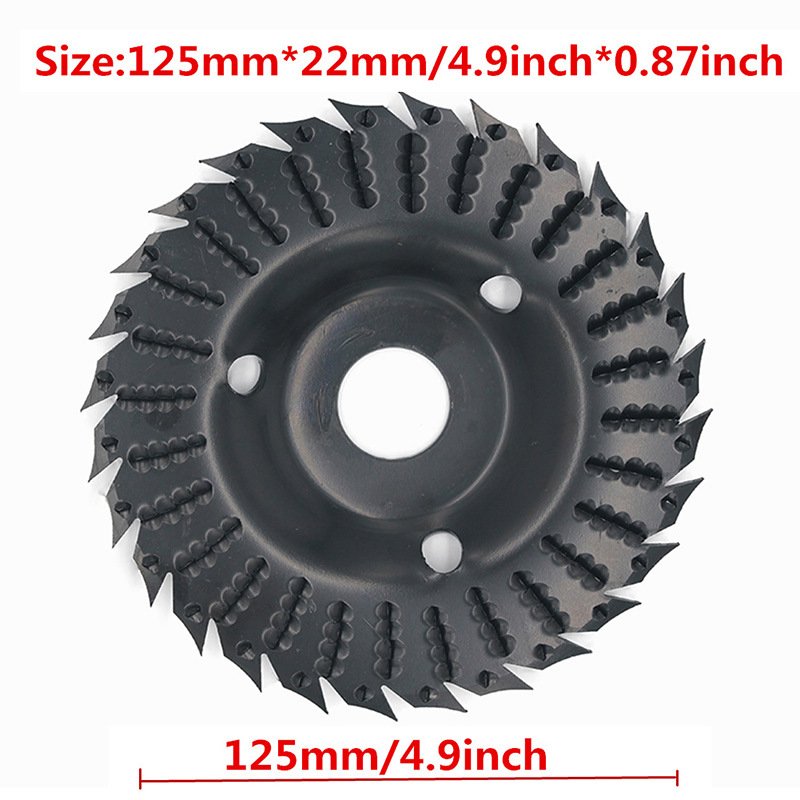
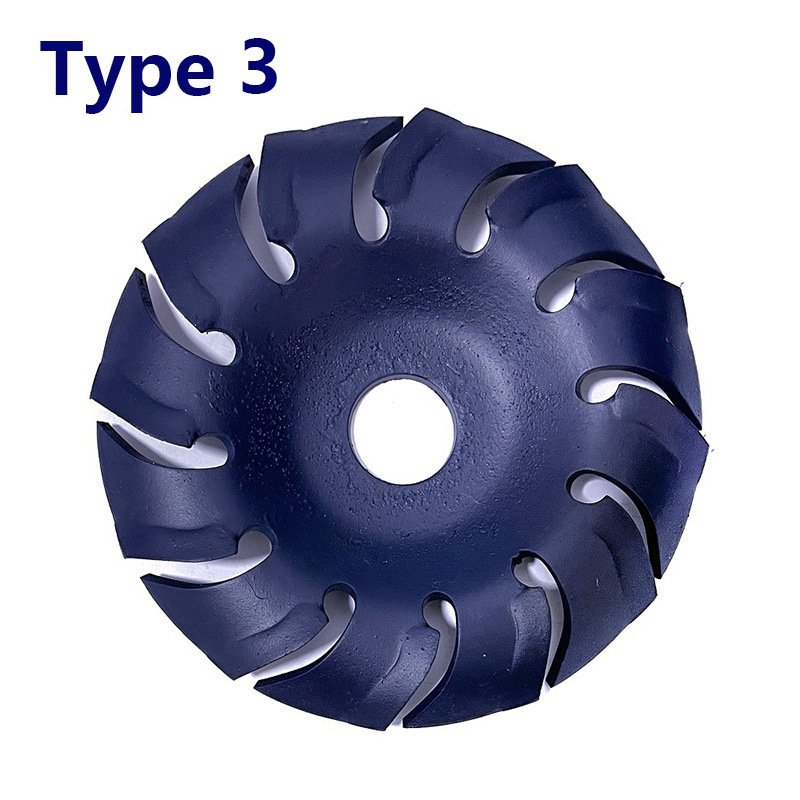
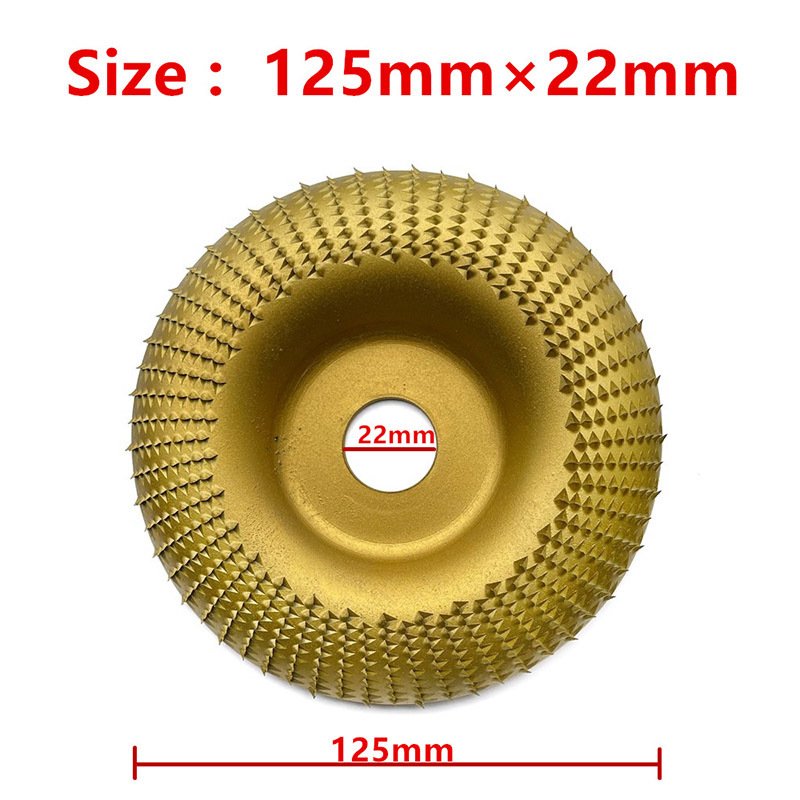
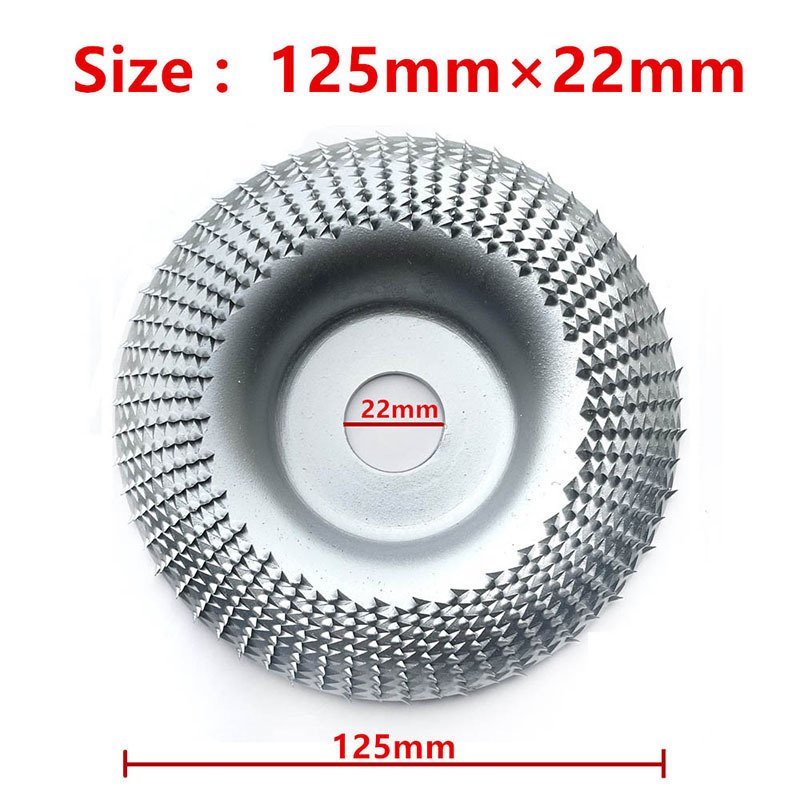
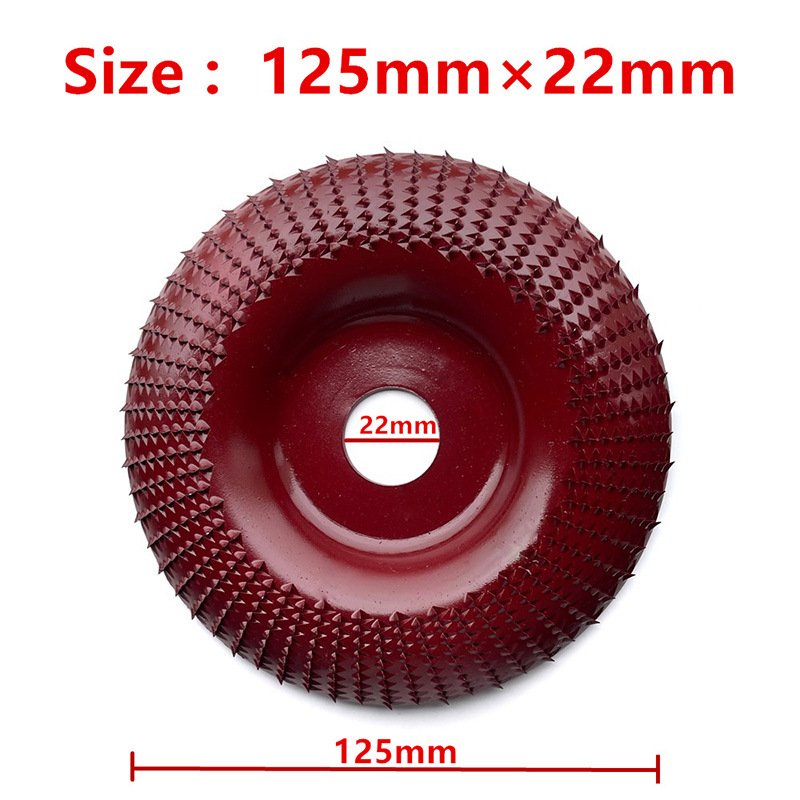
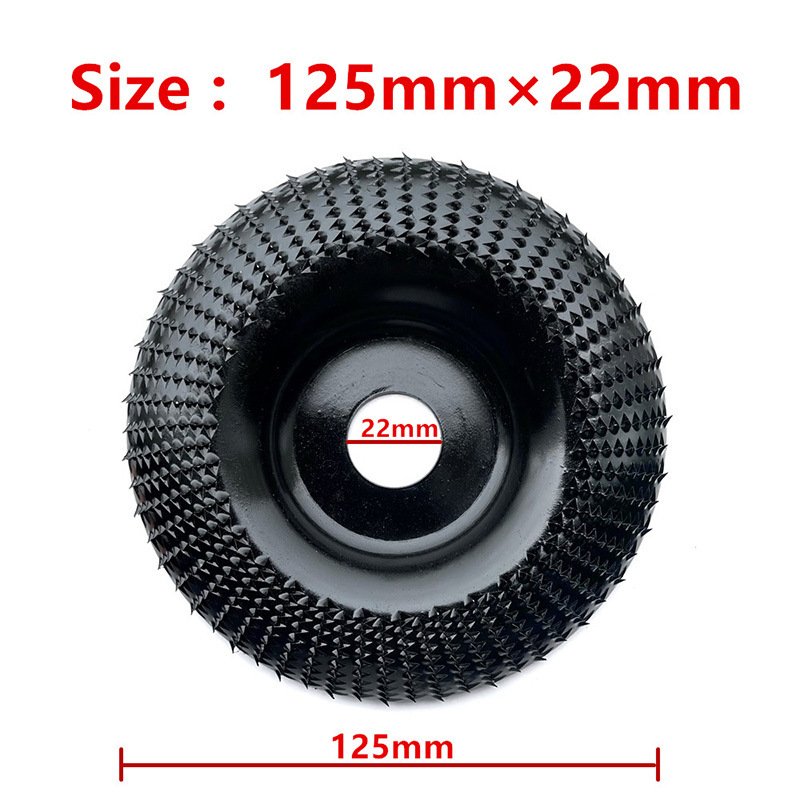
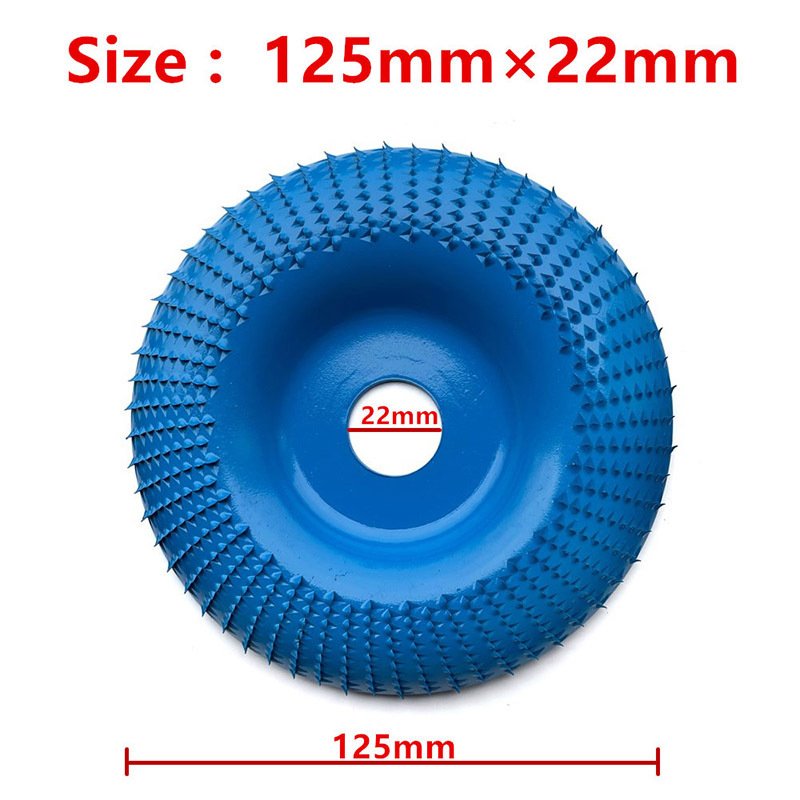
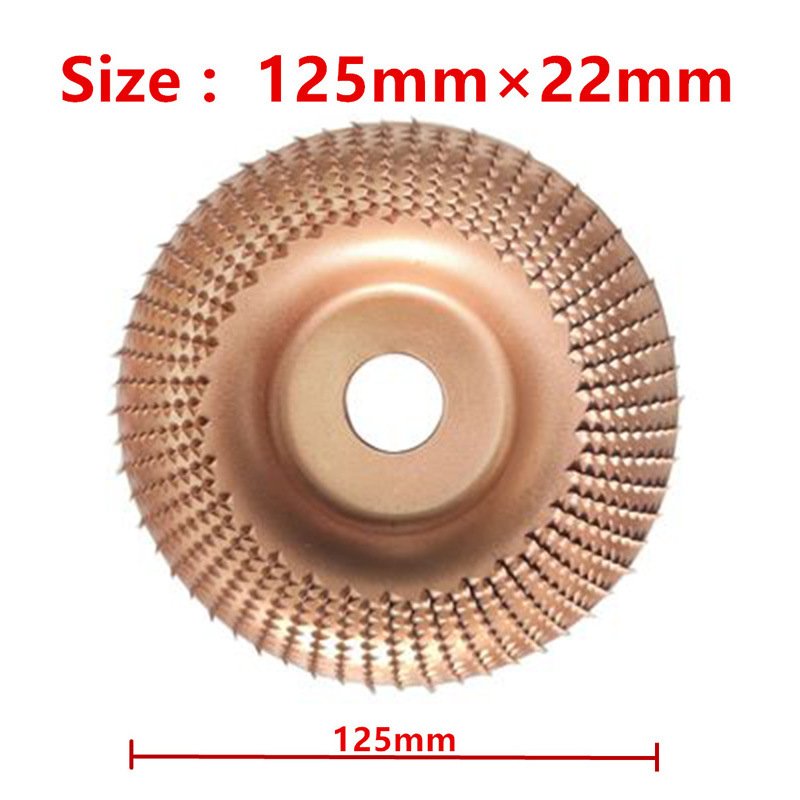
Premium Tungsten Carbide Wood Shaping Disc | Angle Grinder Carving Wheel | FixPartHub
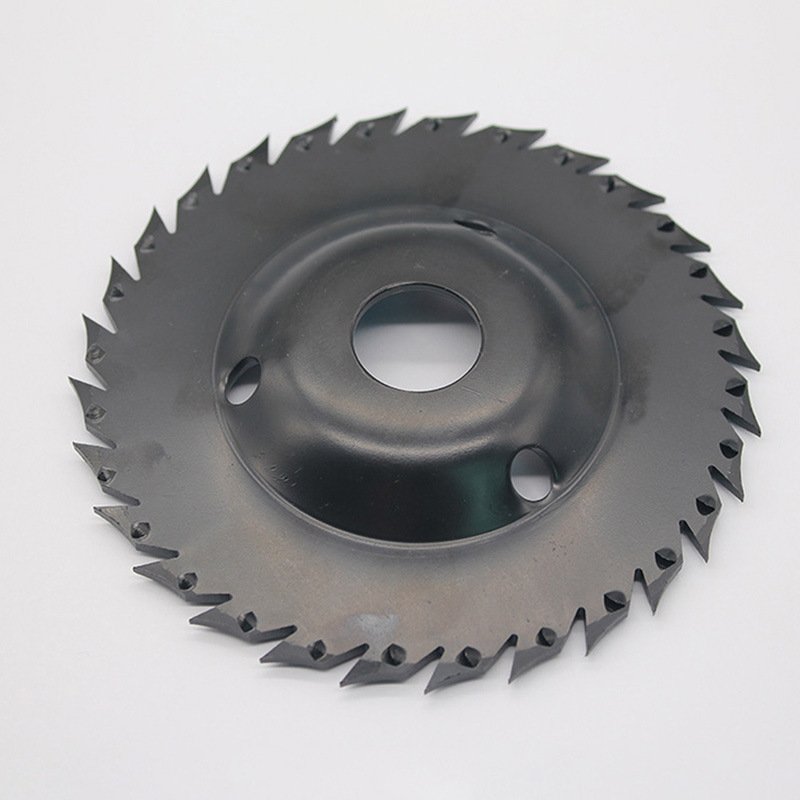
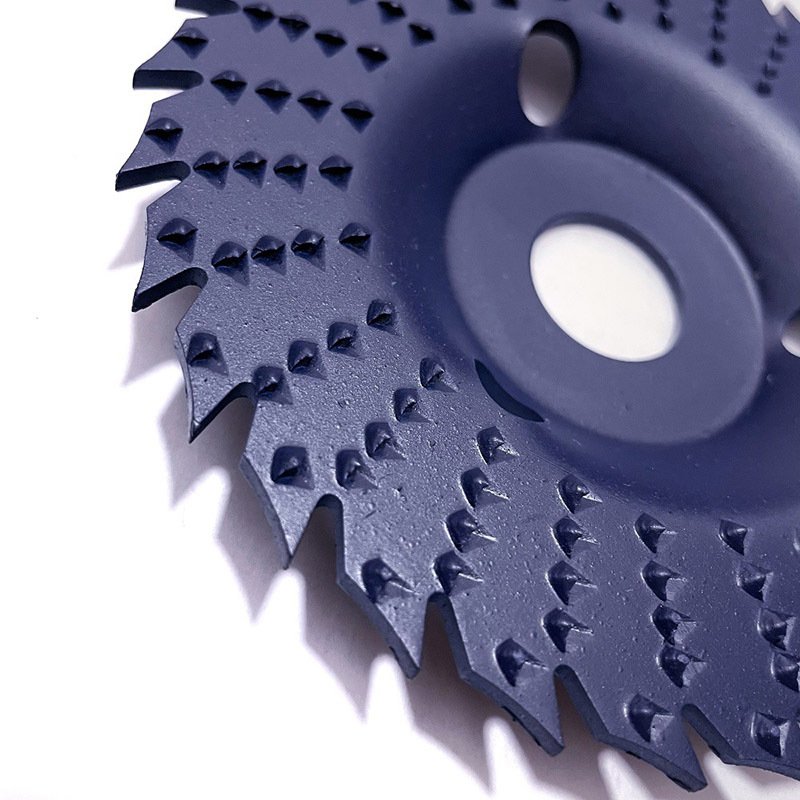
- 🔥 Rapid Material Removal: Engineered with hundreds of extremely sharp tungsten carbide teeth that rapidly shave away wood fibers, outlasting hundreds of standard sandpaper flap discs.
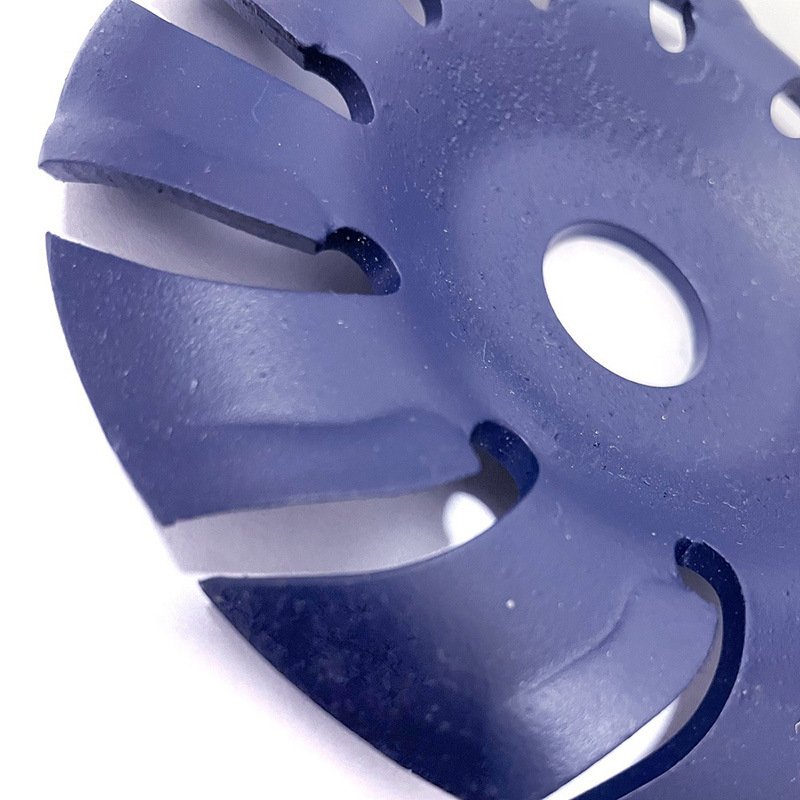
- 📐 9 Optimized Profiles: Available in 9 distinct variants—including flat profiles for surface leveling, beveled edges for chamfering, and deep-curve profiles for freehand bowl hollowing and sculptural contouring.
- ⚙️ Universal Grinder Fitment: Features a standard 7/8-inch (22mm) arbor bore, perfectly designed to drop onto standard 4-inch, 4.5-inch, and 5-inch professional angle grinders without the need for specialized adapters.
- 🛡️ Anti-Kickback Architecture: Unlike dangerous chainsaw-style carving blades that violently grab the wood, this rasp-style matrix provides smooth, predictable shaving with significantly reduced torque kickback.
- 🪵 Zero-Loading Design: The calculated spacing between the carbide teeth allows for massive wood chip evacuation, preventing the disc from loading, burning, or smearing resin into your workpiece.
| Buy More, Save More | Quantity | Discount |
|---|---|---|
| Bulk Discount | 2 | 5% |
| Bulk Discount | 3 – 5 | 10% |
| Bulk Discount | 6 – 19 | 15% |