
When you are tearing up a 6-inch concrete slab or driving ground rods through dense clay, the Bosch 11kg platform—specifically the GSH 11E breaker and the GBH 11DE SDS-max hammer—is an absolute workhorse.
But even the toughest German-engineered gear has a breaking point. You are pushing the tool hard on a continuous run. Suddenly, the RPMs drop. You smell a sharp, acrid odor resembling burnt ozone and melting plastic. You look down at the motor vents and see a continuous, bright circular spark wrapping entirely around the commutator.
Mechanics call this the “Ring of Fire.” When you see this, your tool isn’t just tired; the heart of the motor—the armature rotor—has failed. Today, we are breaking down the exact thermal and mechanical reasons why this happens, why the “cheap fix” never works, and how to execute a professional bench rebuild using a High-Performance Armature Rotor Set.
The Anatomy of an 11kg Motor Failure
The armature is the spinning central shaft of the motor, wrapped in heavy copper wire and capped with a segmented copper cylinder called the commutator. Carbon brushes press against this commutator to deliver the electrical current that makes the tool spin and hammer.
In heavy demolition hammers, armatures usually fail for one of two reasons:
- Thermal Overload (The Wire Melt): Smashing concrete creates immense reverse torque. If you lean on the tool too hard for too long, the copper windings overheat. Eventually, the protective lacquer melts, causing the wires to short out against each other. The tool loses torque instantly.
- Bearing Collapse (The Stator Strike): The rotor spins at incredibly high speeds suspended by two bearings. If fine silica dust bypasses the seals and destroys the rear bearing, the rotor shaft develops “play.” The spinning armature will wobble and physically strike the outer stator (the stationary magnetic ring), instantly destroying both components.
The “New Brushes” Trap
When guys see heavy sparking, their first instinct is to order a $15 set of carbon brushes. If your tool has the “Ring of Fire,” new brushes will be destroyed within 60 seconds.
Heavy sparking means the copper bars on the commutator have overheated, warped, or pitted. The surface is no longer a perfect, smooth cylinder; it acts like a cheese grater. When you install new carbon brushes against a destroyed commutator, the rough copper simply shreds the new carbon into dust, creating more friction, more heat, and more sparks.
To permanently fix the tool, you must replace the entire rotational core with a New Bosch-Compatible Armature Assembly.
The Bench Rebuild: Transplanting the Rotor
Rebuilding the motor on a Bosch GBH 11E or GSH 11E requires a clean workbench and basic hand tools.
- The Teardown: Remove the carbon brushes from the side ports first. Then, remove the rear motor cover and the Torx screws holding the motor housing to the main aluminum gearcase.
- Extract the Rotor: Carefully separate the plastic motor housing from the gearcase. The armature will usually stay lodged in the gearbox side. Gently pull it straight out.
- The Crucial Cleanup: Do not skip this step. Look inside the empty plastic motor housing. It will be coated in a thick layer of black carbon dust and metallic grit. Use an air compressor to blow this out completely. If you drop a new rotor into a dirty housing, the metallic dust will instantly short the new windings.
- Bearing Prep: If you purchased the Armature and Bearing Kit, press the new high-speed bearings onto the front and rear shafts of the new rotor. Ensure they are seated fully.
- Reassembly: Slide the new armature assembly back into the gearcase, ensuring the pinion gear meshes smoothly. Reattach the motor housing, taking care not to pinch any internal wiring.
- Seat the Brushes: Install your new carbon brushes. Give the tool a few manual spins by hand to ensure nothing is binding, then plug it in and test.
🛑 Professional Risk Management Disclaimer
Working on heavy-duty 110V/220V power tools carries a significant risk of electric shock. Always physically verify the power cord is completely unplugged before opening the motor casing. Silica dust and carbon buildup inside the motor housing are severe respiratory hazards; always wear a NIOSH-approved respirator and safety glasses when using compressed air to clean the stator. FixPartHub assumes no liability for injury or equipment damage resulting from improper repair procedures.
Keep Your Heavy Hitters out of the Landfill
A burnt motor doesn’t mean your $600 demolition hammer is dead. The aluminum gearbox, the piston mechanism, and the housing are built to last a lifetime. Order the complete replacement armature set, spend an hour on the workbench, and get your breaker back in the trench.
🛒 Order the Genuine-Spec Bosch GBH 11E / GSH 11E Armature Rotor Set Here!
🤝 Turn Your Repair Knowledge into Cash
Are you the guy on the job site who fixes everyone’s broken equipment? Stop doing it for free. Join the FixPartHub Tech Partner Program. Whenever you diagnose a burnt motor and send your crewmates your custom affiliate link to buy the replacement armature, you earn a 10% cash commission on the sale.
👉 Click here to grab your Affiliate Link and start earning today!
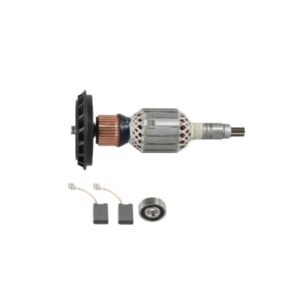
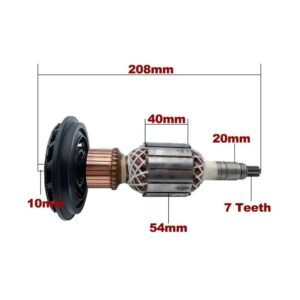
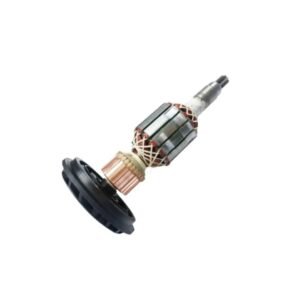
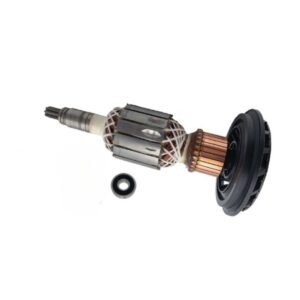
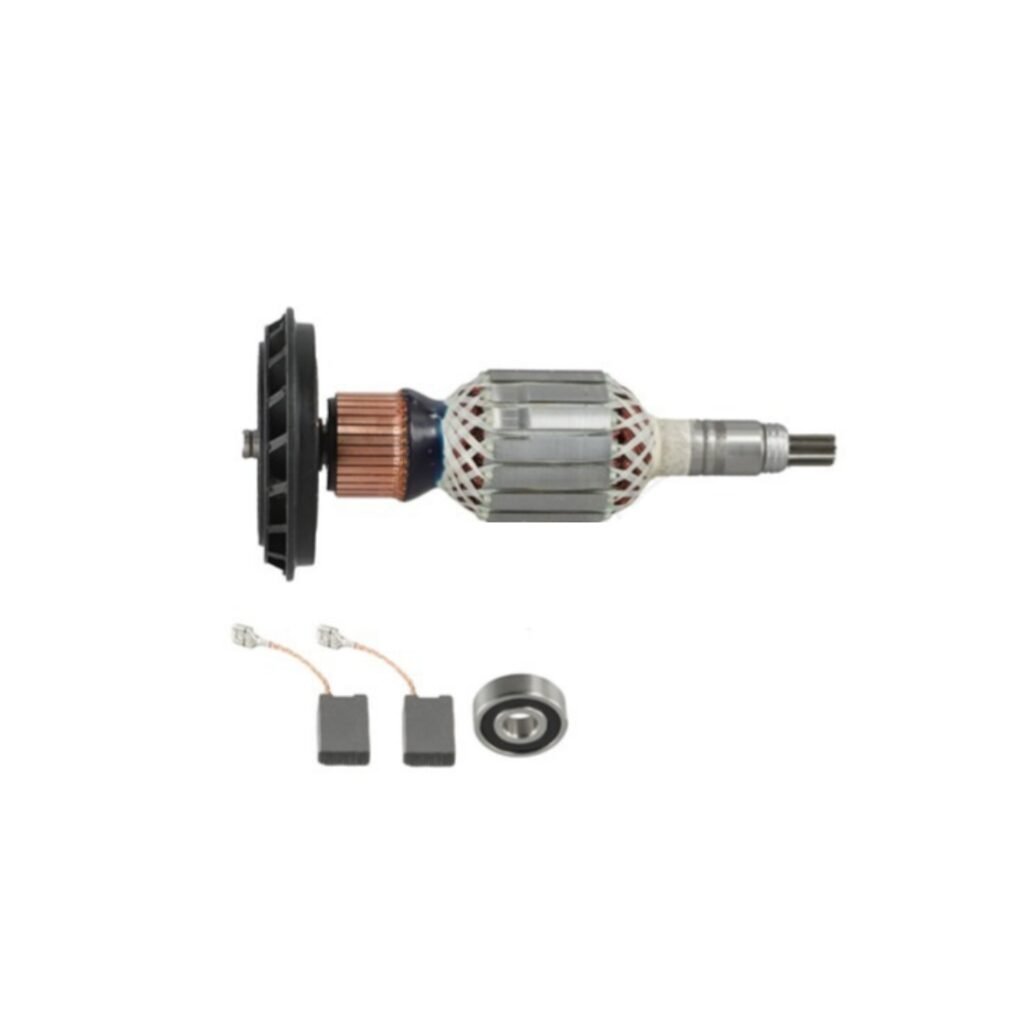
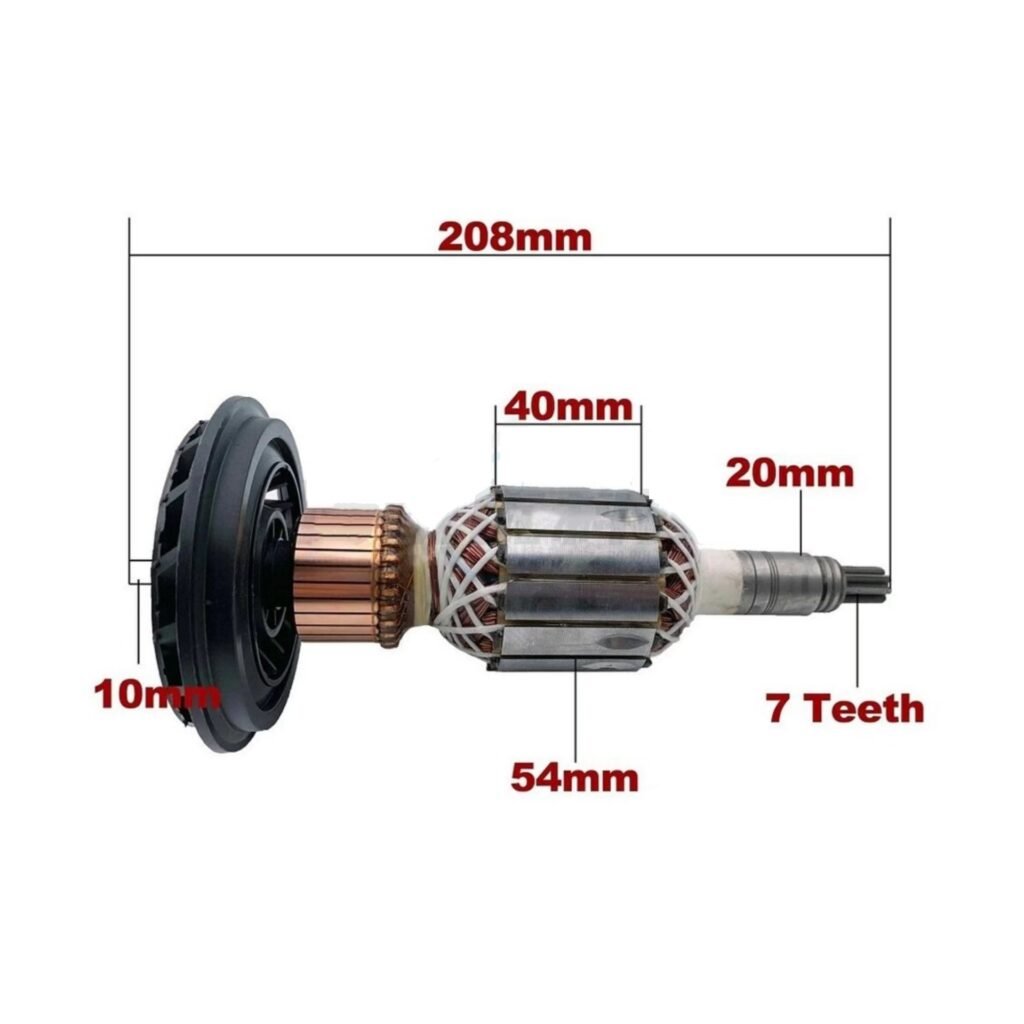
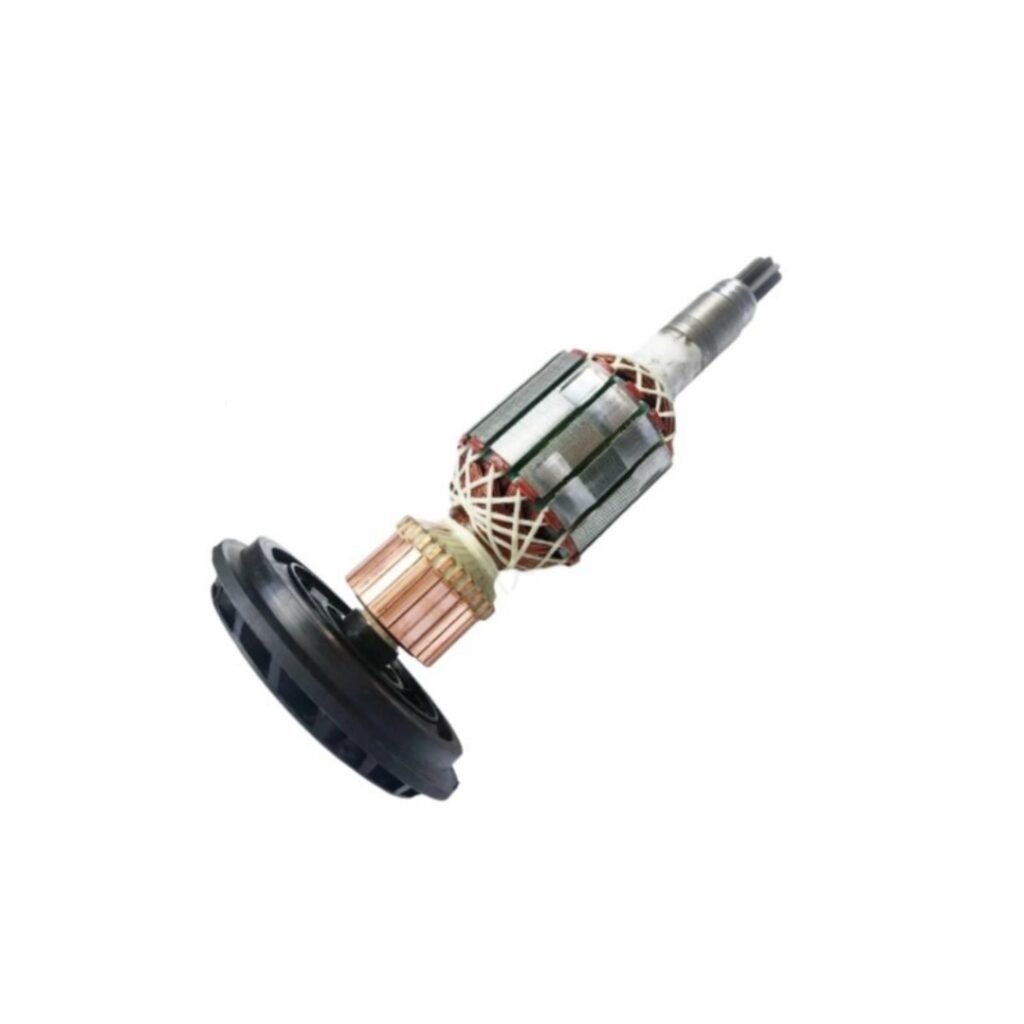
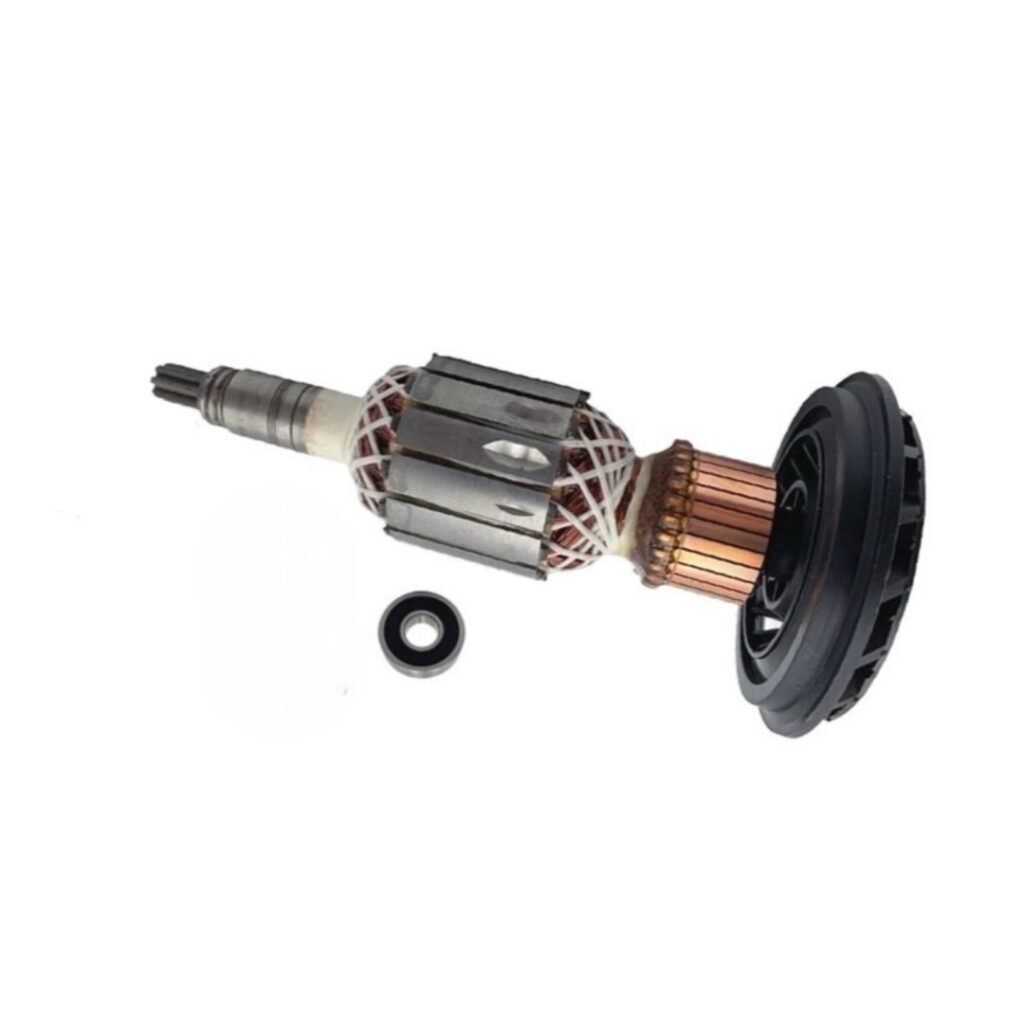
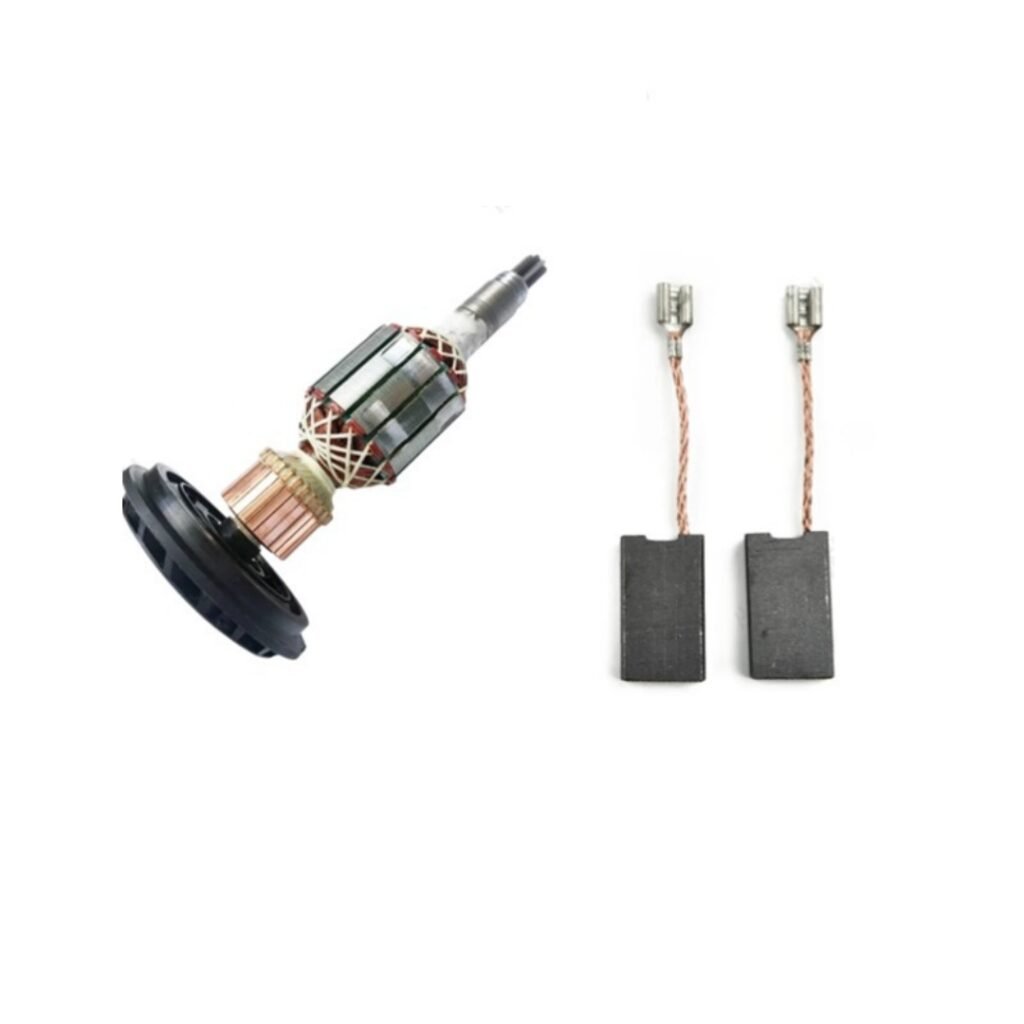
Premium Armature Rotor & Brush Kit Compatible with Bosch GBH 11 DE / GSH 11 E | FixPartHub
- Resurrect Your Concrete Buster: The 11kg demolition hammers are legendary for their breaking power. When pushing through reinforced concrete causes the motor to overheat, smoke, and shoot a ring of fire from the vents, the armature is fried. This premium rebuild kit restores the raw, heavy-duty impact power your jobsite demands.
- Mandatory Commutator Protection (Brushes Included): Never install a brand-new armature using old carbon brushes! Old brushes carry the scarred patterns of the burnt rotor and will instantly destroy the fresh copper commutator of your new part. We include a set of premium auto-stop carbon brushes to guarantee a flawless, spark-free break-in.
- Extreme High-Temp Durability: Engineered to strict factory-grade specifications. The rotor is wound with ultra-high-purity copper and coated in premium heat-resistant enamel resin to withstand the grueling thermal loads of continuous concrete chiseling and core drilling.
- Precision Dynamic Balancing: An unbalanced rotor in an 11kg hammer will vibrate violently, quickly tearing apart your internal gearbox and bearings. Our armatures undergo rigorous computerized dynamic balancing to ensure smooth, high-RPM rotation and extended tool longevity.
- FixPartHub Professional Standard: Save hundreds of dollars by rebuilding your heavy equipment. Pro Tip: While the motor is open, check your rear armature bearing and rubber boot for wear! Need heavy-duty SDS-Max chisels or internal gearbox O-ring kits? Browse our unlisted commercial tool catalog!
| Buy More, Save More | Quantity | Discount |
|---|---|---|
| Bulk Discount | 2 | 5% |
| Bulk Discount | 3 – 5 | 10% |
| Bulk Discount | 6 – 19 | 15% |