
You are up on a ladder, ready to drive a heavy lag bolt. You line up the bit, squeeze the trigger on your trusty Makita DHP458, and expect the familiar, aggressive whine of the 18V motor. Instead… dead silence. The LED light might flicker, but the chuck refuses to spin. Your heavy-duty drill has just become a heavy-duty paperweight.
When a professional-grade drill like the Makita DHP458, DDF458, or BHP458 suddenly stops working, the instinct is to panic. You might assume the motor is fried or the battery board is completely dead. Dealerships will happily tell you that it’s time to upgrade to the newest model.
Here is the reality from the repair bench: Your motor is probably perfectly fine. Power tools used in harsh environments inhale massive amounts of drywall dust, sawdust, and microscopic metal shavings. Over time, this debris packs into the primary power gate of your tool-the trigger switch. When the internal contacts foul up, the drill dies. The fix isn’t a new $150 bare tool; it is a simple, 15-minute heart transplant using the 650724-4 Trigger Switch Assembly.
Workbench Diagnosis: Is It the Trigger or the Motor?
Before ordering replacement parts, let’s verify that the 650724-4 switch is actually your culprit. Look for these classic symptoms of a failing switch:
- The “All or Nothing” Syndrome: You squeeze the trigger slightly, but the drill doesn’t slowly ramp up. It only engages when the trigger is pulled 100% to the maximum, jerking violently. Your variable speed module is destroyed.
- The Intermittent Stutter: The drill cuts in and out while you are holding the trigger steady. If you wiggle the trigger and it temporarily comes back to life, the internal copper contacts are heavily oxidized or worn.
- The Mushy Reverse: The forward/reverse shuttle feels jammed, sticky, or fails to lock the trigger in the safety position.
The 15-Minute Switch Swap Protocol
Replacing the 650724-4 (which also replaces part number 650602-4) is a straightforward process that anyone can do on their workbench. You just need a Phillips screwdriver and a bit of patience.
Open the Chassis: Remove the 18V LXT battery. Back out all the casing screws and carefully lift the top half of the clamshell housing. Pro-tip: Take a clear picture of the wire routing with your phone right now.
Extract the Old Brain: Lift the old trigger switch assembly out of its slot. Disconnect the wire leads running from the battery terminal and the motor. They are usually held in by simple slide-on spade connectors or screw clamps.
Wire the New Switch: Take your new 650724-4 switch. Reconnect the wires exactly as they were in your reference photo. Ensure the forward/reverse shuttle lever is seated correctly into the top of the switch.
Seal and Test: Route the wires back into their specific channels (crucial so you don’t pinch a wire when closing the case). Place the top cover back on, secure the screws, pop the battery in, and test your smooth variable speed.
⚠️ Wire Pinch Warning:
The number one mistake during reassembly is pinching a wire between the two plastic halves of the drill casing. If the case does not snap shut easily, do not force it. Open it up and tuck the wires deeper into their designated plastic channels.
Refuse the Throwaway Culture
Your heavy-duty Makita was engineered to build houses and tear down metal frames. It was not meant to be thrown away because a piece of plastic and copper got dusty.
If your DHP458 or DDF458 is suffering from a dead trigger, grab a premium aftermarket 650724-4 Trigger Switch Assembly directly from the FixPartHub workbench. Swap the part, save a hundred bucks, and get right back on the job site today.
Yes. If your drill has lost its “variable speed” capability (meaning it jerks to 100% full speed the moment you barely touch the trigger), the internal variable speed module inside the trigger switch is burned out. Replacing the entire switch assembly is the only fix.
In most Makita models like the DHP458 and DDF458, the trigger switch uses slide-on spade connectors and screw-down terminals for the main wires. Heavy soldering is rarely required, making it a very accessible DIY repair.
Yes. The 650724-4 is an updated, direct replacement and is fully backwards compatible with models that originally shipped with the 650602-4 trigger switch.
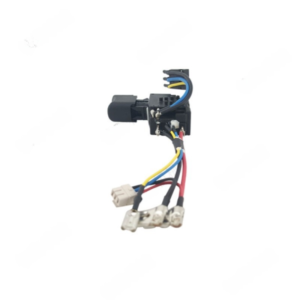
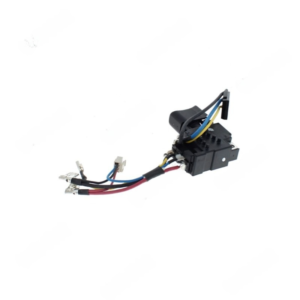
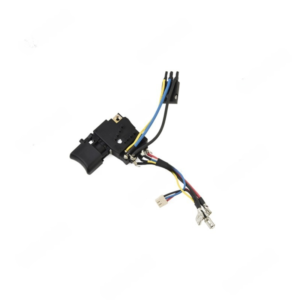
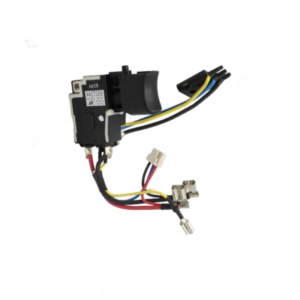
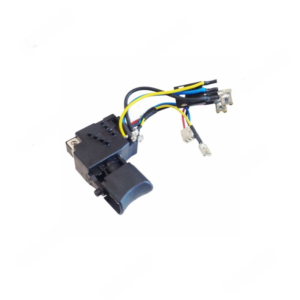
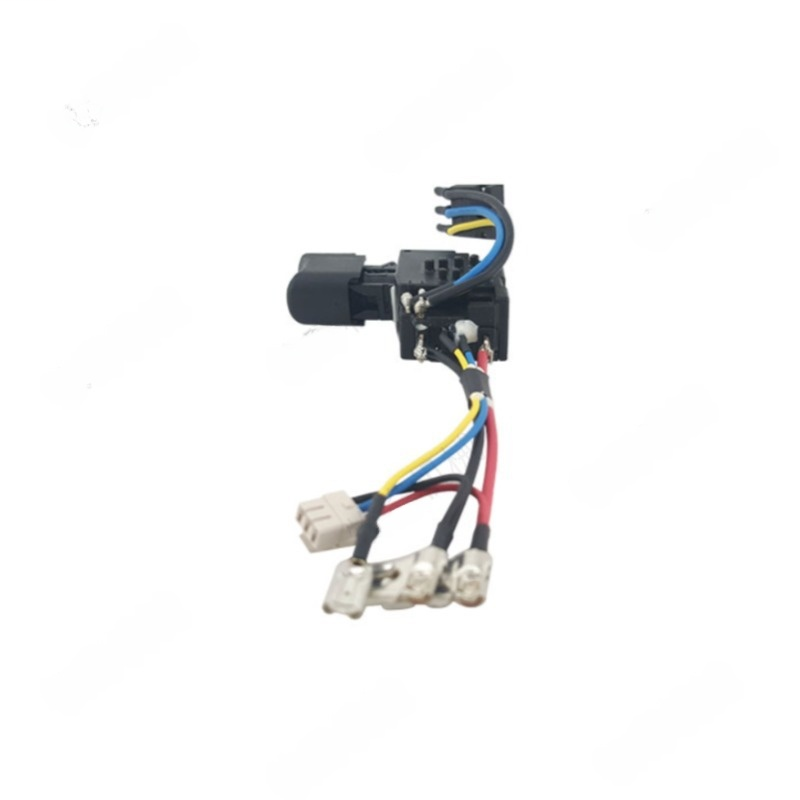
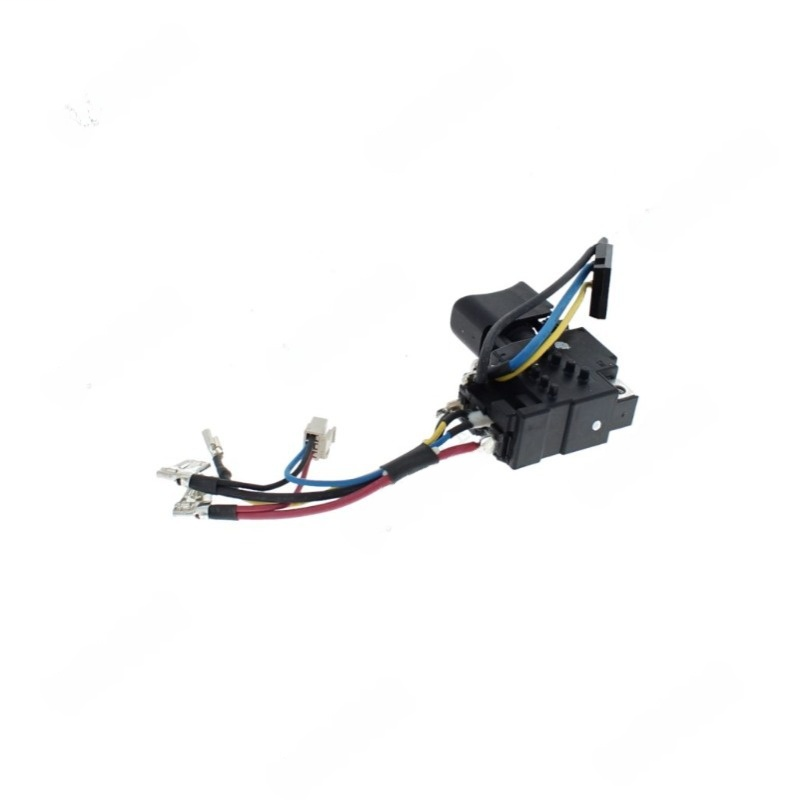
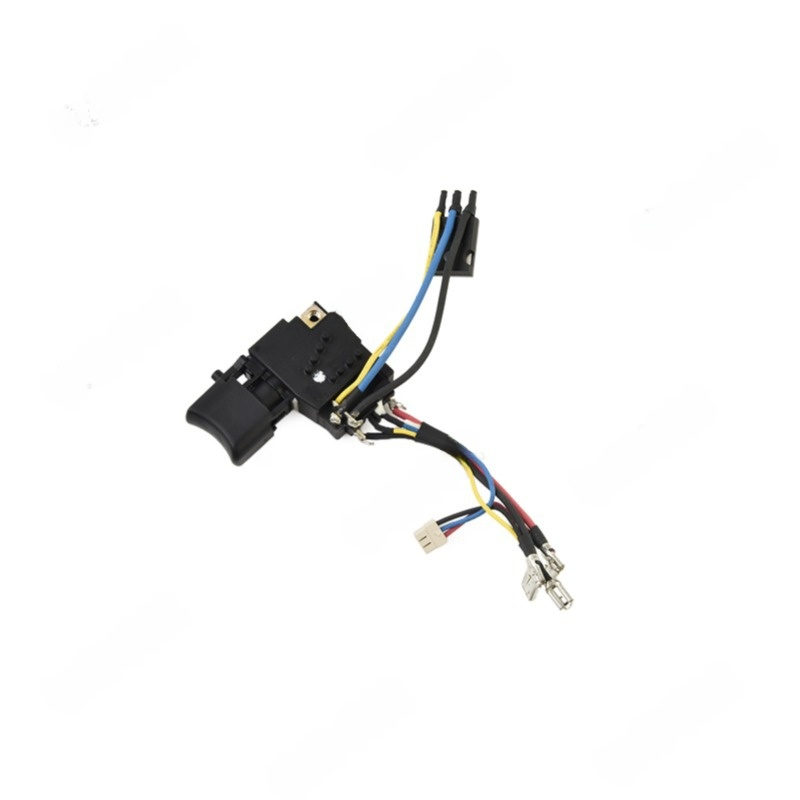
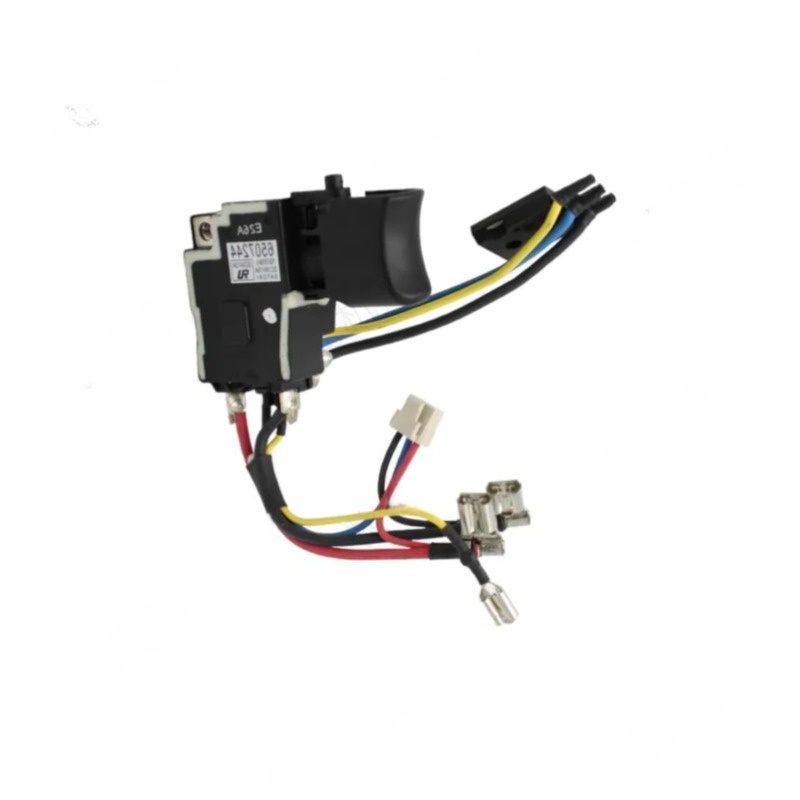
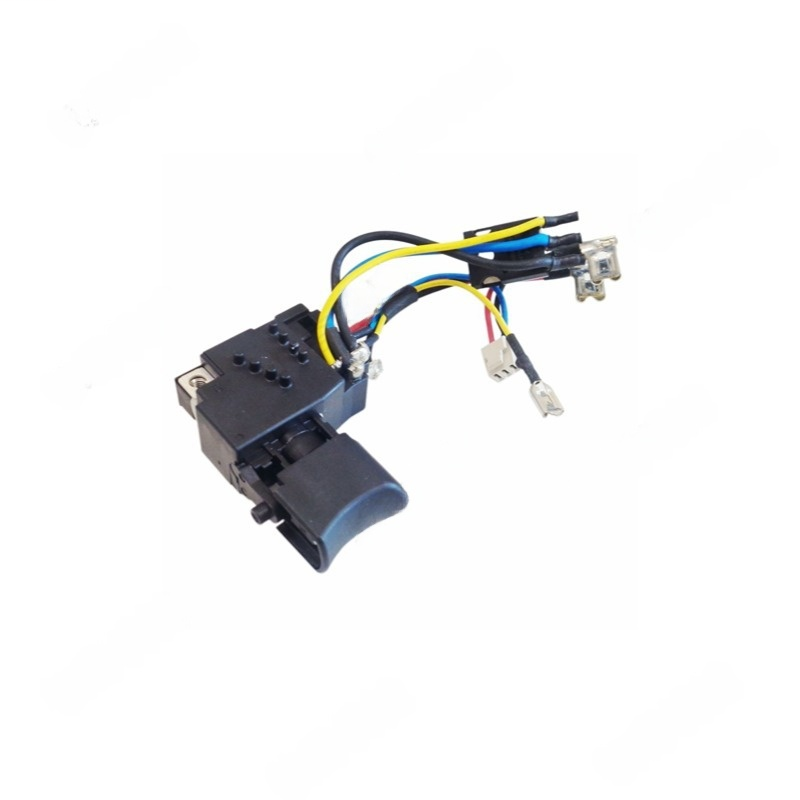
Aftermarket VSR Trigger Switch Compatible with DHP458 & DDF458 (Replaces 650724-4, 650682-4) | FixPartHub
- Restore Heavy-Duty Power: The DHP458 is a beast of a drill, but heavy masonry work can fry its electrical contacts. This aftermarket VSR (Variable Speed Reversible) switch instantly restores the raw power and feather-touch throttle control your tool was built for.
- Exact OEM Cross-Reference: Precision-engineered as a direct drop-in replacement for original factory part numbers 650724-4 and the older 650682-4. Fits perfectly inside the clamshell housing.
- Flagship 18V Compatibility: Specifically designed for the high-torque 18V LXT series, guaranteeing a flawless electrical match for your DHP458 Combi Drill and DDF458 Drill Driver.
- Upgraded Heat Resistance: Driving long lag screws draws massive DC amperage. This switch is built with premium internal copper contacts designed to dissipate heat quickly, reducing the risk of a melted trigger block.
- The 15-Minute Rebuild: Don’t pay a repair shop $100 for a simple electrical swap. Replace the switch yourself, save your bare tool from the dumpster, and get right back to the job site.
| Buy More, Save More | Quantity | Discount |
|---|---|---|
| Bulk Discount | 2 | 5% |
| Bulk Discount | 3 – 5 | 10% |
| Bulk Discount | 6 – 19 | 15% |