
It is the busiest day of the week in the shop. You have a seized lug nut or a rusted suspension bolt that refuses to budge. You grab your trusted Makita TW0200 or TW0250 1/2-inch corded impact wrench—the heavy-hitter of the garage—and pull the trigger.
Nothing happens. No hum, no click, no rotation. The tool is completely dead. Alternatively, the tool might run, but the forward/reverse toggle lever is physically jammed, leaving you permanently stuck in one direction.
Before you throw a $200 professional power tool into the scrap bin, take a breath. A corded Makita impact wrench has a virtually bulletproof stator and gearbox. 90% of the time, a sudden “dead tool” symptom comes down to a single, easily replaceable failure point: The 650523-4 Trigger Switch Assembly.
Here is exactly why this switch fails, how to rule out the carbon brushes, and how to execute a 15-minute bench repair.
The Diagnostic Checklist: Brushes vs. The Switch
When a corded impact wrench dies, you need to isolate the electrical fault. Don’t buy parts blindly. Follow this quick diagnostic sequence:
- The Continuity Check: Wiggle the base of the thick rubber power cord where it enters the handle while holding the trigger. If the tool briefly stutters to life, you have a broken wire in the power cord, not a bad switch.
- The Carbon Brush Check: Unscrew the two black plastic caps on the sides of the motor housing and pull out the carbon brushes. If the carbon blocks are worn down to the copper braided wire, the motor cannot complete its circuit.
- The Switch Diagnosis: If the power cord is intact, and the carbon brushes are healthy and making firm contact with the commutator, your power loss is isolated to the handle. You have a burnt trigger switch.
Anatomy of a Switch Failure
Why does the trigger die? Corded impact wrenches draw massive electrical current (amperage) the exact millisecond the hammer strikes the internal anvil.
Every time you pull that trigger, the internal copper contacts snap together to pass 120V of mains power. Over years of heavy use, that massive current causes microscopic electrical arcing. The copper contacts burn, pit, and turn black with carbon buildup. Eventually, the carbon creates an insulating layer, and the electricity can no longer pass through to the motor.
Furthermore, tire shops and garages are full of airborne brake dust and atomized grease. This grit works its way through the trigger seams, packing into the mechanical springs and the forward/reverse linkage, causing the switch to feel “crunchy” or jam completely.
You cannot reliably clean a sealed, burnt switch. The only safe and effective repair is a complete drop-in replacement using the OEM Makita 650523-4 Switch Assembly.
The 15-Minute Bench Repair Guide
Repairing the handle on a TW0200 or TW0250 requires no soldering. It is a simple, plug-and-play operation.
- Unplug the Tool: Never attempt to open the casing of a 120V tool while it is connected to a wall outlet.
- Open the Handle: Remove the Phillips-head screws securing the right half of the plastic handle housing and carefully lift the shell away.
- Document the Wiring: Before you disconnect a single wire, pull out your phone and take a clear, brightly lit photo of the open handle. You need a visual record of exactly where the black and white wires route around the plastic screw posts.
- Swap the Assembly: Use needle-nose pliers to gently pull the spade connectors off the old, burnt trigger block. Slide the new 650523-4 assembly into the exact same mounting slots. Push the spade connectors firmly onto the new terminal tabs.
- The Wire Tuck (Critical Step): Route the wires exactly as they were in your photo. Do not let any wires cross over a plastic screw boss. If a wire is out of place, closing the handle will pinch and sever the wire, causing an immediate short circuit the moment you plug it in.
- Button it Up: Secure the handle screws, plug the tool in, and test both the variable speed pull and the directional toggle.
🛑 Professional Risk Management & Safety Disclaimer
Working with high-voltage corded tools carries severe risk of electric shock. Always physically verify the tool is unplugged before removing housing screws. Never attempt to bypass a faulty switch by hardwiring the stator directly to the power cord; doing so removes the tool’s emergency shutoff capability and creates a massive liability. Ensure all spade connectors are tightly crimped to prevent internal arcing. FixPartHub assumes no liability for injuries or equipment damage resulting from improper repair procedures.
Keep Your Heavy Hitters Running
The Makita TW0200 and TW0250 are legendary because they can be rebuilt indefinitely. Don’t let a burnt piece of plastic and copper force you to buy a new tool. Order the factory replacement switch, spend 15 minutes on the workbench, and get back to busting rusted bolts.
🛒 Order the Genuine Makita 650523-4 Trigger Switch Assembly Here!
🤝 Turn Your Garage Skills into Cash
Are you the technician who fixes all the broken tools in the shop? Stop doing it for free. Join the FixPartHub Tech Partner Program. Whenever you diagnose a dead tool and send a buddy your custom link to buy the replacement parts, you earn a 10% cash commission on the sale.
👉 Click here to grab your Affiliate Link and start monetizing your mechanical knowledge!
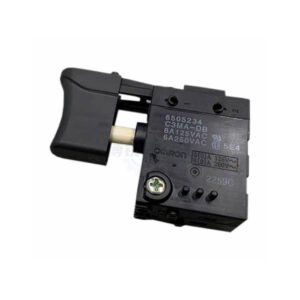
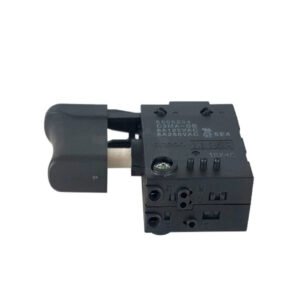
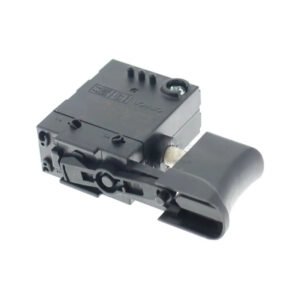
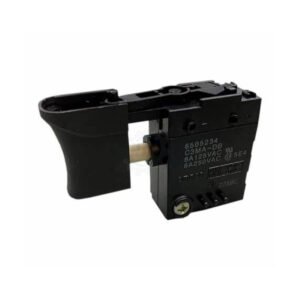
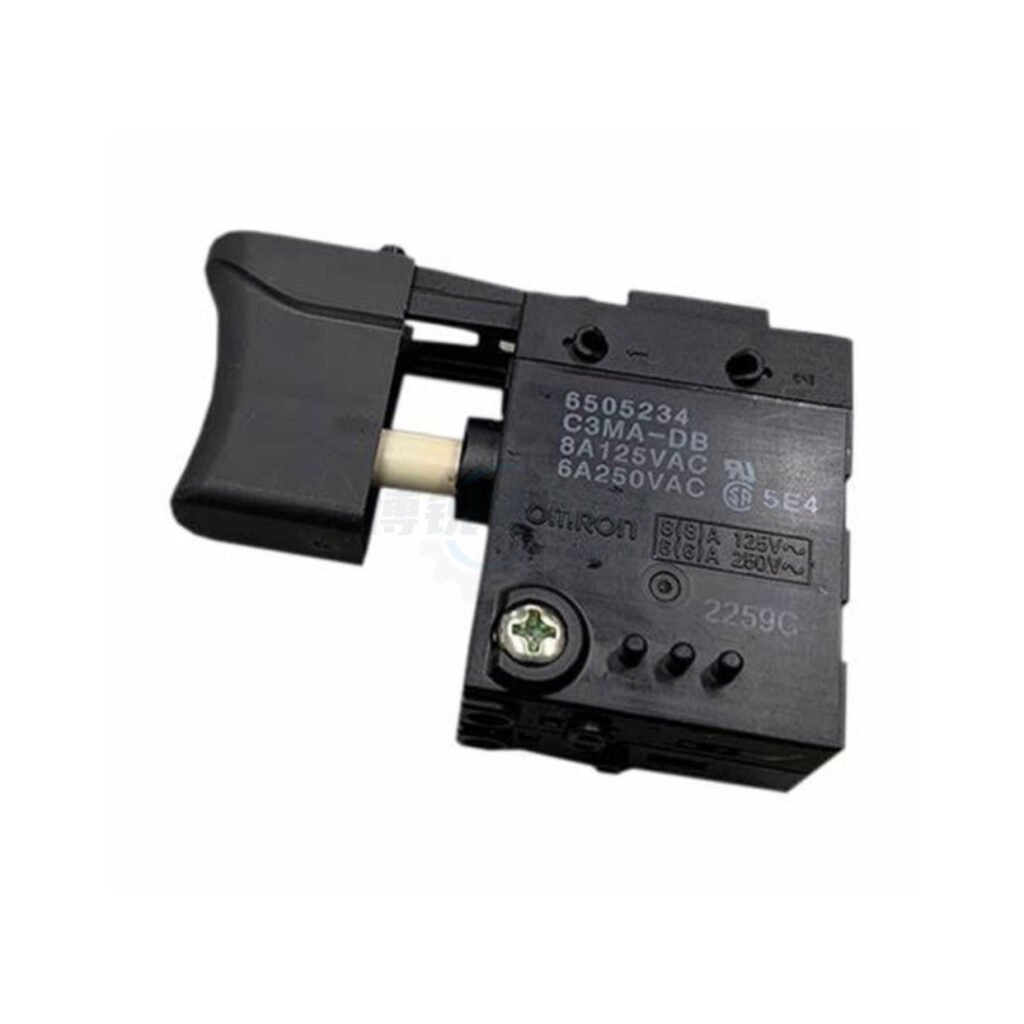
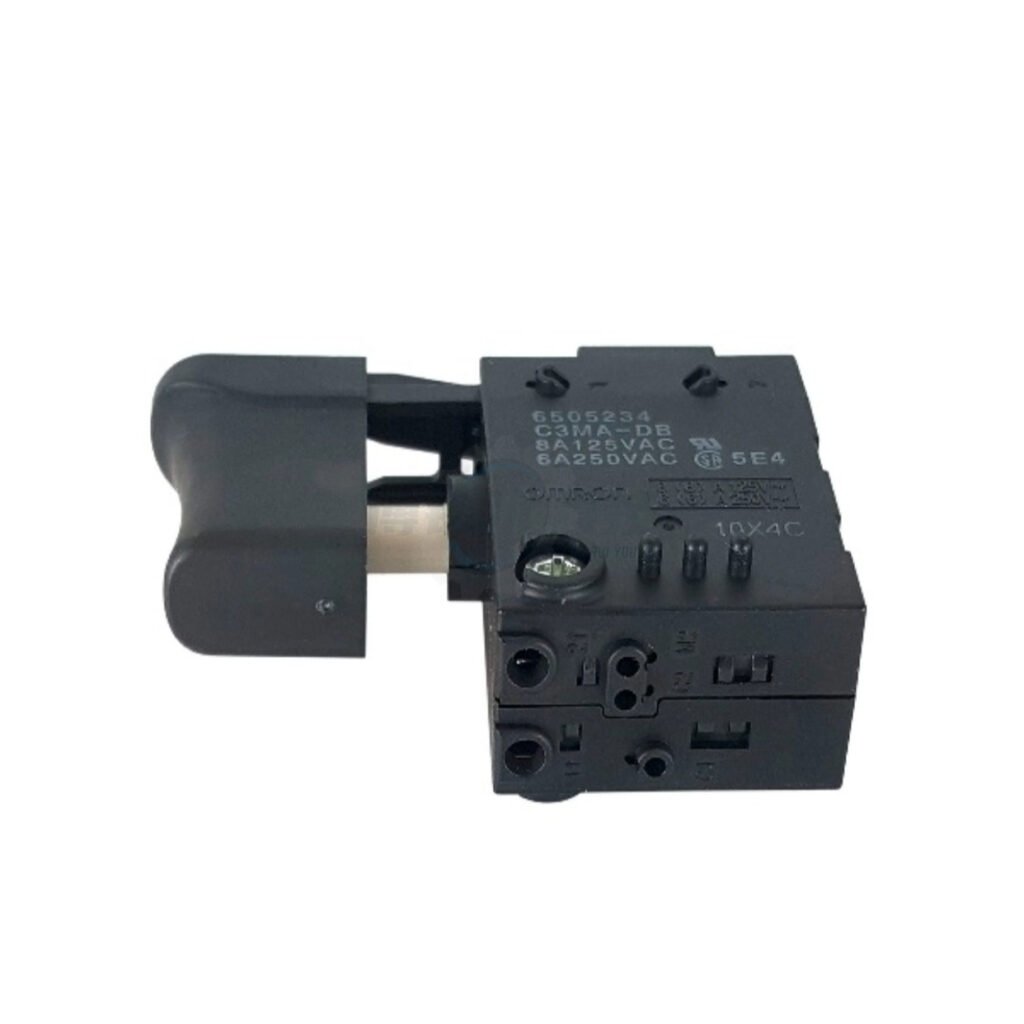
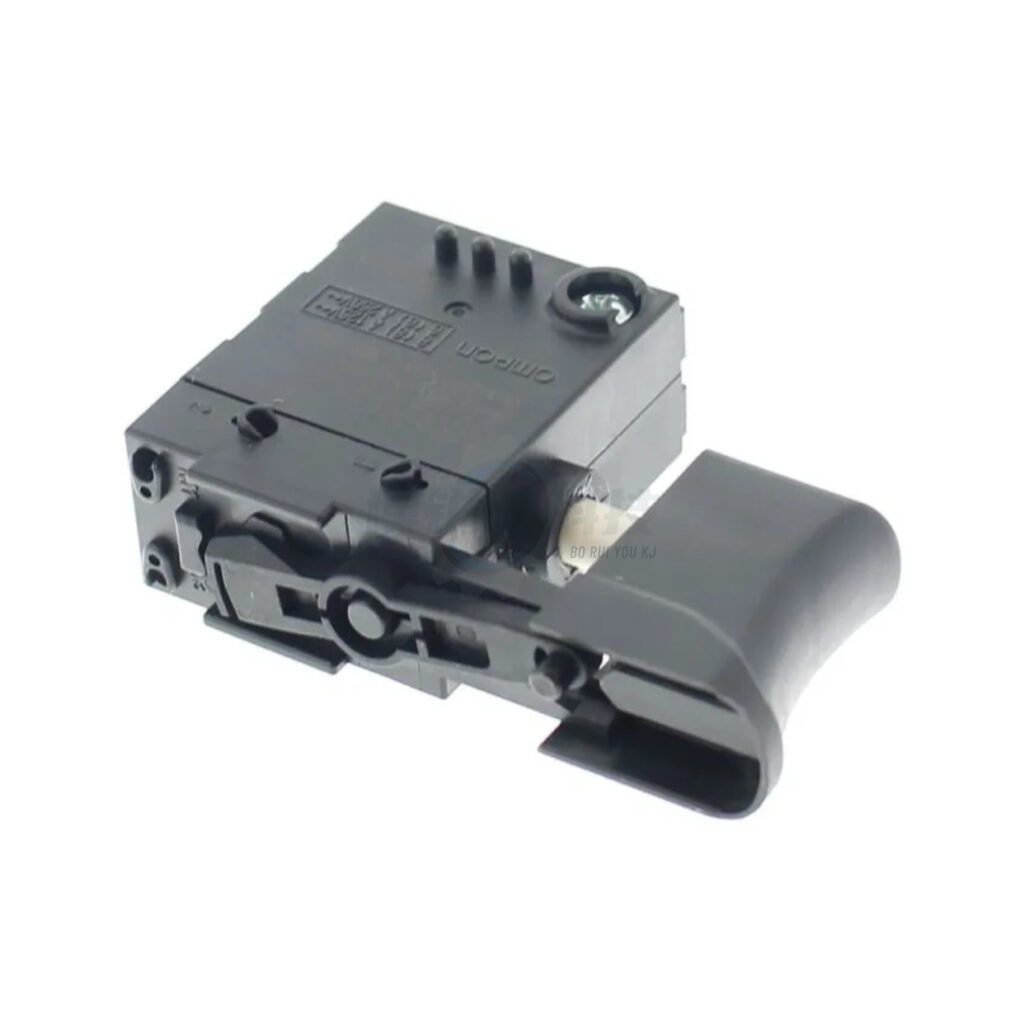
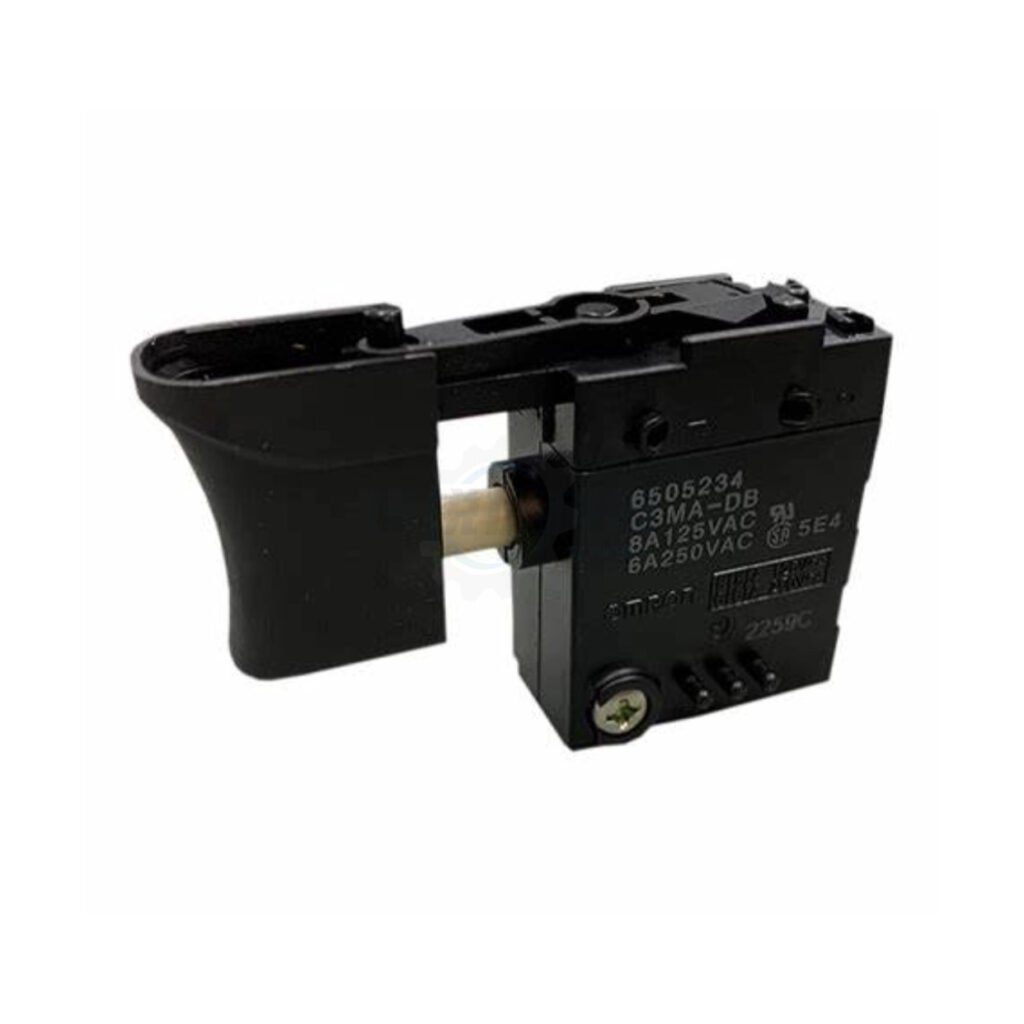
Premium Replacement Trigger Switch 650523-4 Compatible with Makita | FixPartHub
- Cure the “All-or-Nothing” Glitch: Does your impact driver only work at maximum speed, or perhaps it doesn’t respond at all when you pull the trigger? Fine dust and heavy amp draws eventually destroy the internal contacts of the switch. This brand-new assembly completely resolves these dead zones.
- Restore Precision Variable Control: Driving delicate cabinet screws requires a feather-light touch. This premium replacement restores the factory-calibrated variable speed curve, allowing you to seamlessly ramp up the RPMs from a slow crawl to full-throttle impact driving with pinpoint accuracy.
- Premium Factory-Grade Quality: Don’t trust your professional livelihood to cheap, generic knockoffs that melt under heavy loads. This is a precision-engineered replacement part, featuring heavy-duty internal copper contacts and integrated forward/reverse directional wiring designed for industrial use.
- Broad 18V LXT Compatibility: Designed as a direct drop-in replacement for a massive range of 18V cordless tools, including compatible models like the BTD141, BTD140, BTW251, LXDT04, and BDF452 series drills and impact drivers.
- FixPartHub Professional Standard: Save hundreds of dollars by swapping the switch instead of buying a bare tool. Pro Tip: Take a clear picture of the internal wire routing before you disconnect the old switch! Need replacement carbon brushes for your motor? Browse our catalog for premium CB-440 brush sets!
| Buy More, Save More | Quantity | Discount |
|---|---|---|
| Bulk Discount | 2 | 5% |
| Bulk Discount | 3 – 5 | 10% |
| Bulk Discount | 6 – 19 | 15% |