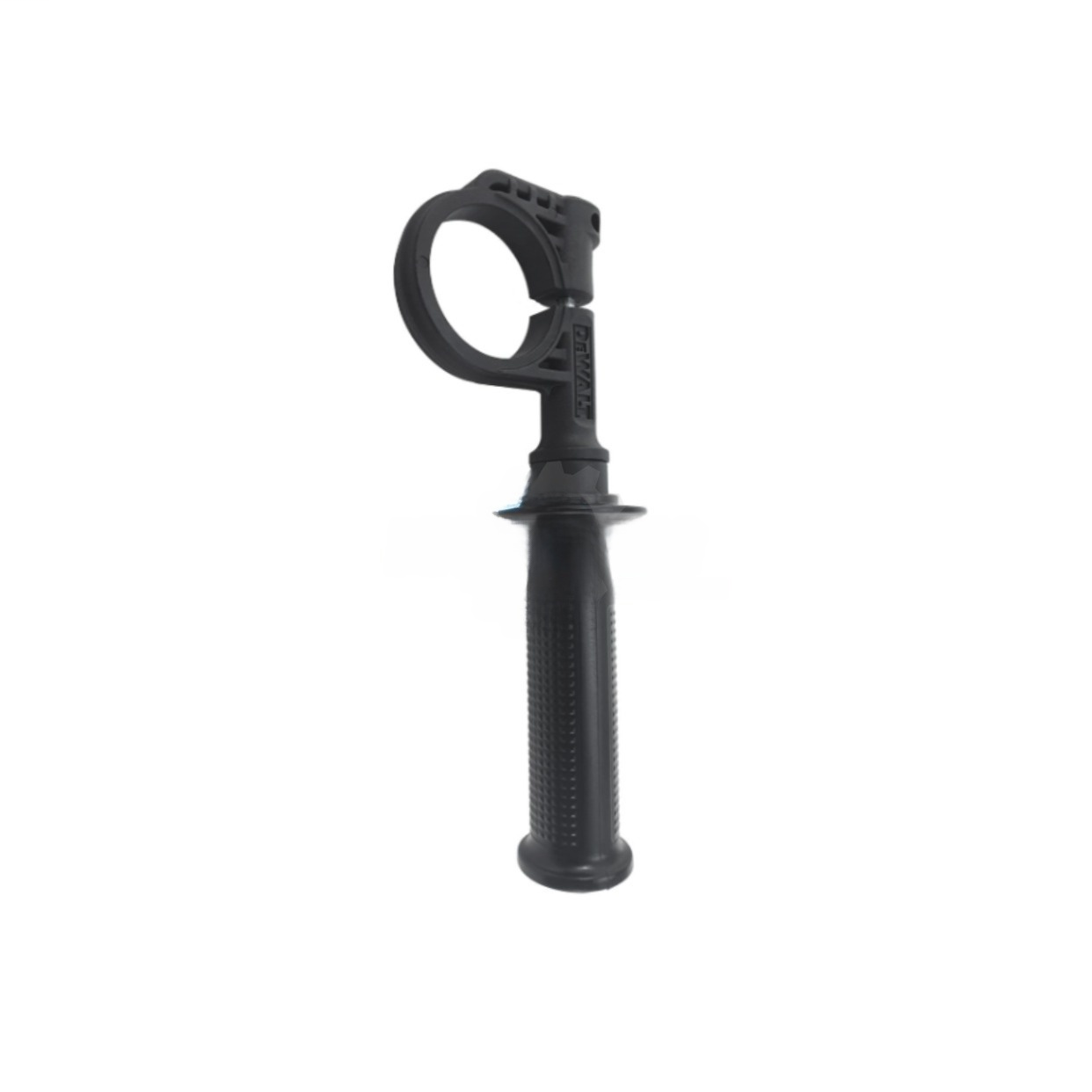
Control the Torque: Why You Need the N433408 Grip
Modern premium hammer drills output massive amounts of torque. If you are driving long lag screws or drilling through concrete and hit a rebar, the tool can violently bind up. Without a secondary point of leverage, that rotational force is instantly transferred to your wrist. The FixPartHub Premium Aftermarket N433408 Auxiliary Handle is not just an accessory; it is a critical safety component designed to keep you in control of your high-performance tools.
Built for Jobsite Abuse
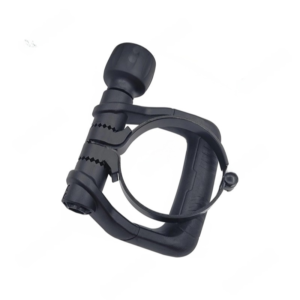
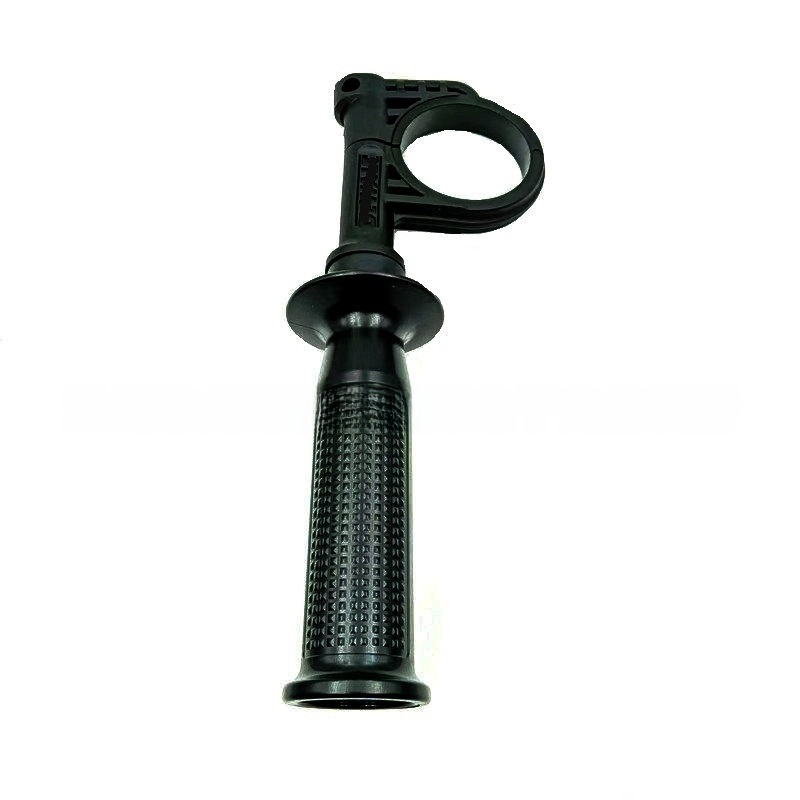
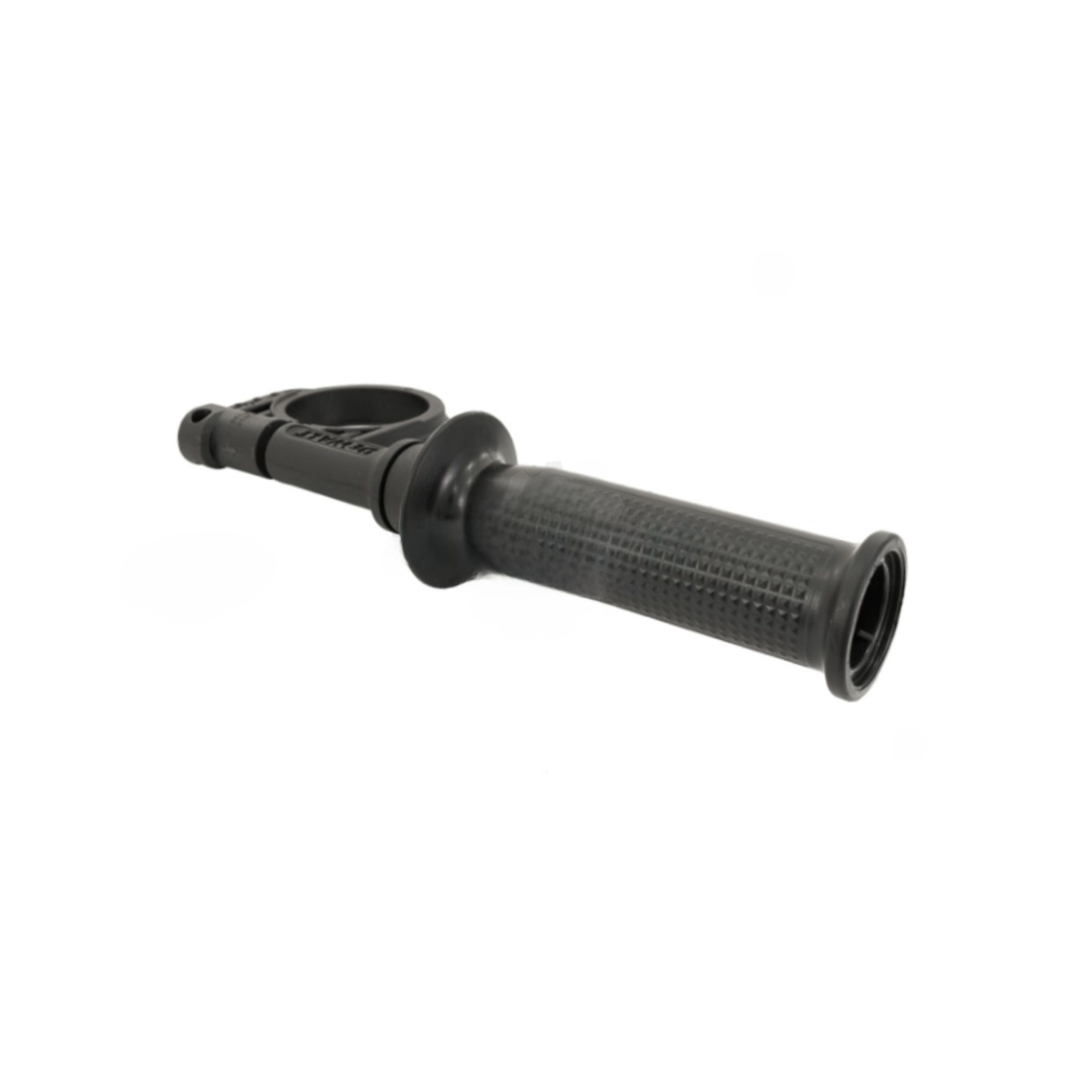
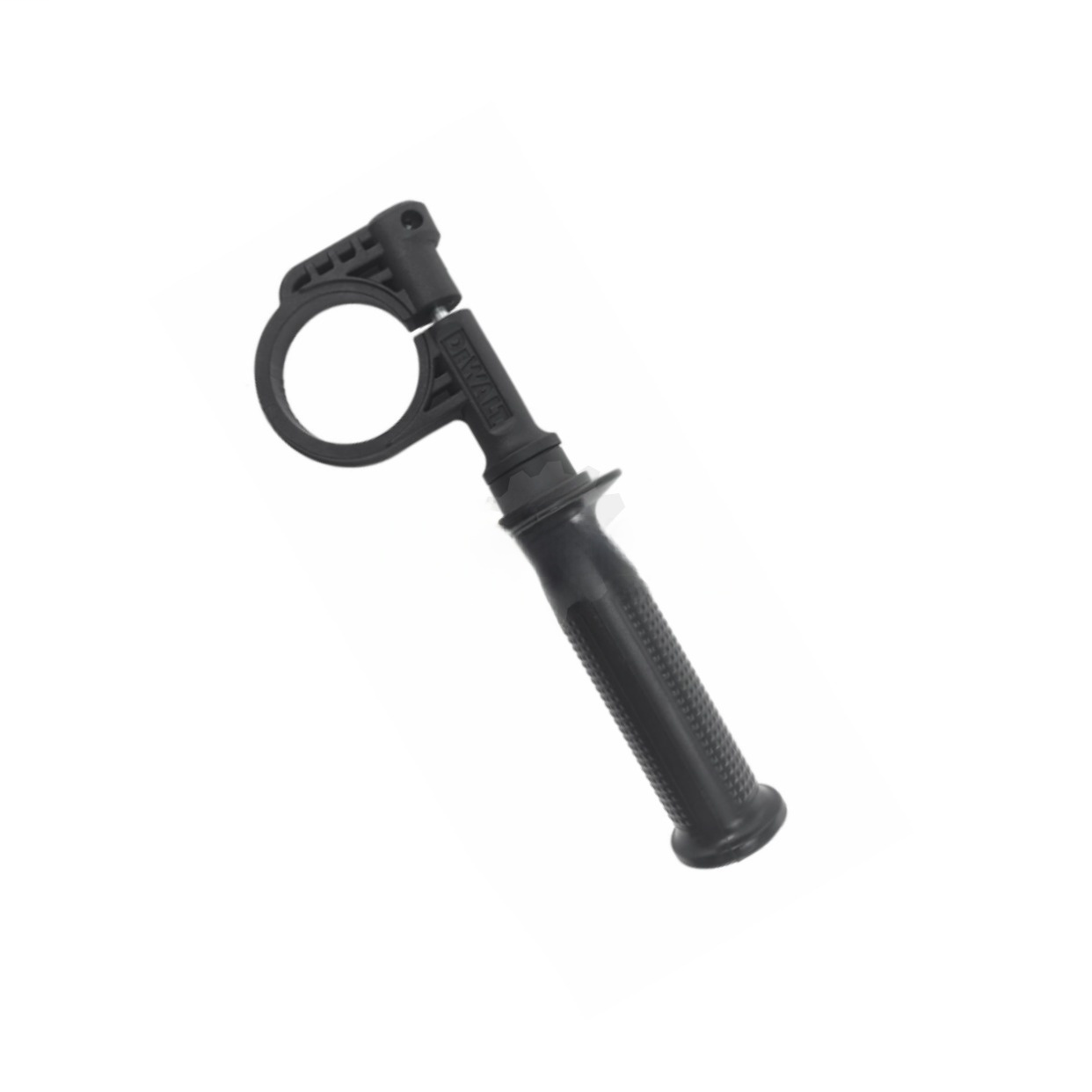
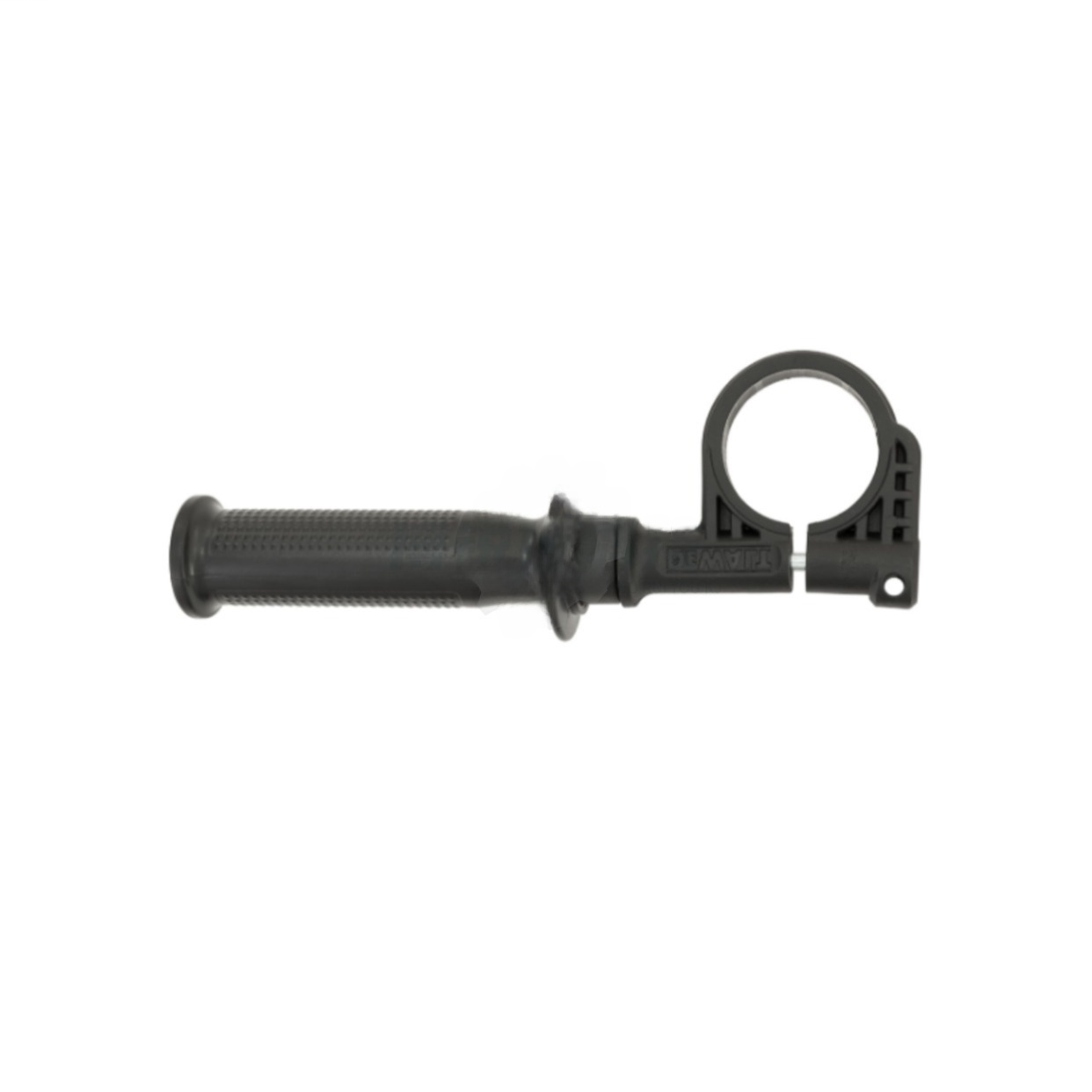
Whether you lost your original handle in transit or broke it during a heavy drop, this aftermarket replacement is engineered to match factory specifications. It utilizes a robust clamping band that seamlessly grips the metal collar of your drill’s gearbox. The deep-textured handle ensures that whether you are wearing heavy work gloves or dealing with grease, your grip remains uncompromised.
Tech Q&A: Fitment and Operation
Q: Will this fit the compact 20V models?
A: The N433408 is specifically designed for the larger collar diameter of premium models like the DCD996, DCD991, and DCH263. It may not clamp down tightly enough on smaller, compact drill series. Please verify your exact model number before purchasing.
Q: Does this include the depth rod / depth stop?
A: No. This listing is for the N433408 auxiliary handle assembly only. If your tool requires a depth rod for masonry work, you will need to source that rod separately and slide it into the designated slot on this handle.
Q: How do I adjust the angle of the handle?
A: It features a tool-free adjustment. Simply twist the main grip counter-clockwise to loosen the clamping band, rotate the handle 360 degrees around the chuck to your desired position, and twist clockwise to lock it down tight.
Legal Disclaimer: FixPartHub is an independent distributor of premium aftermarket replacement parts. We are not affiliated with, endorsed by, or sponsored by DeWalt. All brand names, model numbers, and trademarks mentioned are the property of their respective owners and are used strictly for compatibility identification.
Yes. This premium aftermarket auxiliary side handle is specifically engineered to be compatible with high-torque 20V MAX hammer drills and drill/drivers that require part number N433408. This includes highly popular models such as the DCD996, DCD991, and DCD998. It features the exact collar diameter needed for a secure, slip-free attachment.
High-torque drills like the DCD996 generate massive power. When using large hole saws, auger bits, or heavy masonry bits, the drill can suddenly bind up in the material, causing a violent “kickback.” Operating the tool without this heavy-duty side handle dramatically increases the risk of severe wrist and arm injuries. This replacement handle provides the essential leverage required to control the tool safely under extreme loads.
Installation is quick and completely tool-free. Simply loosen the grip, slide the metal mounting ring over the grooved collar just behind the drill chuck, and rotate the handle to your preferred working angle (90 degrees usually provides the best leverage). Finally, twist the hand grip clockwise to lock the clamping mechanism tight. Firmly hand-tighten it, but avoid using extreme force to prevent damaging the internal threads.