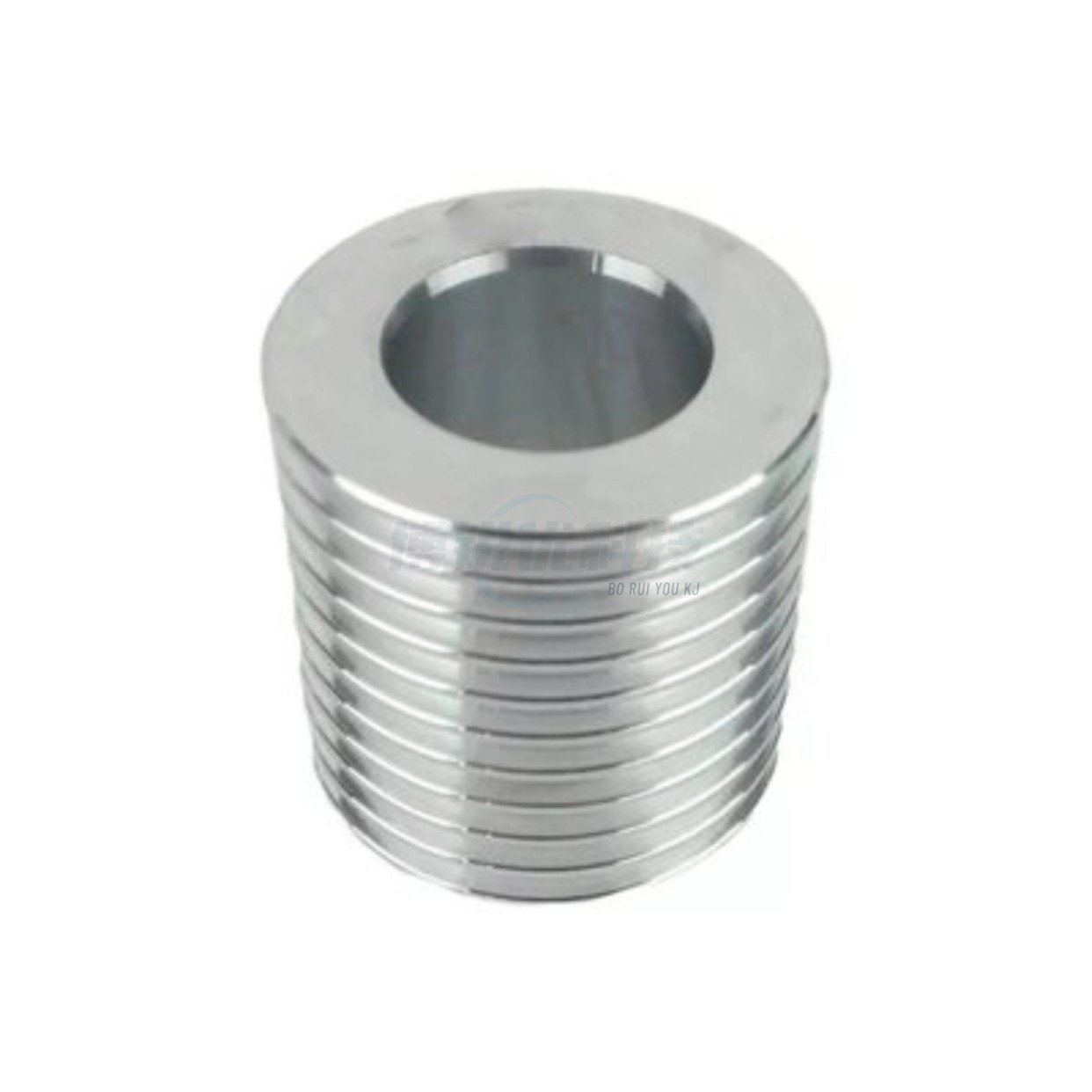
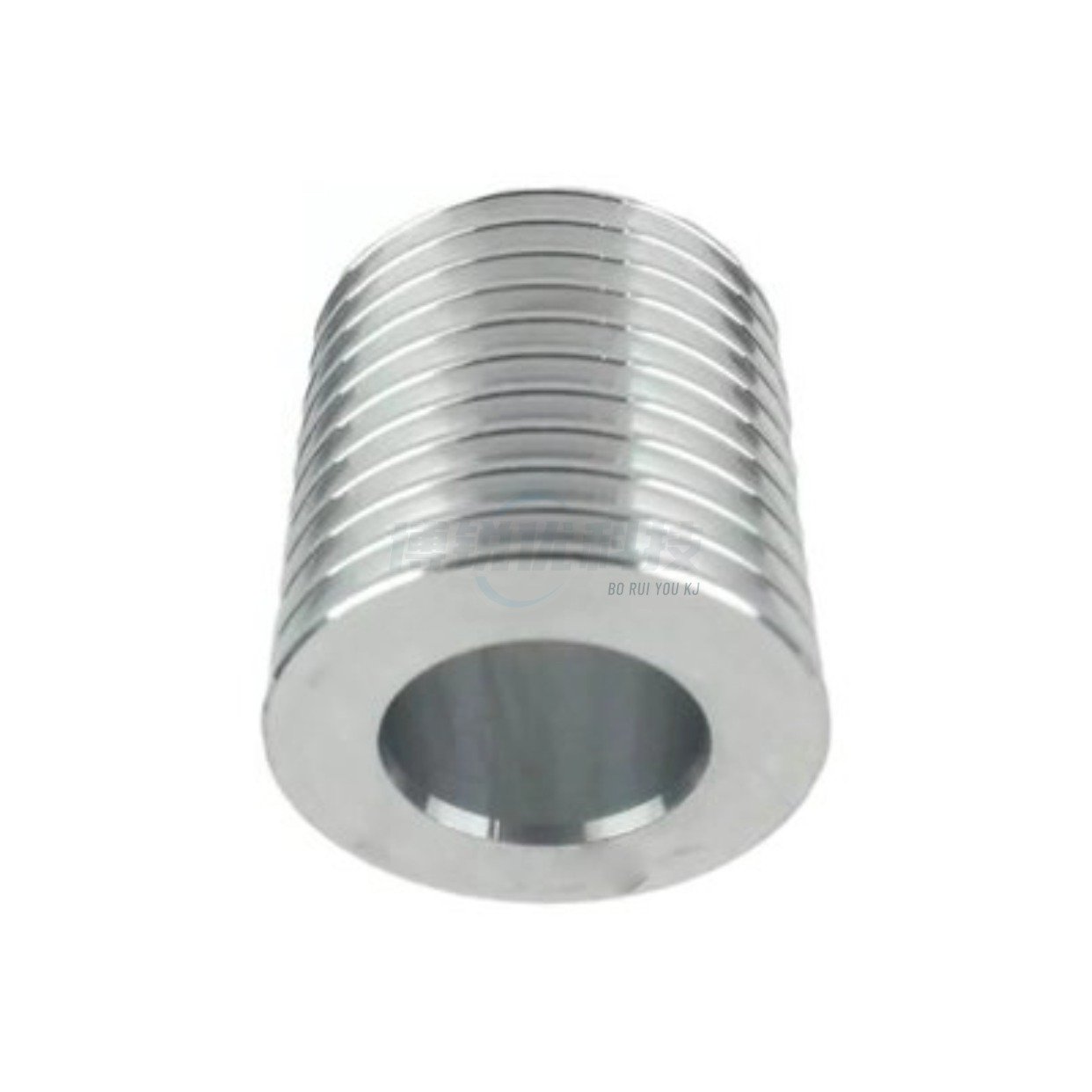
Restore Full Torque to Your 12″ Sliding Miter Saw
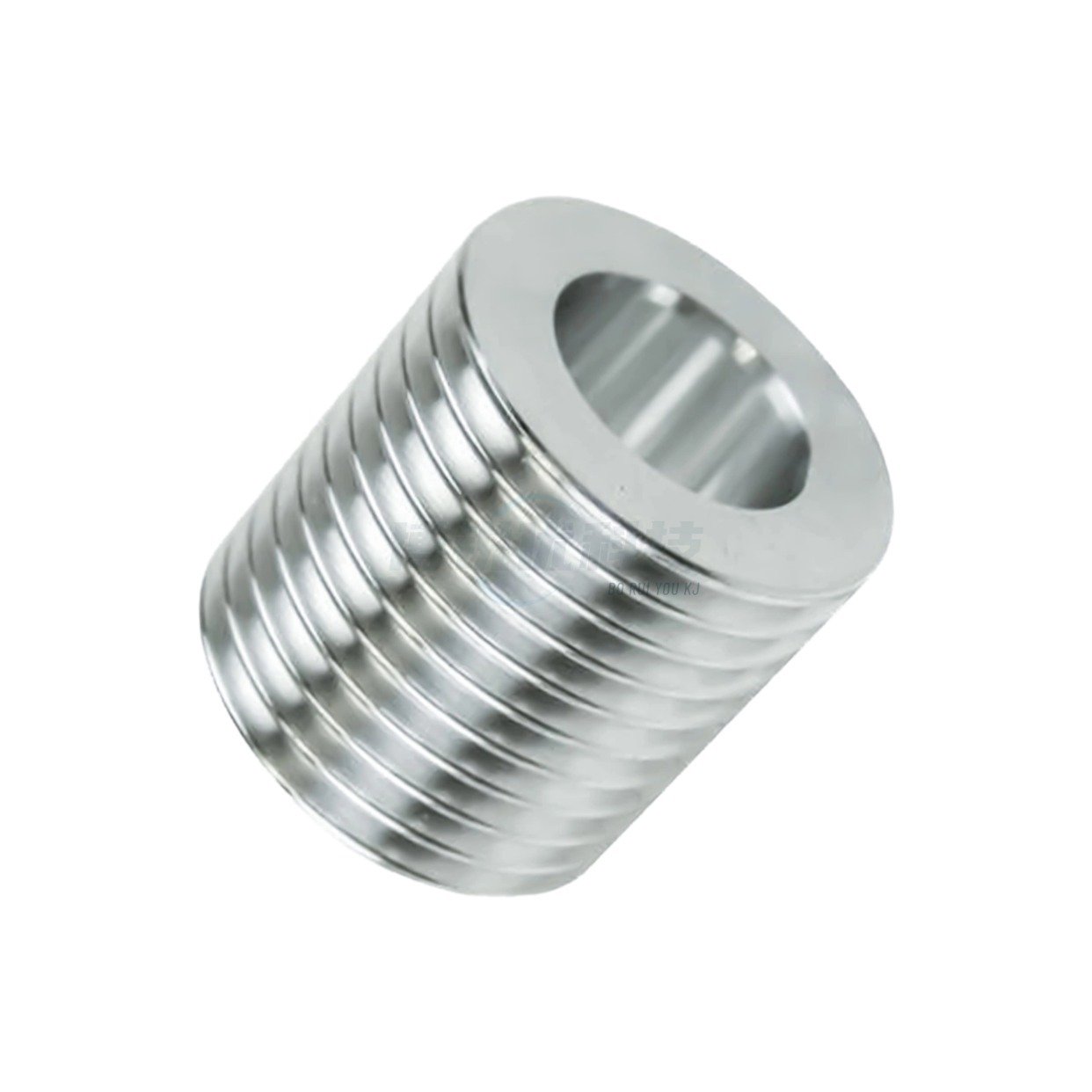
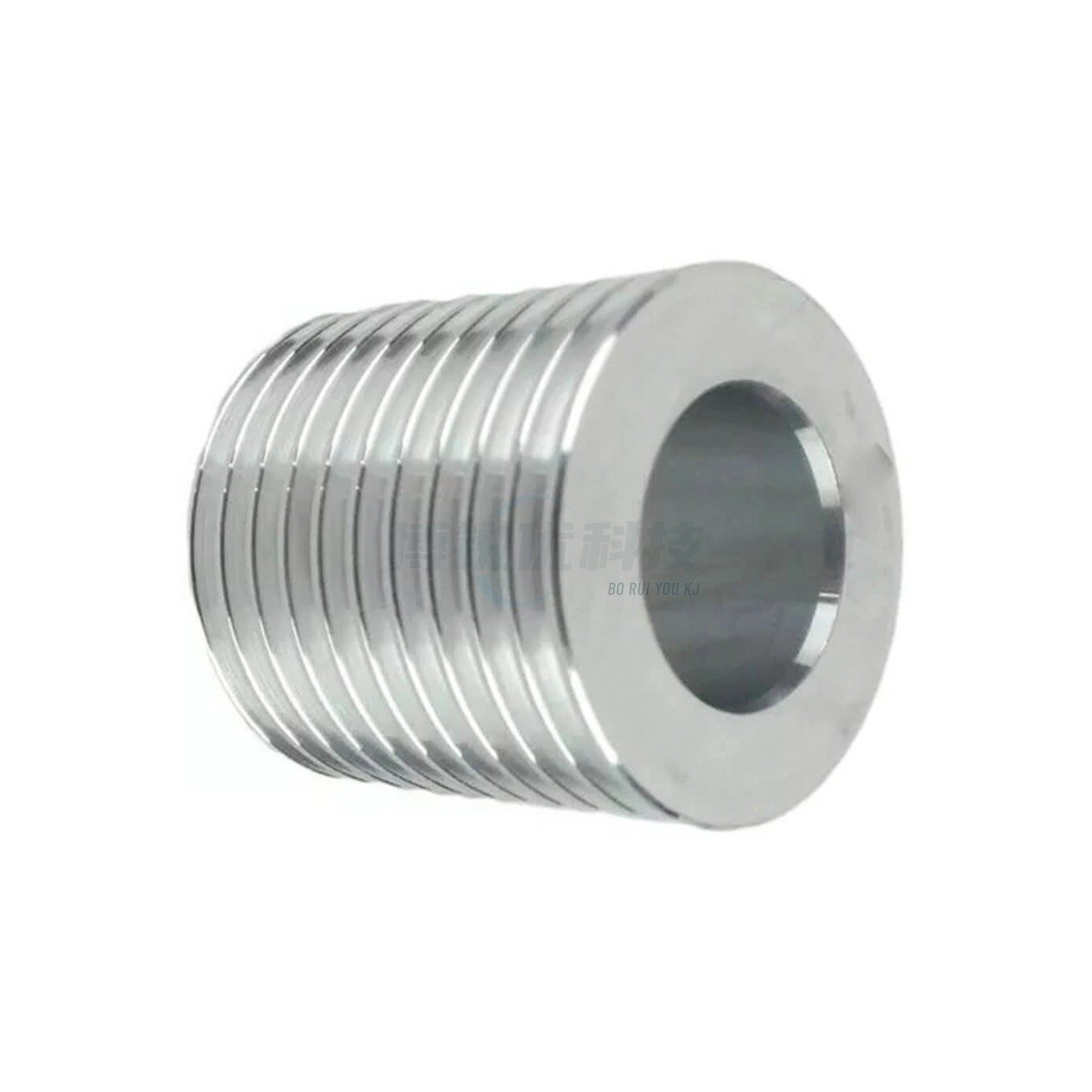
The drive system of a premium sliding miter saw relies on absolute friction synchronization. The N004510 Drive Pulley acts as the critical bridge transferring mechanical energy from your high-RPM motor to the cutting assembly. Over years of processing dense hardwoods or handling framing lumber, micro-fine wood dust forces its way between the drive belt and the pulley track. This abrasive dust acts like sandpaper, flattening the essential v-shaped grooves, inducing belt slippage, and severely reducing your tool’s cutting depth capacity under load. Replacing a compromised pulley with our premium aftermarket assembly ensures crisp throttle response and stable blade rotation.
Installation Best Practices & Inspection Protocols
Performing a pulley teardown provides the perfect opportunity to run a comprehensive drive-train health check. Observe these steps for optimal performance:
- Absolute Power Isolation: Disconnect the AC power cord or slide out both 60V MAX batteries before removing the belt guard casing.
- Examine the Poly-V Belt: Check your existing drive belt (commonly paired with part N010943) for inner rib cracking or fraying edges. Running a brand-new pulley with a stretched or glaze-damaged belt will cause the new pulley to wear prematurely.
- Shaft and Keyway Cleansing: Thoroughly wire-brush the motor shaft spline to remove old thread-locking compound residue and debris before pressing the new N004510 pulley into place.
- Torque Calibration: Thread the retention hardware smoothly to avoid cross-threading the armature axis. Apply a drop of medium-strength blue thread locker to prevent rotational vibration backing out the fastener.
Tech Q&A: Diagnostics and Powertrain Troubleshooting
Q: When I trigger the saw, the motor screams but the blade takes several seconds to accelerate. Is this the pulley?
A: Yes, a slow blade ramp-up paired with high-pitched whining is a definitive indicator of internal drive slip. The belt is failing to grab the flattened grooves of a worn N004510 pulley. Continued operation in this state will quickly generate enough frictional heat to ruin the bearing journals.
Q: Will this aftermarket pulley affect the electronic blade brake function on my DHS790?
A: No. The electronic brake function relies on electrical opposition within the motor module, but that braking force requires a solid mechanical connection to stop the blade. A crisp, unworn pulley ensures that brake force transfers instantly to the arbor without slipping.
Q: How can I tell if my existing pulley grooves are officially worn out?
A: Inspect the peaks of the internal grooves. A healthy pulley has sharp, uniform ridgelines. If the peaks look rounded, shiny, polished, or have deep gouges from belt strands, the part has reached its engineering wear-limit and must be swapped.
Legal Disclaimer: FixPartHub is an independent supplier of high-grade aftermarket replacement components. Any utilization of brand designations, OEM part codes, or tool manufacturing models (e.g., DeWalt, DWS780, DHS790) is executed strictly to convey part-compatibility parameters and structural fitment context for end-user maintenance validation.
Yes. This premium aftermarket drive pulley is precision-engineered to be fully compatible with popular 12″ sliding compound miter saws that require part number N004510, including the DWS780 model. It features exact factory-spec micro-V grooves to ensure a flawless fit with your original transmission system.
The most common symptom of a bad pulley is a severe loss of cutting power—the motor spins loudly, but the blade easily stalls or stops completely when cutting into wood. If you hear a high-pitched squealing noise or smell burning rubber, open your belt cover. If the micro-V grooves on your old metal pulley are worn flat, shiny, or packed with melted rubber, it can no longer grip the belt and must be replaced immediately.
Yes, it is highly recommended by professional repair technicians. When a metal drive pulley wears flat or slips repeatedly, the intense friction almost always glazes, stretches, or shreds the ribs of the rubber drive belt. To prevent your saw from slipping again and to guarantee maximum torque transfer to the blade, you should always install a brand-new compatible drive belt alongside this new aftermarket pulley.