
You pull the trigger on your 18V angle grinder to make a quick cut, but instead of the familiar high-RPM scream, you get a violent stutter. You look down at the motor vents and see a halo of bright blue fire, accompanied by the distinct, acrid smell of burning ozone.
For many operators, this is the moment they throw the tool in the scrap bin and order a bare tool replacement. But if your heavy-duty 18V platform tools are stalling, stuttering, or smoking, the motor is rarely dead. You are almost certainly looking at a classic carbon brush failure. Today, we are breaking down the anatomy of the CB430 carbon brush, how to diagnose it, and why keeping a bulk pack in your truck is the smartest financial move you can make.
1. The Sparking Death: Diagnosing a Dead CB430
Carbon brushes act as the electrical bridge between the stationary wires of your tool and the spinning commutator of the motor. Because they physically press against spinning copper, they are designed to wear away. They are a consumable, just like brake pads on a truck.
When a CB430 brush wears down to its absolute limit, the coiled spring behind it runs out of travel. Once this happens, the brush loses solid contact with the commutator. The electrical current is forced to “jump” the gap, creating massive, aggressive sparks (arcing). This arcing generates intense heat, which melts the plastic brush holders and scorches the copper commutator.
The Rule of Thumb: If your brush block is shorter than 1/4 inch (about 6mm), or if the copper lead wire embedded inside the brush is exposed, it is time for an immediate replacement. Continuing to run the tool will destroy the expensive armature.
2. The Economics of Downtime: Why Buy a 10-Pack?
Most hardware stores sell carbon brushes in pairs for $8 to $12. If you are a weekend DIYer, a single pair makes sense. But if you run a fabrication shop, manage a construction crew, or repair tools for a living, buying pairs is a massive waste of money and time.
When a grinder dies on a Tuesday morning, waiting three days for a single pair of brushes to ship means you lose three days of productivity. The Premium Aftermarket CB430 10-Pack is designed for fleet maintenance. You get 5 complete repair sets for a fraction of the retail cost. You toss the box in your service truck, and the next time a tool starts stuttering, you fix it on the tailgate in five minutes and get right back to work.
3. The 5-Minute Swap and the “Break-In” Secret
Replacing CB430 brushes is straightforward: unscrew the rear housing, pull back the coil spring with a flathead screwdriver, slide the old brush out, and slide the new one in. But 90% of mechanics skip the most critical step: The Break-In.
A brand-new carbon brush is perfectly flat on the bottom. Your motor’s commutator is completely round. If you install new brushes and immediately start cutting heavy steel, only a tiny sliver of the flat brush is touching the round copper. This causes a massive bottleneck of electricity, resulting in extreme heat that can shatter the new brush.
The Fix: Once you install the new brushes, put the battery in, pull the trigger, and let the tool run at full speed with absolutely no load (do not cut anything) for 3 to 5 minutes. This allows the flat carbon to gently wear into a perfect curve that matches your commutator, ensuring maximum power transfer and a longer lifespan.
4. Brush Replacement Q&A
Why is my tool still sparking after installing new CB430 brushes?
A small, consistent trail of sparks under the vents is completely normal for new brushes until they fully seat (see the break-in procedure above). However, if the sparks are heavy, wrapping all the way around the motor, your armature commutator is likely shorted or heavily scored. Take a pencil eraser or fine grit sandpaper and gently clean the black carbon buildup off the copper commutator.
Will these fit my specific 18V tool?
The CB430 profile is one of the most widely used brush designs in the 18V LXT cordless lineup. It is commonly found in 18V angle grinders, circular saws, and rotary hammers. Always pull your original brush and visually compare the dimensions (approx. 7mm x 7mm x 10mm) before ordering.
Can I just replace one side if only one brush is worn?
Never. Carbon brushes must always be replaced in pairs. Mixing an old, seated brush with a new, flat brush causes unbalanced spring tension and uneven electrical current, which will damage the motor.
Stop losing money on predictable tool failures.
Disclaimer: FixPartHub is an independent distributor of premium aftermarket repair components. We are not affiliated with, endorsed by, or sponsored by Makita Corporation. Any brand names or model numbers referenced are for cross-compatibility and diagnostic purposes only.
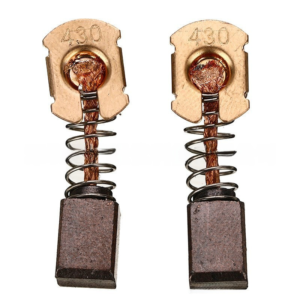
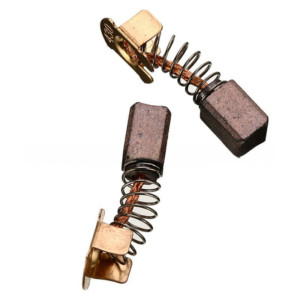
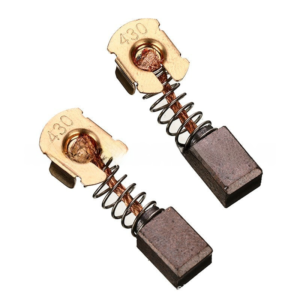
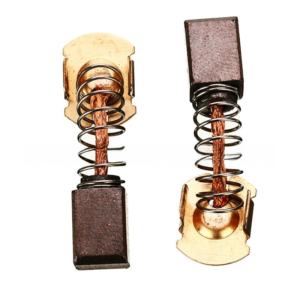
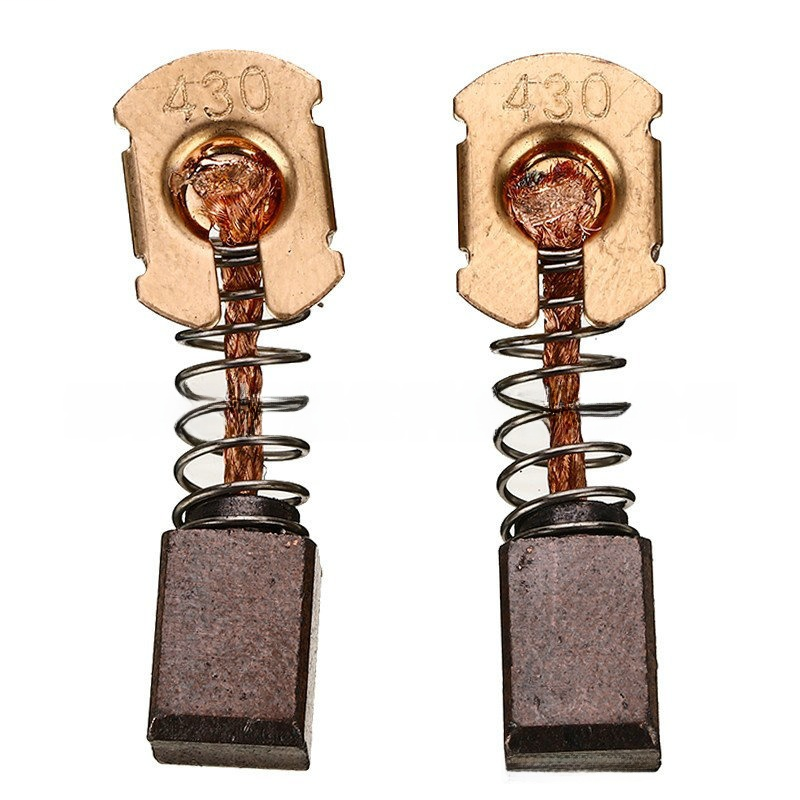
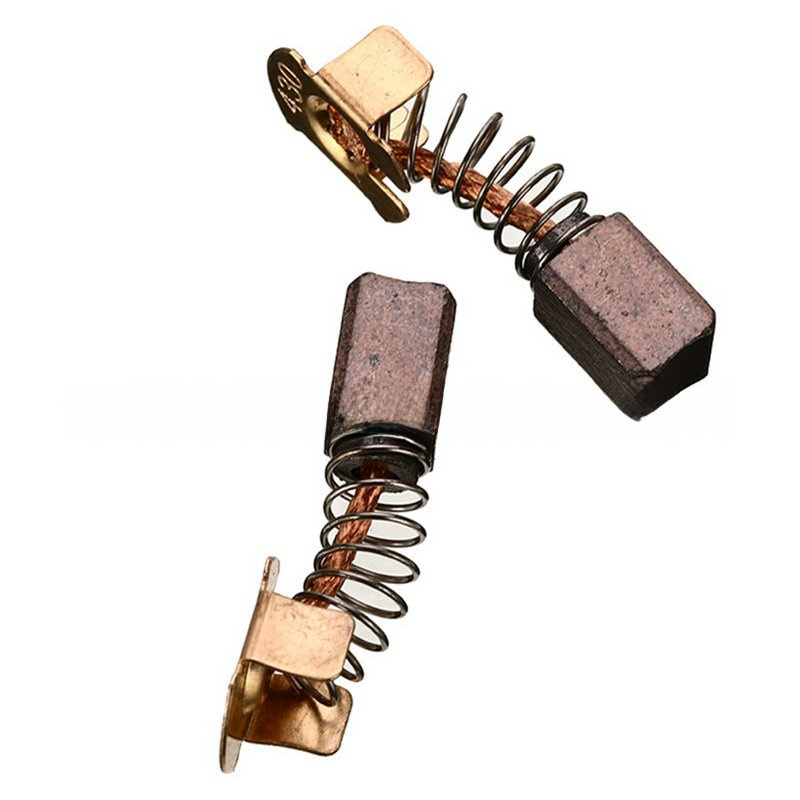
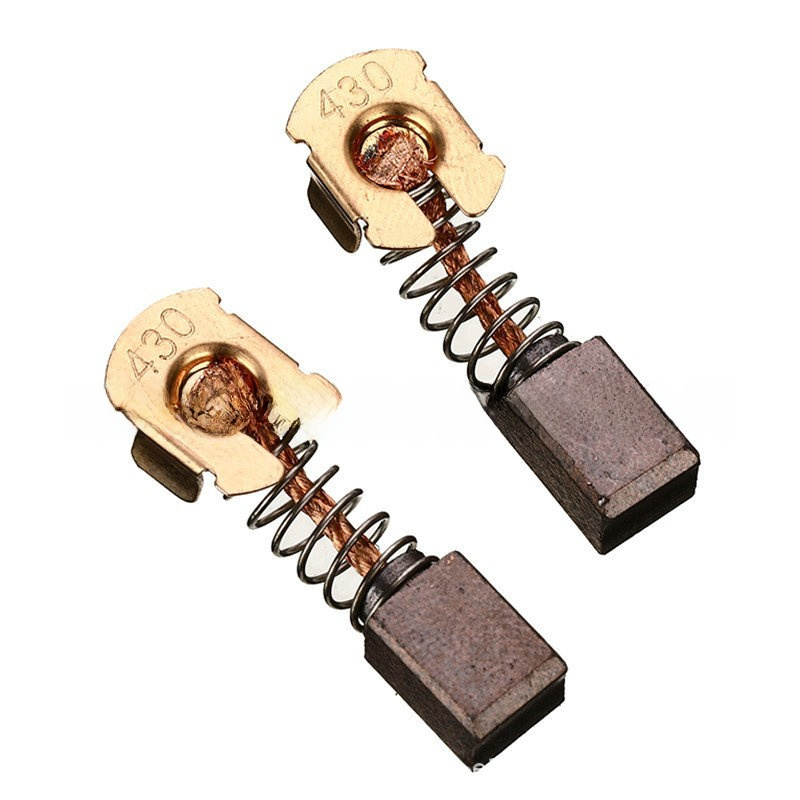
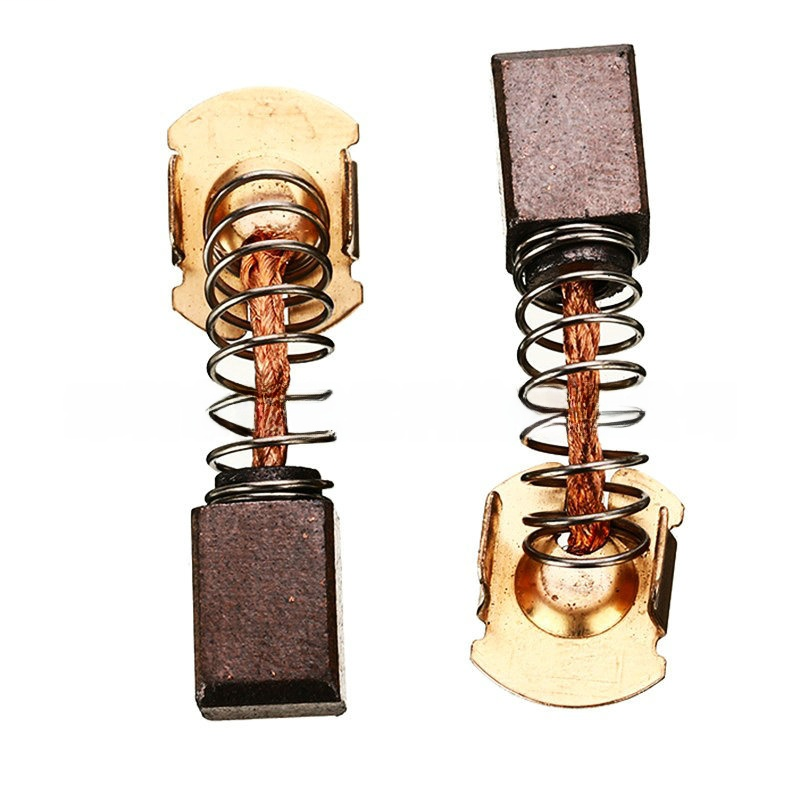
Premium Aftermarket CB430 Carbon Brushes Compatible with 18V DGA452 BHR200 | FixPartHub
- ✔ Ultimate Bulk Value:Including several groups of high-quality after-sales CB430 carbon brushes, you can choose. Keep your heavy-duty 18v tools running without waiting for a single pair to be replaced.
- ✔ 18V Platform Compatibility: Specifically engineered for popular 18V cordless platforms. Direct replacement for OEM part numbers 191971-3 and 195018-5. Fits models DGA452, DGA452Z, BHR200, BGA452, and more.
- ✔ High-Purity Graphite Construction: Made from pure graphite compound (not cheap carbon blends). This ensures maximum electrical conductivity, preserving your battery life and keeping motor operating temperatures low.
- ✔ Precision Dimensions: Machined to exact 7mm x 7.5mm x 11.5mm specs. These brushes slide smoothly into the brass brush holders without binding, ensuring consistent spring pressure against the commutator.
- ✔ Fix Intermittent Operation: The most reliable solution for cordless grinders and rotary hammers that randomly stall, emit excessive sparks, or suffer from electric brake failure.
| Buy More, Save More | Quantity | Discount |
|---|---|---|
| Bulk Discount | 2 | 5% |
| Bulk Discount | 3 – 5 | 10% |
| Bulk Discount | 6 – 19 | 15% |