
You were pushing through that last concrete anchor hole when it happened. The RPMs dropped, a harsh grinding noise kicked in, and a cloud of acrid, toxic-smelling smoke blew out of the exhaust vents. Your DCD776 just died on the job.
Let’s be real. The DCD776 is an absolute workhorse of a 18V hammer drill, but its brushed motor has a physical limit. When you continuously push it through dense masonry or bind a massive hole saw, the internal temperatures skyrocket. The enamel on the copper windings melts, the carbon brushes disintegrate, and the motor shorts out.
Most guys toss the drill in the bin and spend $130 on a bare tool. But if you have 10 minutes and a Torx screwdriver, you can drop in an aftermarket 18V compatible motor and get back to work for a fraction of the cost.
The Diagnosis: Is the Motor Truly Dead?
Before you crack open the clamshell, confirm the failure. A dead battery or a fried trigger switch can mimic a bad motor. You definitely need a motor replacement if:
- The Smell Test: If the vents smell like burnt plastic and ozone, the copper windings are fried.
- The Spark Show: Pull the trigger in a dark room. If you see massive, erratic blue/orange sparks shooting out of the back of the drill, the commutator is destroyed.
- Locked Rotor: You hear a clicking sound from the trigger, but the chuck won’t spin even if you try to turn it by hand.
OEM vs. Premium Aftermarket: The Reality Check
When searching for a DCD776 replacement motor, you’ll hit a wall. Original Equipment Manufacturer (OEM) motors are frequently backordered for months, and when you do find one, the price tag makes fixing a 3-year-old drill feel completely irrational.
This is where a premium aftermarket motor changes the game. We aren’t talking about generic, unbranded cans. A proper aftermarket replacement matches the factory specs exactly: high-temperature copper windings designed to handle 18V loads, pre-installed carbon brushes, and most importantly, the exact pinion gear pre-pressed onto the shaft.
Mechanic’s Rule: Never buy a bare motor that requires you to pull your old gear off. The factory gears are machine-pressed. Trying to swap a gear with a vise and a hammer will bend the shaft and ruin your new motor instantly. Always buy a “drop-in” assembly with the gear included.
The Tear-Down: Dropping in the New Motor
You don’t need a degree in electrical engineering for this. You need a T10 Torx driver and a soldering iron.
- Split the Housing: Remove the battery. Back out all the screws on the plastic housing. Carefully lift the top half of the clamshell off. Take a quick photo of the wire routing so you don’t pinch anything later.
- Lift the Drivetrain: Grab the chuck and the motor, and lift the entire assembly out of the casing. Gently twist the old motor to unlock it from the planetary gearbox.
- Desolder the Connections: Heat up your iron and remove the positive and negative leads connecting the motor to the trigger switch.
- Install and Mesh: Solder the leads to your new aftermarket motor. Twist the new motor into the gearbox. Crucial step: Make sure the teeth on the motor gear perfectly mesh with the plastic planetary gears inside the transmission before forcing it shut.
- Button it up: Route the wires exactly as they were, drop the assembly into the housing, and drive the screws back in.
The Break-In Period (Post-Installation)
Don’t immediately take your rebuilt drill out and slam it into a cinder block. New carbon brushes need to be “seated.” Put a fully charged battery in, hold the drill in the air, and run it at half-speed with no load for about 2 to 3 minutes. This allows the square brushes to curve and perfectly match the round commutator, preventing future sparking.
Stop wasting money replacing tools that just need a heart transplant. Grab the exact Aftermarket 18V Motor for your DCD776 here, and keep your toolbox fully armed.
Frequently Asked Questions (Tech Q&A)
Why did my hammer drill motor burn out while drilling concrete?
Hammer drills like the DCD776 rely on high RPMs to chip away masonry. If you push too hard (applying excessive physical weight to the drill), the motor bogs down. The electrical current spikes, generating extreme heat that the internal cooling fan cannot dissipate, ultimately melting the internal components.
Do I need to replace the gearbox if the motor is dead?
Usually, no. Unless you continued to run the drill while it was making a horrific mechanical grinding noise (which means stripped gears), a burnt motor is isolated. Simply uncouple the dead motor and attach the new one to your existing transmission.
¿Este motor es compatible con mi taladro de 18V?
Sí. Este motor de repuesto (aftermarket) está diseñado específicamente con el engranaje exacto y el voltaje para restaurar la potencia de fábrica de los modelos DCD776. Es una instalación directa (drop-in).
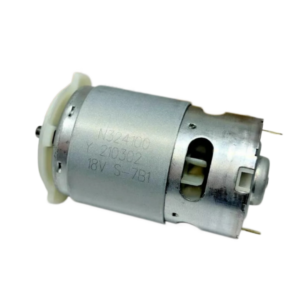
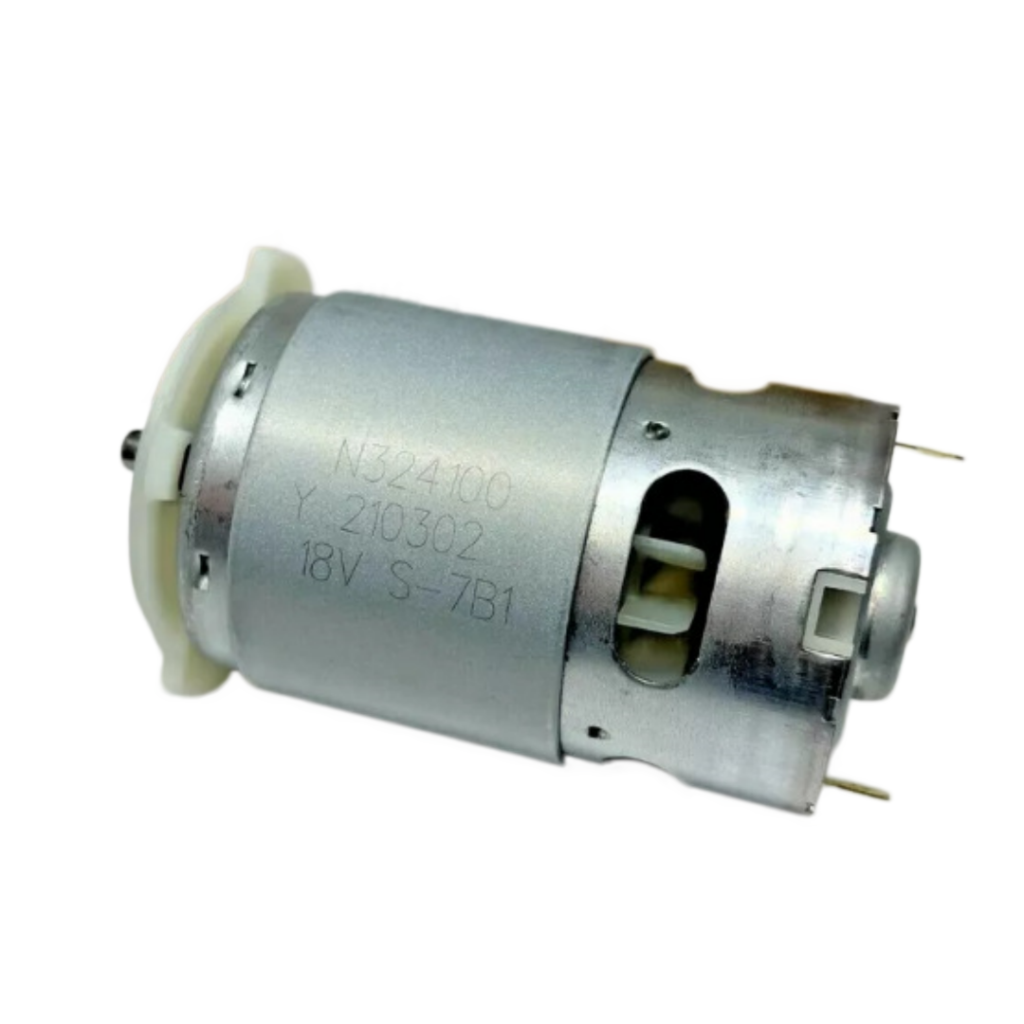
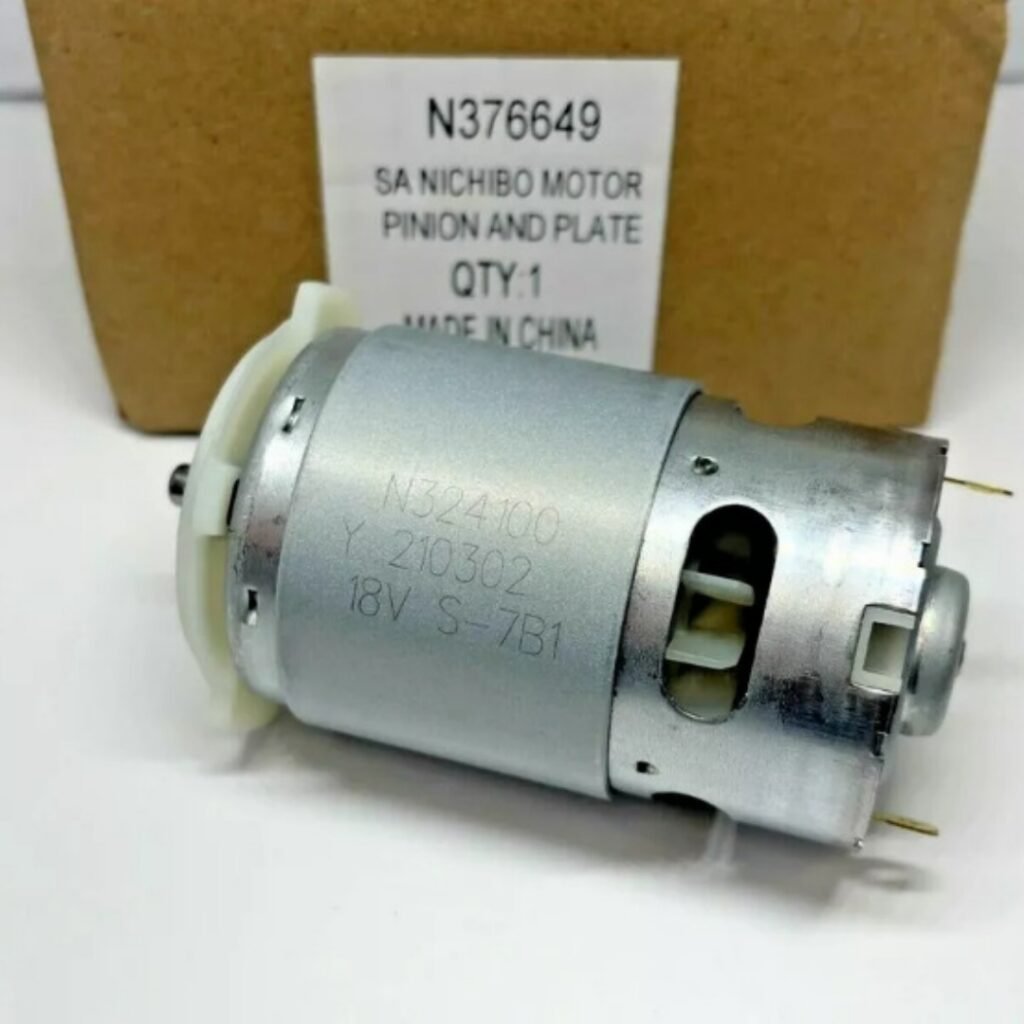
Premium Aftermarket 18V/20V Motor Compatible with DeWALT DCD776 Hammer Drills (Replaces N362741) | FixPartHub
- ✔ Dedicated Hammer Drill Spec: Engineered specifically for the aggressive high-torque demands of the DeWALT DCD776 Cordless Hammer Drill (Combi Drill) platform.
- ✔ Exact OEM Cross-Reference: Serves as a direct, drop-in aftermarket replacement for factory part number N362741. Restores your tool to 100% factory specifications.
- ✔ Pre-Installed 18-Teeth Gear: Arrives with a hardened 18-teeth pinion gear precision-pressed onto the shaft. Ensures flawless engagement with the heavy-duty planetary and percussion gear train.
- ✔ Built for Masonry Abuse: Upgraded with high-thermal-capacity copper windings to withstand the immense electrical draw and heat buildup caused by prolonged drilling into brick, mortar, and light concrete.
- ✔ The Ultimate Burnout Fix: The most cost-effective solution for a DCD776 that lacks punching power, smells like burning plastic under load, or constantly triggers the battery overload protection.
| Buy More, Save More | Quantity | Discount |
|---|---|---|
| Bulk Discount | 2 | 5% |
| Bulk Discount | 3 – 5 | 10% |
| Bulk Discount | 6 – 19 | 15% |