The End of Tedious Hand Sanding in Tight Spaces
Sanding deep inside curved wood carving recesses, smoothing out welded metal pipe seams, or deburring internal cutouts usually means hours of slow, hand-cramping work with sandpaper wrapped around a dowel. Standard random orbital sanders are too bulky, and rotary tool drums wear out or gouge the surface instantly. The Universal Drill-Powered Mini Belt Sander Attachment delivers continuous, linear belt-sanding speed directly through your hand drill, giving you the power to machine-finish complex shapes effortlessly.
💡 Pro Tip: To maximize tracking and belt lifespan, operate your drill in forward rotation only and let the abrasive speed do the work. Applying heavy manual downward pressure is unnecessary; gentle, linear contact gives you absolute flat control without heating up the tracking pulleys.
How It Works: Linear Abrasive Conversion
Chuck the Arbor
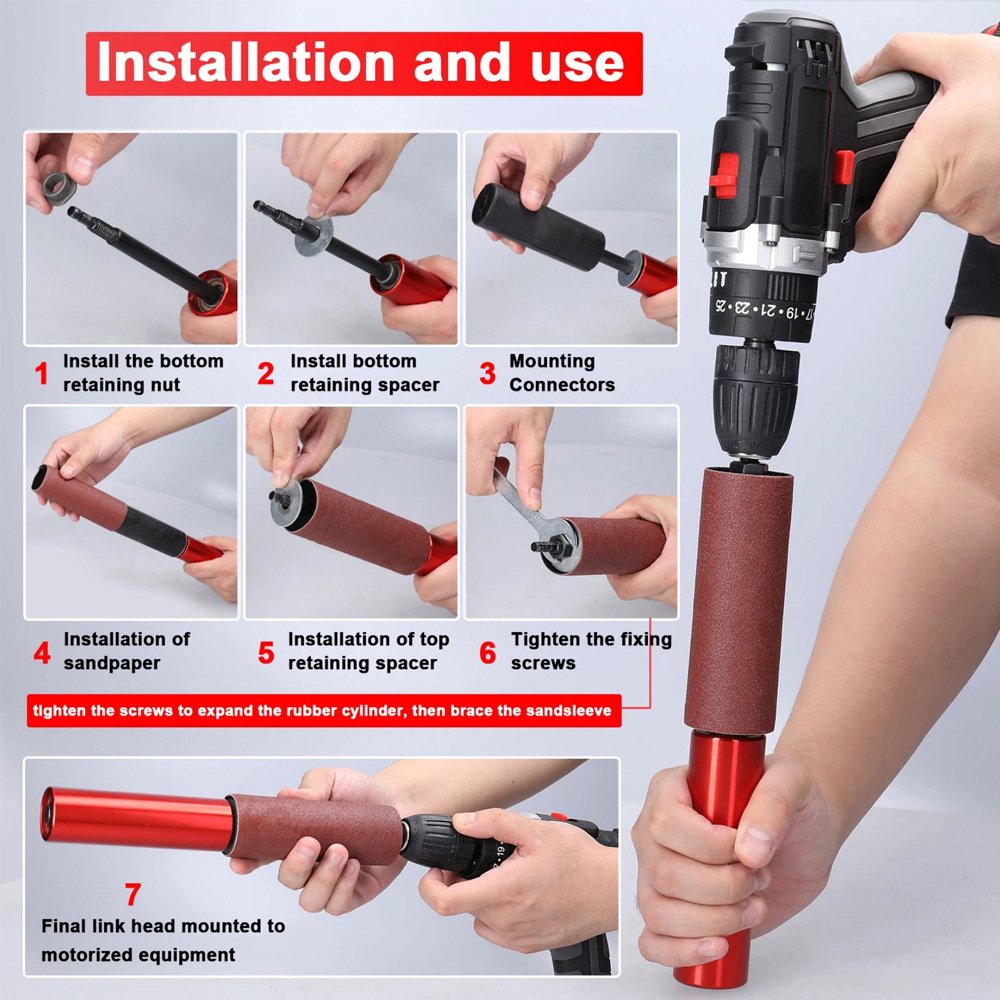
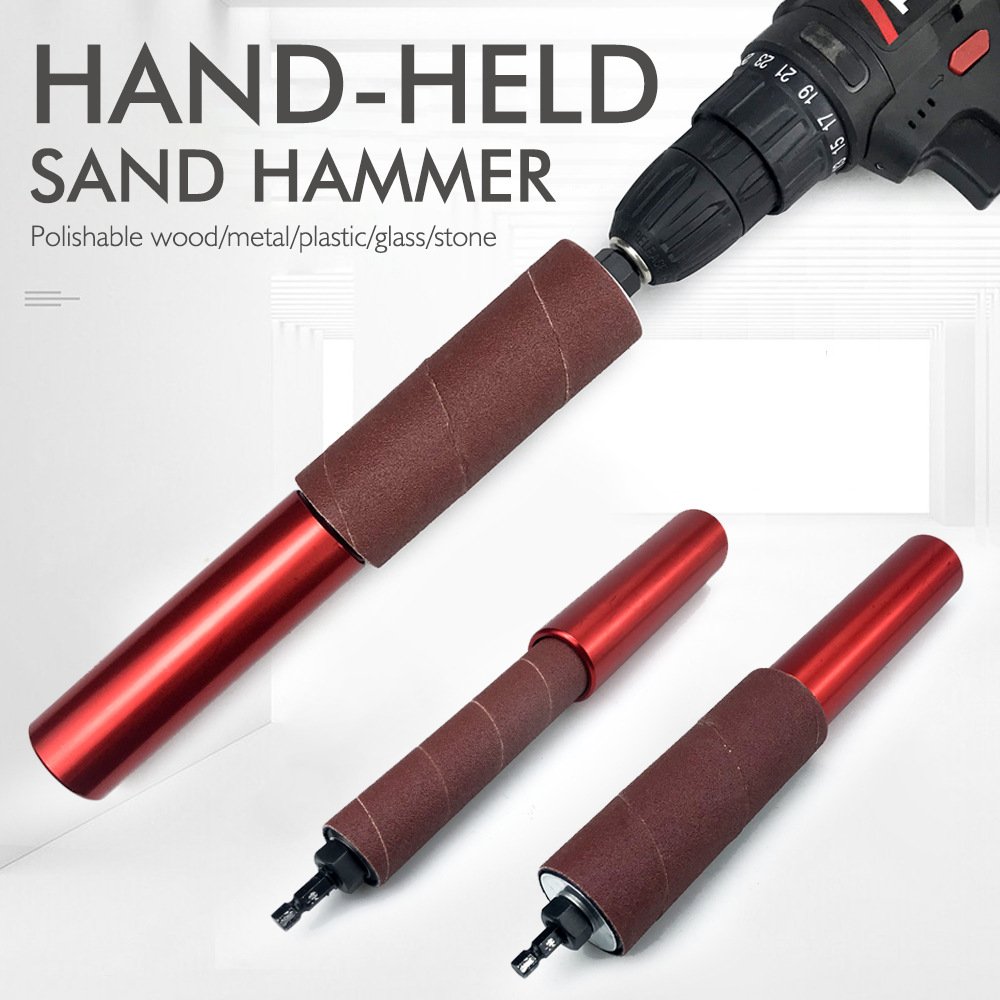
Secure the rigid steel hex shank directly into your 3-jaw corded or cordless power drill chuck and torque down tight.
Load and Tension
Slide the selected abrasive belt over the primary driving spindle and the spring-loaded front tracking rod to establish tension.
Execute Linear Sanding
Engage the drill motor. The drive spindle spins the loop continuously, allowing you to feed the flat or rounded rod face across the material profile.
Why Our Burnishing Attachment Outperforms Common Tools
| Operational Metric | Standard Sanding Drums / Flap Wheels | FixPartHub Drill Mini Belt Sander |
|---|---|---|
| Surface Pattern | Rotary action leaves circular swirl marks that ruin finish prep. | ✅ Linear tracking leaves a smooth, directional brushed grain. |
| Structural Rigidity | Cheap plastic shafts flex, slip out of alignment, or shatter. | ✅ 790g reinforced alloy steel assembly handles intense torque. |
| Abrasive Lifetime | Small surface area causes high heat buildup and instant loading. | ✅ Continuous belt loop dissipates heat quickly to extend cutting life. |
Step-by-Step: Changing and Aligning Belts
Compress Tensioner: Press down firmly on the front tracking guide assembly to compress the inner spring and shorten the distance between rollers.
Slip On Abrasive: Slide the selected abrasive sanding belt cleanly over the wide rubber drive wheel and the steel tracking tip.
Release & Align: Release the spring-loaded tracking tip. Verify that the belt is sitting square and centered on both spindles before firing.
Low Speed Tracking: Run the drill motor at a very low speed for 3 seconds to check that the belt tracks perfectly straight down the rod axis.
Compatible Materials Matrix
Tech Q&A: Tool Calibration & Capacity
❓ Q: What types of power drills are compatible with this attachment?
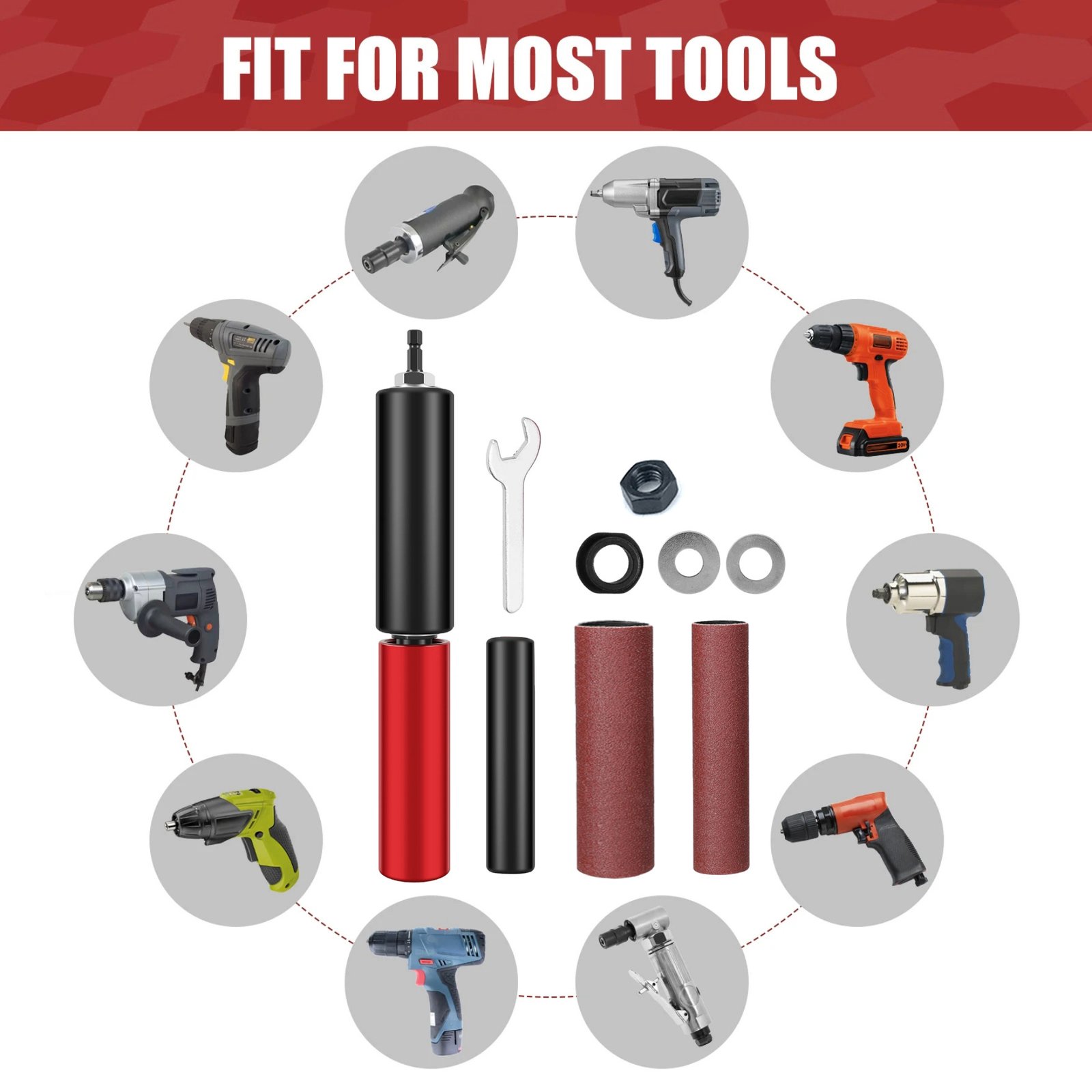
A: The tool features a standardized steel hex shank designed to lock securely into any universal 3-jaw drill chuck, including standard 12V/18V/20V lithium cordless drills and heavy-duty corded shop drills.
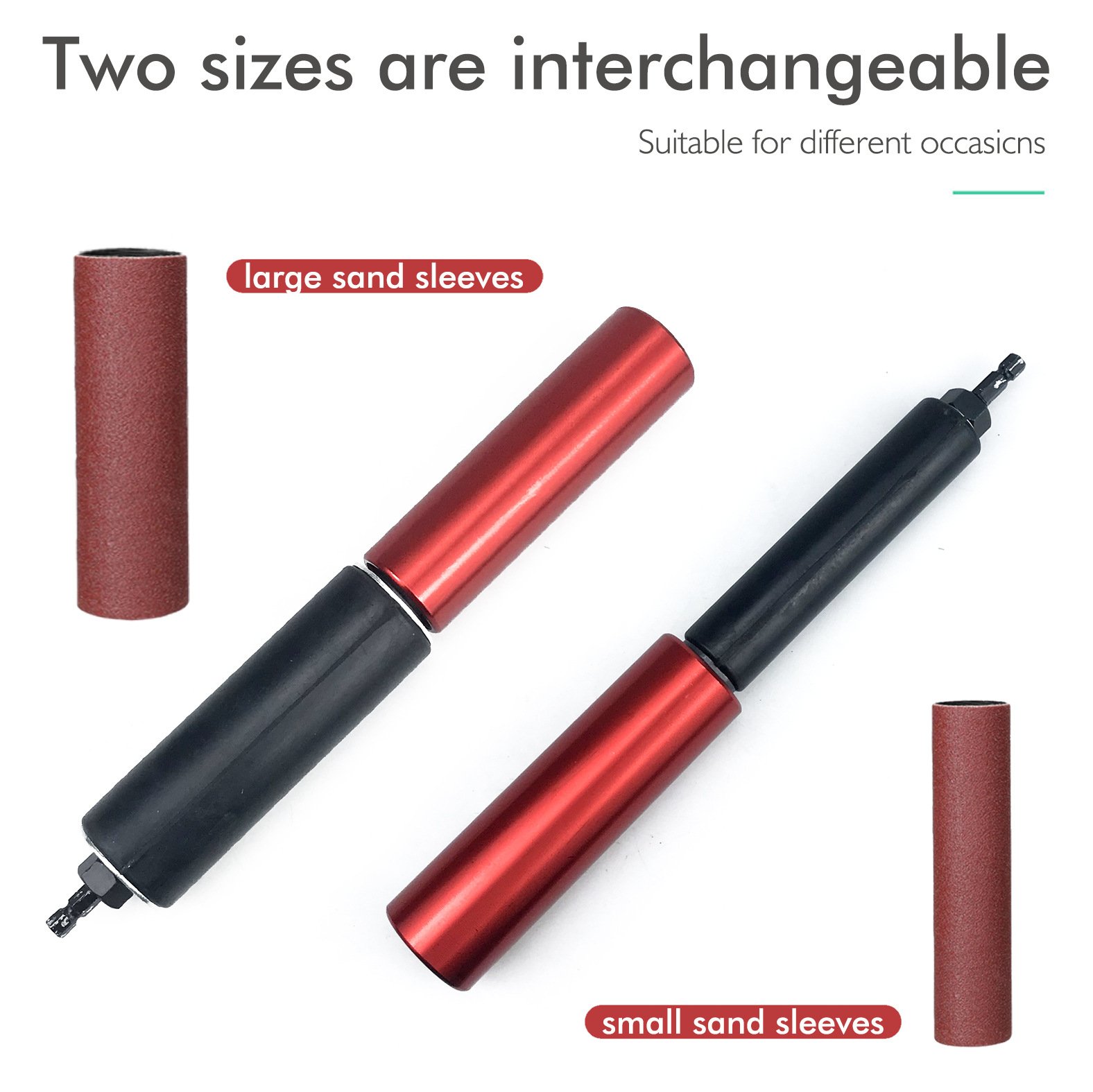
❓ Q: What are the two different sizes included in the belt kit?
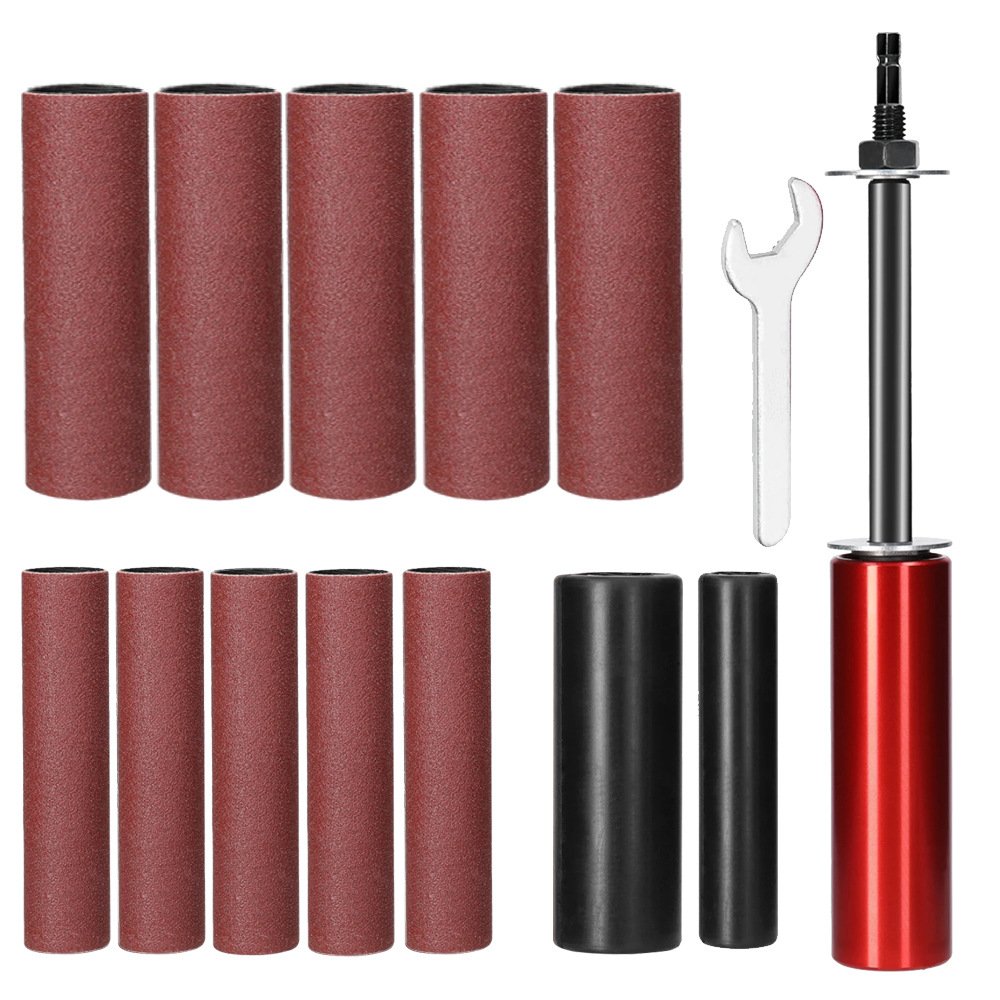
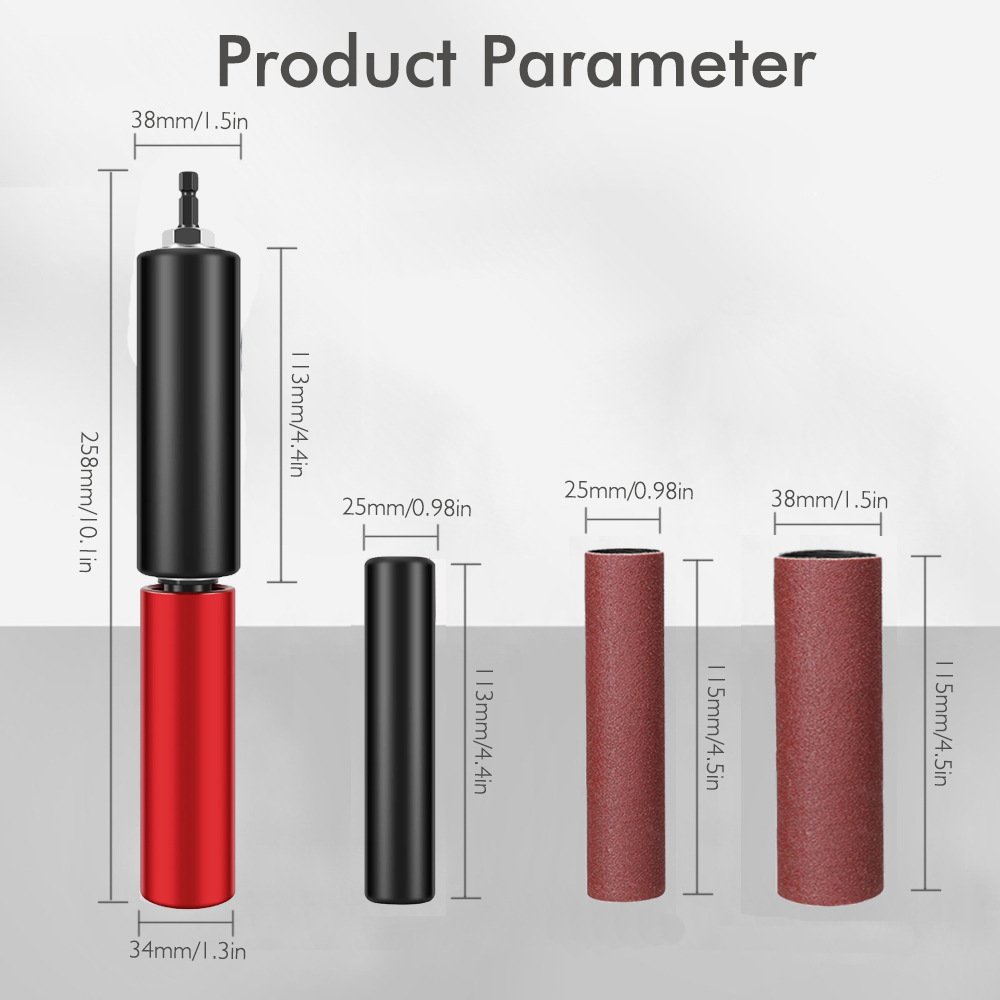
A: The master set is equipped with an interchangeable dual-roller config that accommodates both wide (large) belts for sweeping flat areas and slim (small) belts for accessing fine detail groves and internal notches.
❓ Q: Can I run this attachment at maximum drill RPM?
A: The dual internal ball-bearings are fully rated for up to 3000 RPM. However, for plastic finishing or detail wood contouring, running at moderate speeds offers better tactile feedback and avoids melting or scorching.
Safety & Maintenance Notes
- Always Wear Eye Protection – High-speed linear belts generate directional paths of wood dust and sharp metal filings.
- Keep Clear of Belt Edges – Ensure loose clothing, hair, and fingers are completely away from the spinning tracking rod wheels during execution.
- Clean Dust Cavities Daily – Blow clear the internal spring tension channels with compressed air to maintain optimal automatic belt tracking.
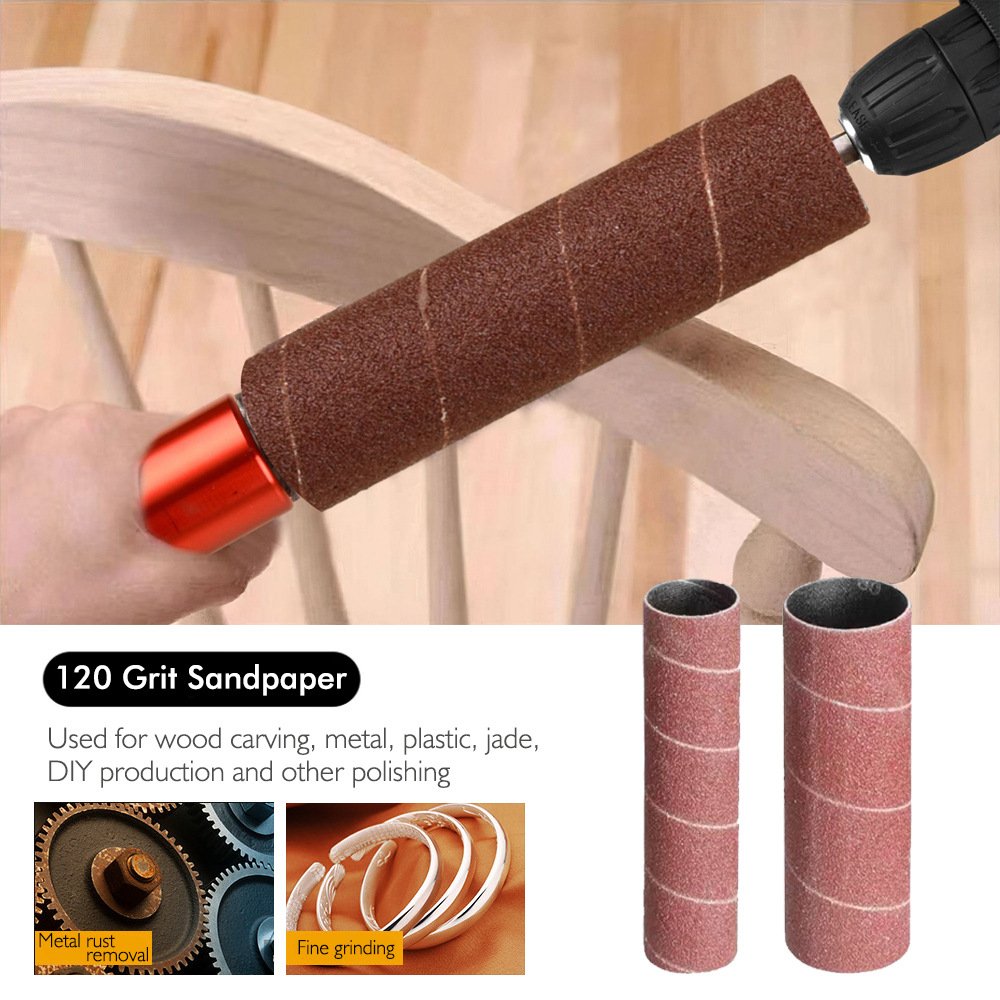
Yes. When loaded with a coarse grit belt, the linear movement of the tool excels at aggressively scabbing away deep oxidation, scale, and old paint coatings from metal surfaces without flat-spotting round tool parts.
Replacing the abrasive loop requires zero tools. Simply push the spring-loaded tracking head inward to compress the mechanism, slip the spent loop off, drop the fresh belt over the pulleys, and let go.
No. The main body utilizes heavy steel structural reinforcing plates weighing 790g. It is designed specifically to withstand high lateral side loads without deforming or drifting away from your line.