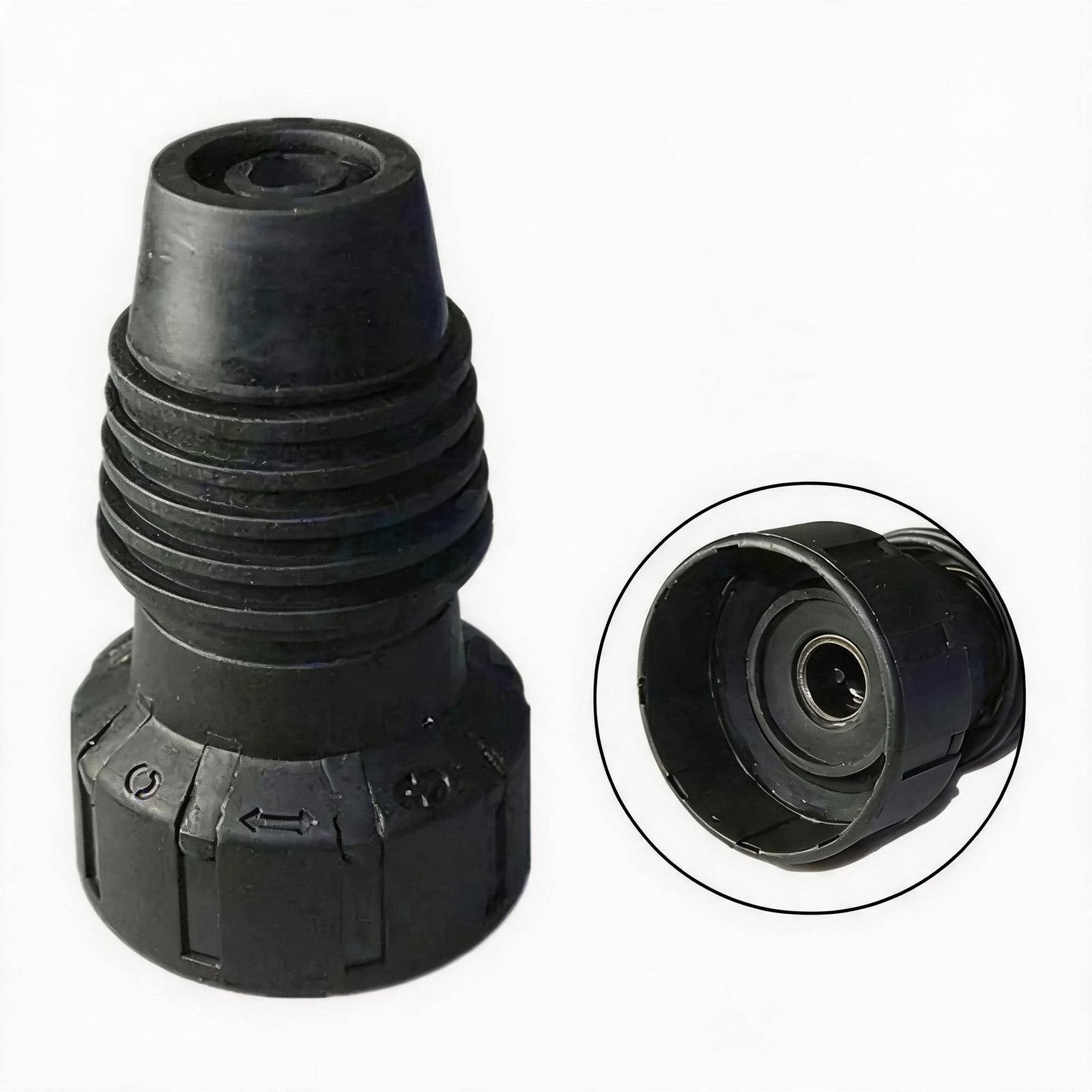
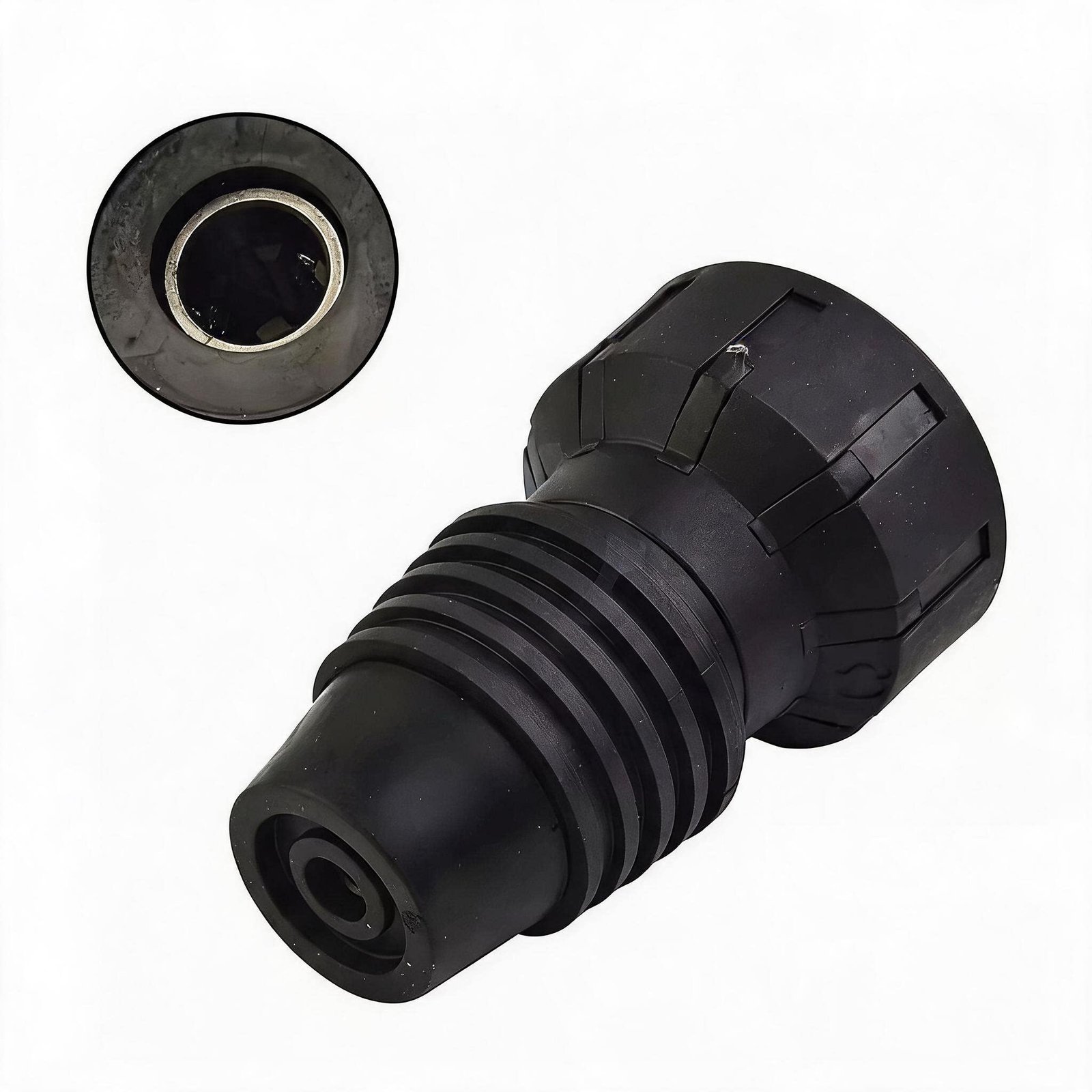
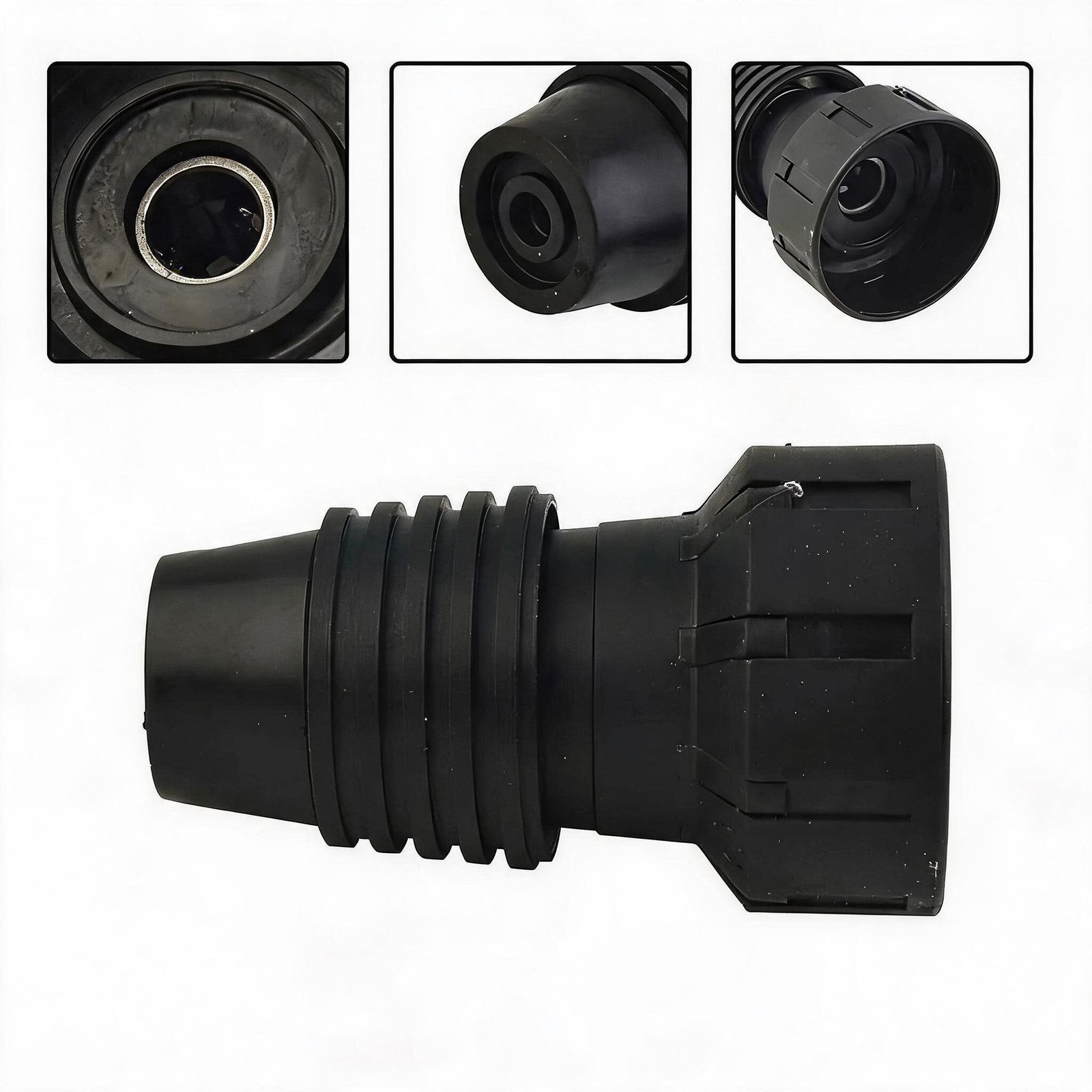
Product Overview
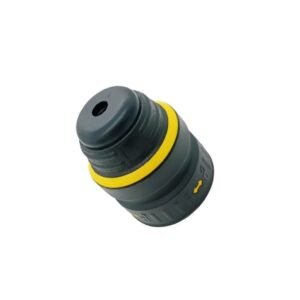
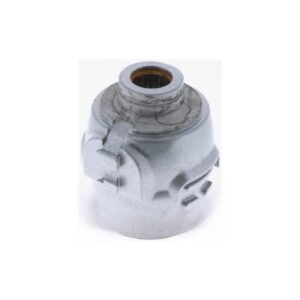
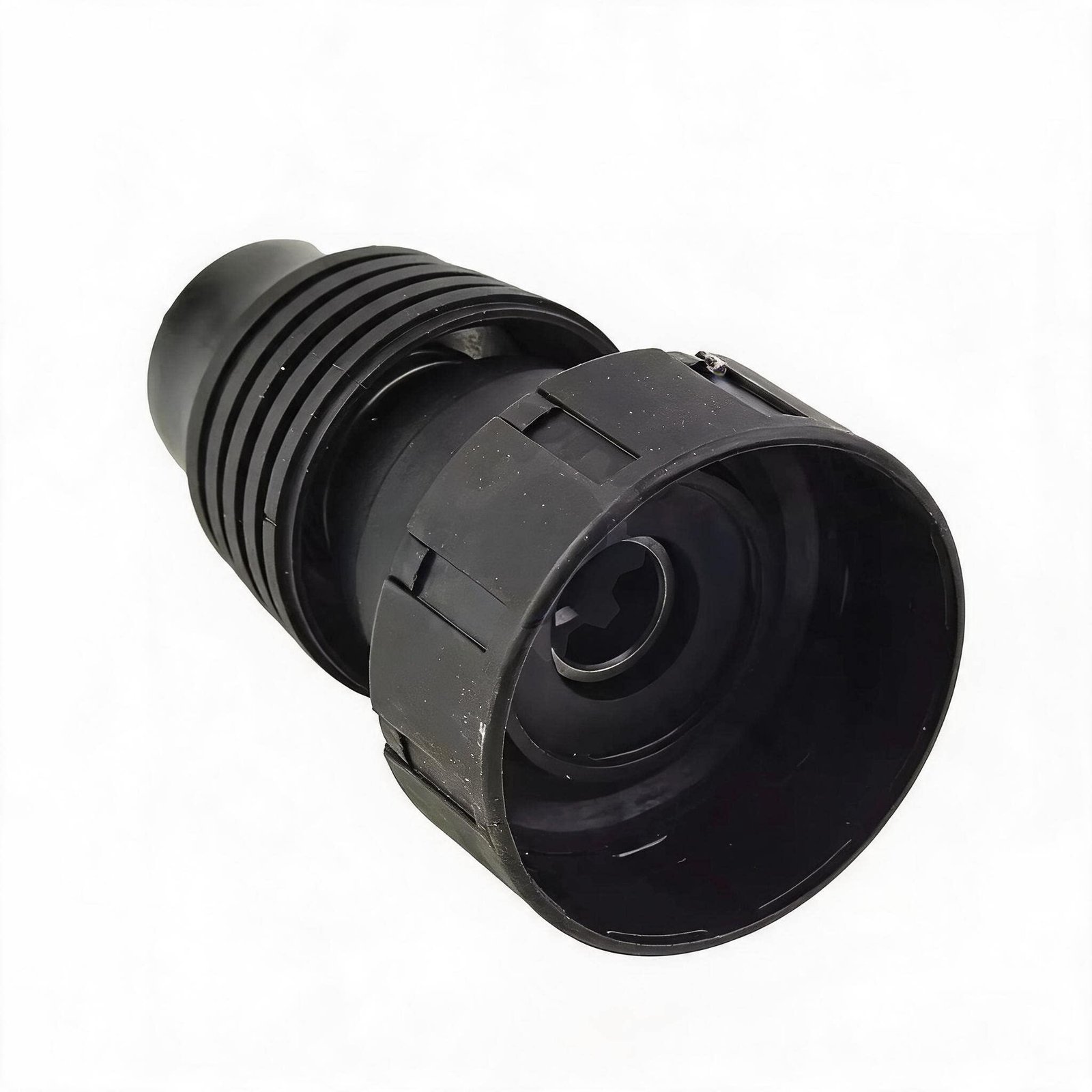
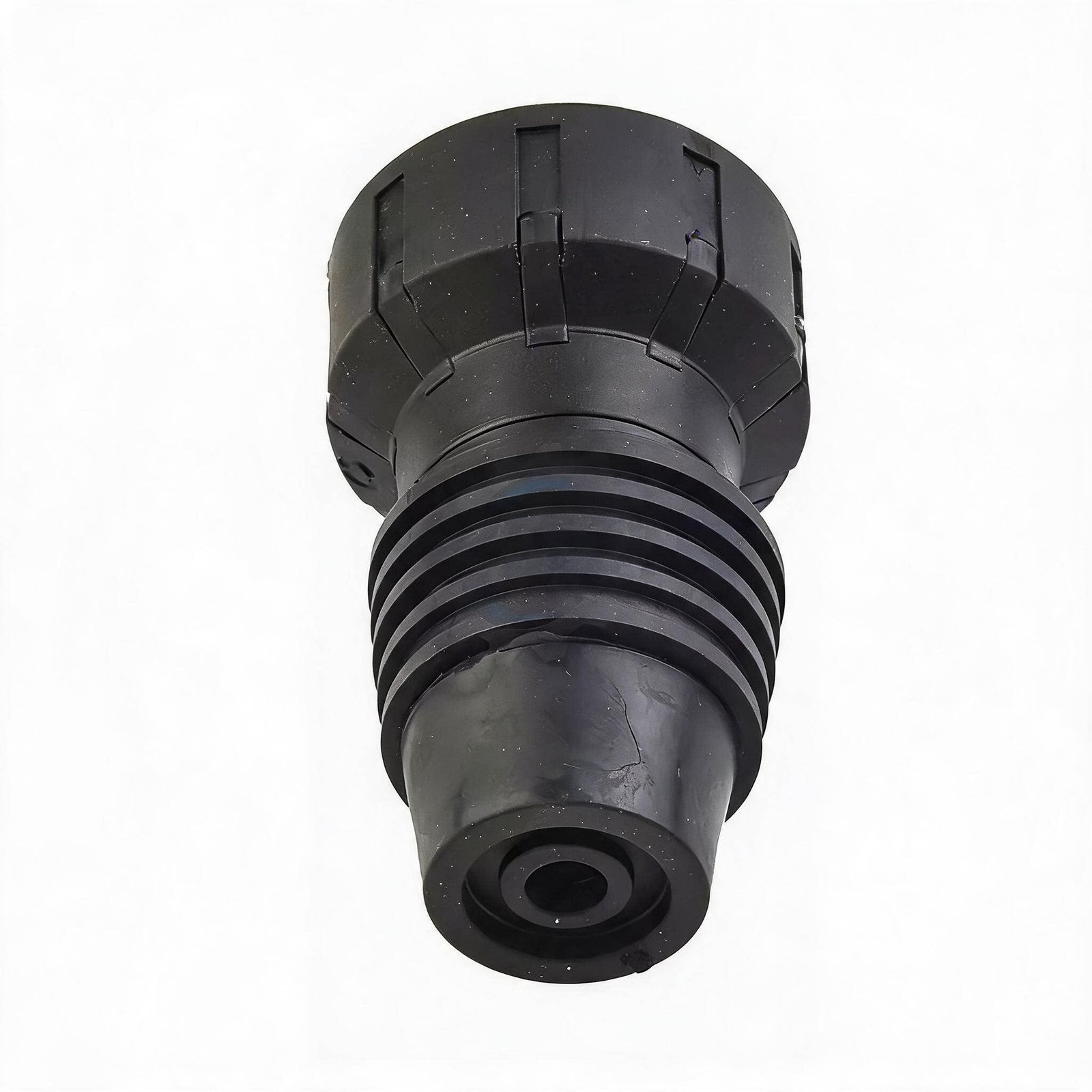
The TE24 SDS Plus Rotary Hammer Chuck is a precision-engineered direct-fit replacement for the SDS Plus (TE-C) chucks used on TE24, TE25, and TE25-T rotary hammer platforms. This complete chuck assembly restores factory-spec bit retention and hammer drilling performance to tools suffering from worn locking mechanisms, bit slippage, or contamination-related failures.
Designed for professional repair technicians and equipment maintenance specialists, this chuck features the standard SDS Plus (TE-C) shank interface – enabling tool-free bit changes with positive locking engagement. The hardened steel construction and precision-ground internal components deliver the durability required for continuous hammer drilling into concrete, masonry, and other high-impact applications.
Key Specifications: Inner diameter: 17mm (0.67″) | Outer diameter: 70mm (2.76″) | Total length: 115mm (4.53″) | Weight: 450g (0.99 lbs)[reference:0][reference:1]
💡 Pro Tip – Pre-Installation Diagnostic: Before replacing the chuck, test bit retention with a known-good SDS Plus bit. Insert the bit fully – you should hear a distinct click and feel positive engagement. If the bit pulls out without pressing the release collar, the internal locking mechanism has failed. Additionally, inspect the bit shanks for wear – mushroomed or deformed shanks can damage a new chuck. Always disconnect the tool from power and remove the battery before beginning disassembly.
Diagnostic & Fitment – When to Replace
Specification Comparison
| Specification | Worn / Generic Aftermarket | FixPartHub Precision Replacement ✅ |
|---|---|---|
| Bit Retention Force | Weak or inconsistent – bits slip under load | Positive locking – OEM-spec retention |
| Locking Mechanism Material | Low-grade steel – rapid wear | Hardened steel – extended service life |
| Release Collar Operation | Stiff, sticky, or seized | Smooth operation – tool-free bit changes |
| Internal Contamination Resistance | Prone to debris ingress and jamming | Sealed design – resists dust and debris |
| Compatibility | Vague or incorrect fitment claims | TE24 / TE25 / TE25-T – direct-fit guaranteed |
Teardown & Replacement Workflow
Compatibility – Cross-Reference & OEM Part Numbers
Diagnostic Q&A
❓ Q: My SDS Plus bits keep falling out of the chuck – is this a chuck problem or a bit problem?
A: Test with a known-good SDS Plus bit. If the bit locks securely, the issue is with your bits – inspect for mushroomed or deformed shanks. If the problem persists across multiple bits, the chuck’s internal locking mechanism has worn or failed – requiring replacement of the chuck assembly.
❓ Q: How do I remove the old chuck from my TE25 rotary hammer?
A: Pull the lock ring (release collar) toward the rear of the tool. Hold it in this position and pull the chuck forward off the spindle[reference:3]. If the chuck is stuck, apply penetrating oil to the interface and allow it to soak before attempting removal. Never use excessive force – this can damage the spindle.
❓ Q: Will this chuck fit my TE24 rotary hammer?
A: Yes. This TE24 SDS Plus chuck is engineered as a direct-fit replacement for TE24, TE25, and TE25-T rotary hammer platforms[reference:4][reference:5]. The SDS Plus (TE-C) interface is standard across this platform family.
❓ Q: What causes SDS Plus chucks to fail prematurely?
A: The most common causes are: (1) debris contamination from concrete dust and masonry particles entering the locking mechanism, (2) use of worn or deformed bits that damage the internal locking components, (3) lack of lubrication on the SDS Plus shank interface, and (4) normal wear of the locking balls and spring mechanism after extended use[reference:6].
Safety Notes
- 🔴 Always disconnect the tool from power – remove the battery pack (cordless) or unplug from mains (corded) before beginning any chuck removal or installation procedure.
- 🧤 Wear appropriate PPE – safety glasses and cut-resistant gloves when handling chucks and drill bits.
- 🔧 Clean the spindle interface thoroughly before installing the new chuck – debris can prevent proper seating and cause premature wear.
- 📐 Test bit retention before operating the tool – insert a bit and verify positive locking before use.
- ⚡ Never operate the tool with a chuck that fails to lock bits securely – this creates a dangerous projectile hazard.
- ✅ Lubricate SDS Plus shanks regularly with a light coat of grease to reduce wear on the chuck’s internal locking components[reference:7].
A: Insert a known-good SDS Plus bit into the chuck. You should hear a distinct click and feel positive engagement. If the bit pulls out without pressing the release collar, or if there is excessive lateral play, the chuck’s internal locking mechanism has failed. Additionally, if the release collar is stiff or stuck, the chuck is contaminated or worn and requires replacement.
A: Yes. This TE24 SDS Plus chuck is engineered as a direct-fit replacement for TE24, TE25, and TE25-T rotary hammer platforms. The SDS Plus (TE-C) interface is standard across this platform family
A: SDS Plus (TE-C) chucks are designed for lighter-duty rotary hammers up to approximately 30mm drilling capacity, featuring a 10mm shank diameter with two open grooves and two closed grooves. SDS Max chucks are for heavier-duty hammers with larger drilling capacity, featuring a larger 18mm shank diameter. This chuck is SDS Plus (TE-C) specification – verify your tool’s shank type before ordering.
A: In some cases, a sticking chuck can be revived with thorough cleaning. Remove the chuck from the tool, soak it in penetrating oil or a solvent-based cleaner, and blow out debris with compressed air. However, if the locking mechanism is worn or the chuck shows signs of internal damage, replacement is the only reliable solution.