
You are halfway through sanding a hardwood tabletop, and your orbital sander suddenly loses power. You squeeze the trigger again—nothing happens, or worse, a shower of bright white sparks shoots out from the rear vents accompanied by the smell of burning ozone. Do not throw the tool in the trash.
Your sander isn’t dead. It just suffocated on its own dust, and the carbon brushes have worn down to the wire.
Replacing the brushes is a 5-minute fix that costs a fraction of a new tool. This guide covers everything you need to know about diagnosing motor failure and installing premium aftermarket N292059 / N421468 carbon brushes to get your 5-inch random orbit sander back to work.
1. The Diagnosis: Is It Really the Carbon Brushes?
Woodworking creates ultra-fine dust. Even with a shop vac attached, microscopic particles bypass the seals and pack into the motor housing. Over time, this dust acts like sandpaper against the carbon brushes. You know it is time for a replacement when you experience:
- Intermittent Power: The sander only turns on if you tap the side of the housing.
- Excessive Sparking: A continuous ring of fire around the commutator (the copper cylinder inside the motor).
- Sluggish RPMs: The pad spins, but the tool bogs down immediately when pressed against wood.
- Sudden Death: Completely unresponsive motor with no humming sound.
2. OEM vs. Premium Aftermarket: Making the Right Choice
When searching for replacement parts like the N292059 or N421468, woodworkers face a choice. Original OEM parts are often on backorder or carry a massive markup. Ultra-cheap generic brushes from anonymous sellers use hard, low-grade graphite that will instantly scratch and destroy your copper commutator.
The sweet spot is a premium aftermarket brush designed to exact OEM specifications. The aftermarket N292059 / N421468 brushes we stock at FixPartHub use the correct medium-density graphite. This ensures they bed in quickly, transfer electricity efficiently, and wear down evenly without scoring the expensive armature inside your compatible orbital sander.
3. Compatibility: Will These Brushes Fit My Tool?
These specific N292059 and N421468 aftermarket carbon brushes are engineered as direct replacements for highly popular 5-inch random orbit sanders. They are heavily used in professional cabinet shops and DIY garages alike. They seamlessly fit compatible models including the DWE6421, DWE6421K, DWE6423, and DWE6423K series.
4. Step-by-Step N292059 / N421468 Replacement Tutorial
You do not need a degree in electrical engineering to do this. Grab a T-20 Torx screwdriver and a small flathead.
- Kill the Power: Unplug the sander. Never open a tool that is plugged in.
- Remove the Top Cap: Unscrew the four Torx screws holding the top housing cover. Lift the cap straight up to expose the motor commutator and the two brush holders on either side.
- Release the Springs: Use your small flathead screwdriver to gently push the coil spring off the back of the old carbon brush. Rest the spring on the side of the plastic holder.
- Swap the Brushes: Pull the old, worn-down brush out. Slide the new aftermarket N292059 brush into the brass channel. Make sure the curved face of the brush matches the curve of the copper commutator.
- Reconnect and Close: Snap the coil spring back onto the top of the new brush to apply pressure. Route the wire lead securely so it won’t get pinched, and screw the top cap back on.
Pro Tip: Before closing the case, use compressed air to blow out all the packed sawdust inside the housing. A clean motor runs cooler and extends the life of your new brushes.
5. Alternative Evaluation: Should You Just Buy a New Sander?
A brand-new professional 5-inch orbital sander runs between $70 and $100. A set of premium aftermarket N292059 brushes costs less than a cheap lunch. Unless the copper commutator is deeply grooved, missing bars, or the plastic housing is melted from extreme heat, repairing the tool is always the smarter, more economical choice.
Don’t let a simple wear-and-tear part ruin your weekend project. Grab a set of replacement brushes, spend five minutes on the repair, and get back to making sawdust.
Yoast FAQ
Under heavy daily use in a professional cabinet shop, carbon brushes typically last 6 to 12 months. For a weekend DIY woodworker, a premium set of replacement brushes can easily last 3 to 5 years before needing to be changed again.
No. You must always replace carbon brushes in pairs. If you mix an old brush with a new one, the unequal spring tension and electrical resistance will cause severe arcing, which will rapidly burn out the motor’s commutator and permanently destroy the tool.
A tiny amount of faint smoke or a slight burning smell during the first 60 seconds is normal. This is called ‘seating’ or ‘bedding in,’ where the flat carbon brush shapes itself to the curve of the commutator. However, if the tool billows heavy smoke or trips your circuit breaker, stop immediately—your motor’s armature is likely short-circuited and dead.
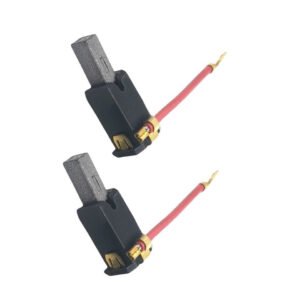
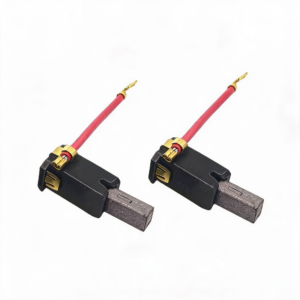
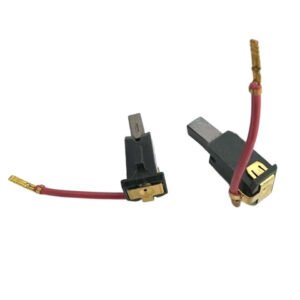
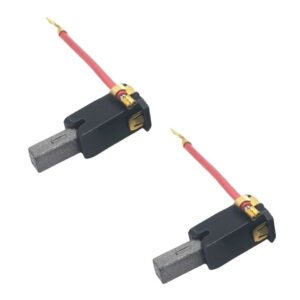
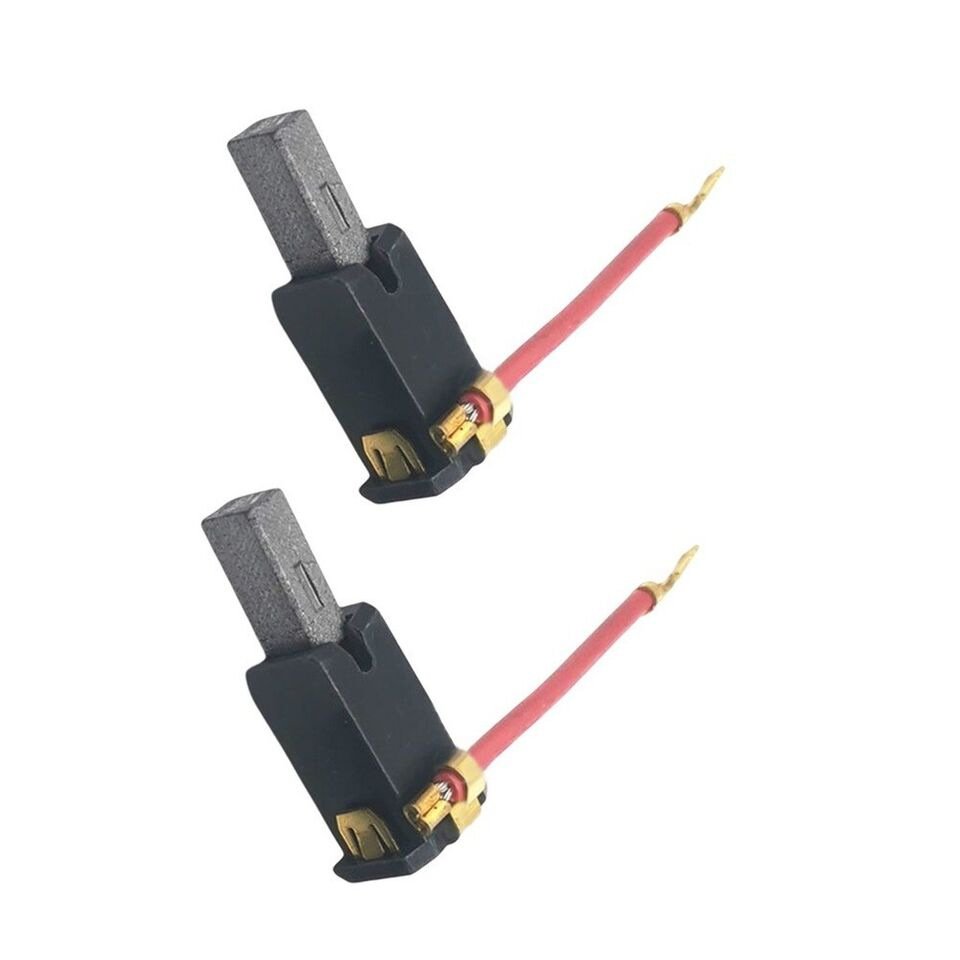
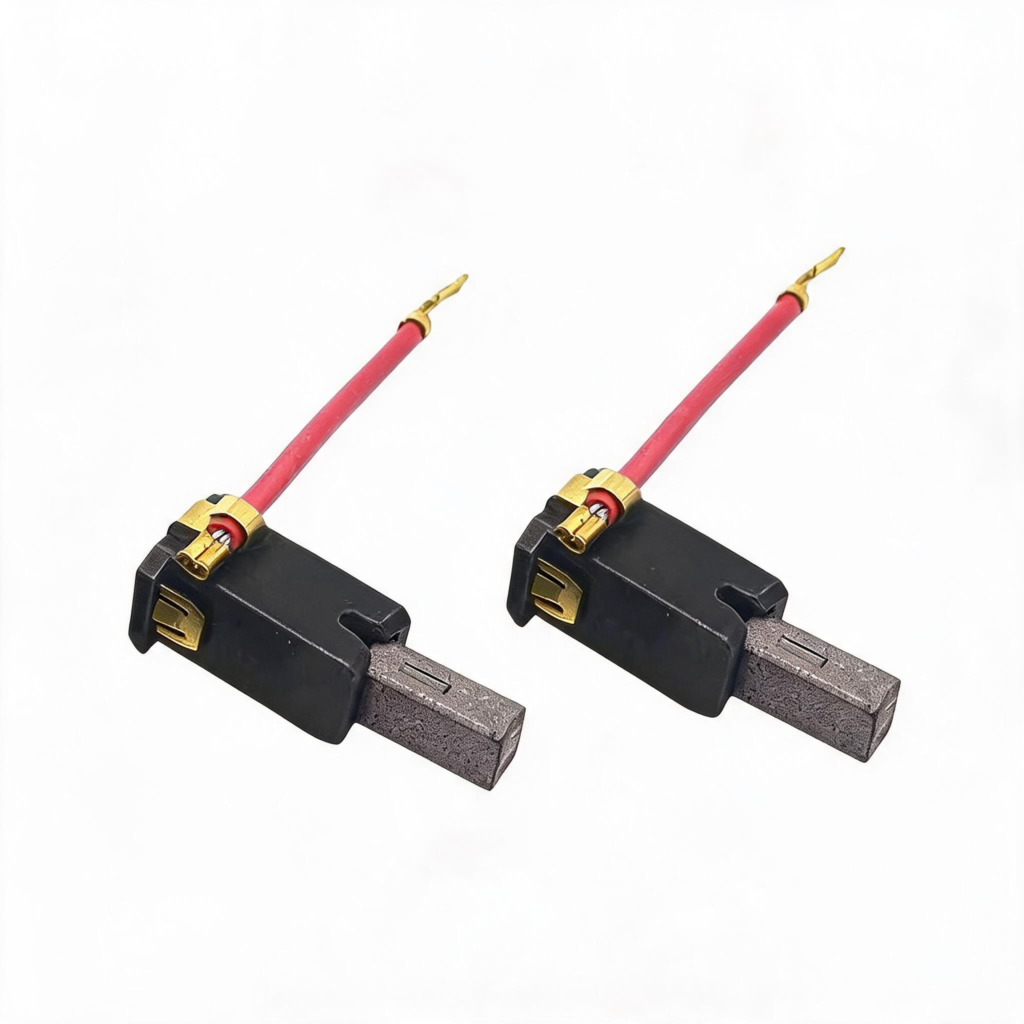
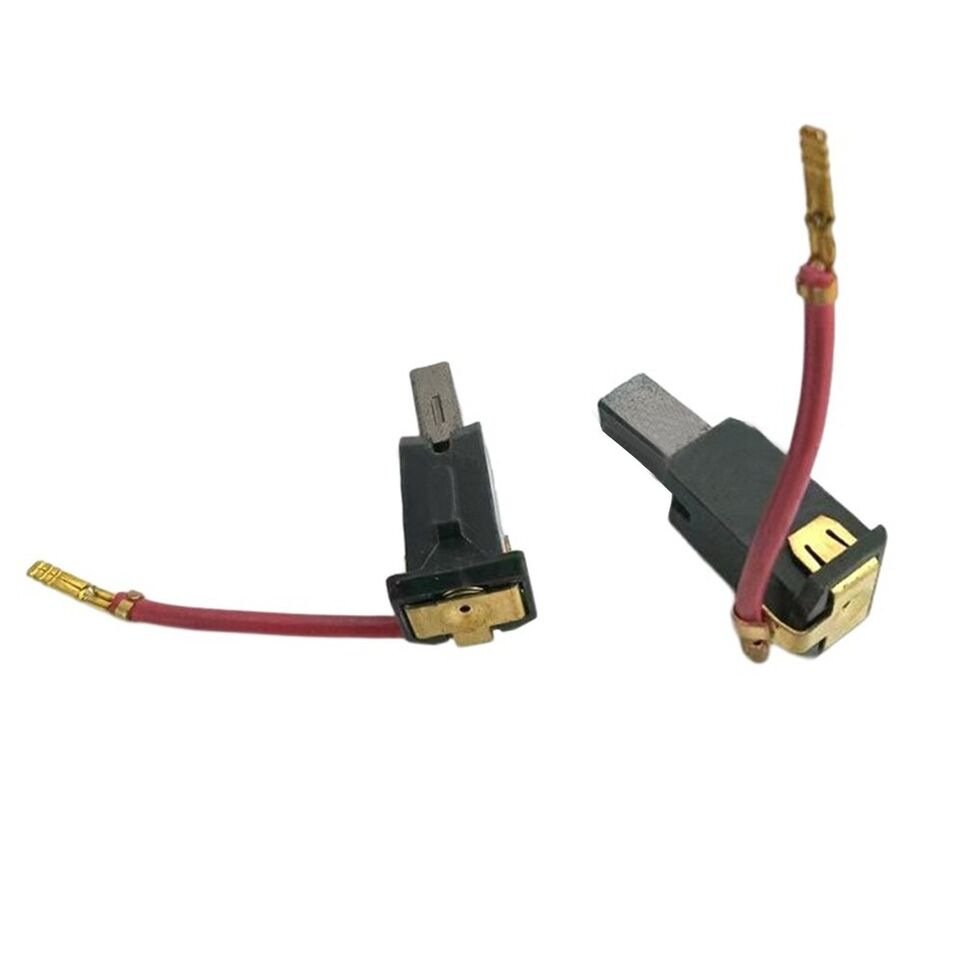
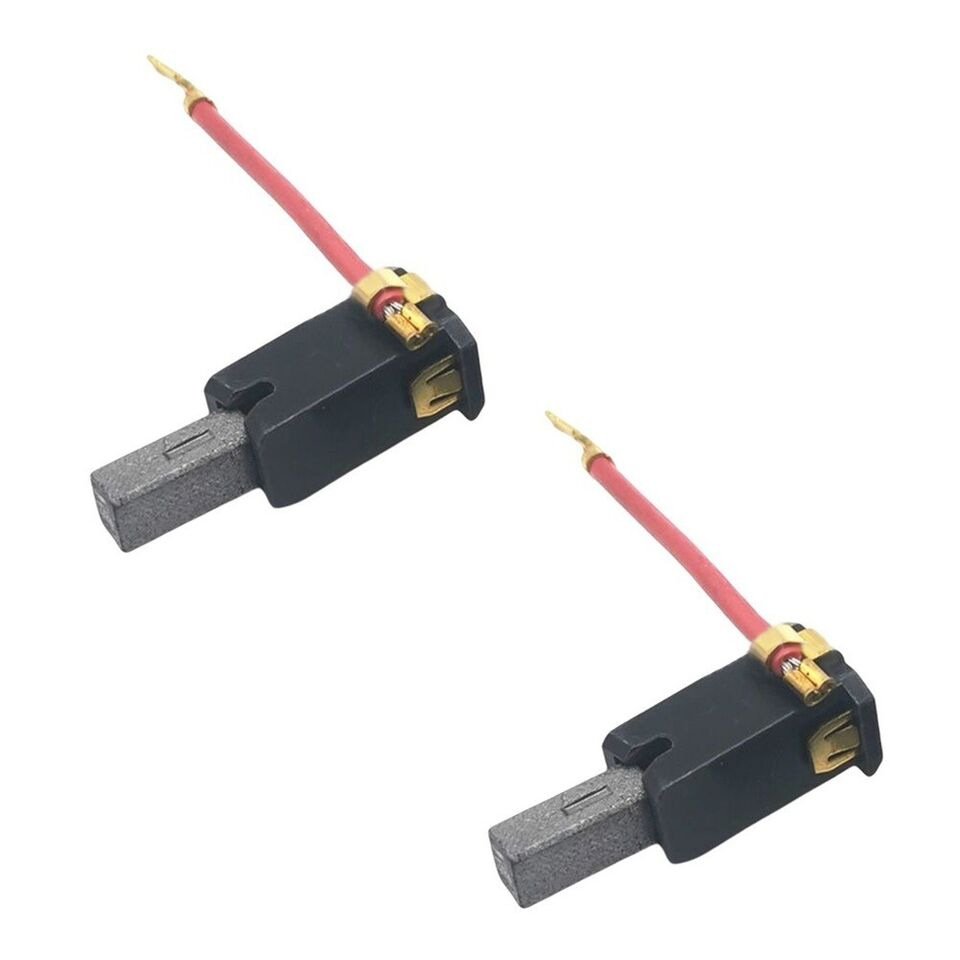
Premium Aftermarket N292059 N421468 Carbon Brushes Compatible with DWE6411 DWE6421 Orbital Sanders | FixPartHub
- ✔ Exact Fit Replacement: Premium aftermarket carbon brushes designed to directly replace OEM part numbers N292059 and N421468.
- ✔ Broad Sander Compatibility: Engineered for 1/4 sheet and random orbit sanders. Fully compatible with models DWE6411, DWE6411K, DWE6420, DWE6421, DWE6421K, DWE6423K, and CMEW231.
- ✔ Dust-Resistant Spring Tension: Upgraded heavy-duty coil springs ensure the carbon block maintains constant contact with the armature, even in environments heavily contaminated by fine sawdust.
- ✔ Restore OPM Performance: The ultimate fix for orbital sanders that randomly stall, lose rotational torque when pressed against wood, or emit electrical burning smells.
- ✔ High-Density Graphite: Crafted from a specialized graphite blend to withstand the high-frequency vibrations (up to 12,000 OPM) of professional finishing sanders, reducing commutator wear.
| Buy More, Save More | Quantity | Discount |
|---|---|---|
| Bulk Discount | 2 | 5% |
| Bulk Discount | 3 – 5 | 10% |
| Bulk Discount | 6 – 19 | 15% |