
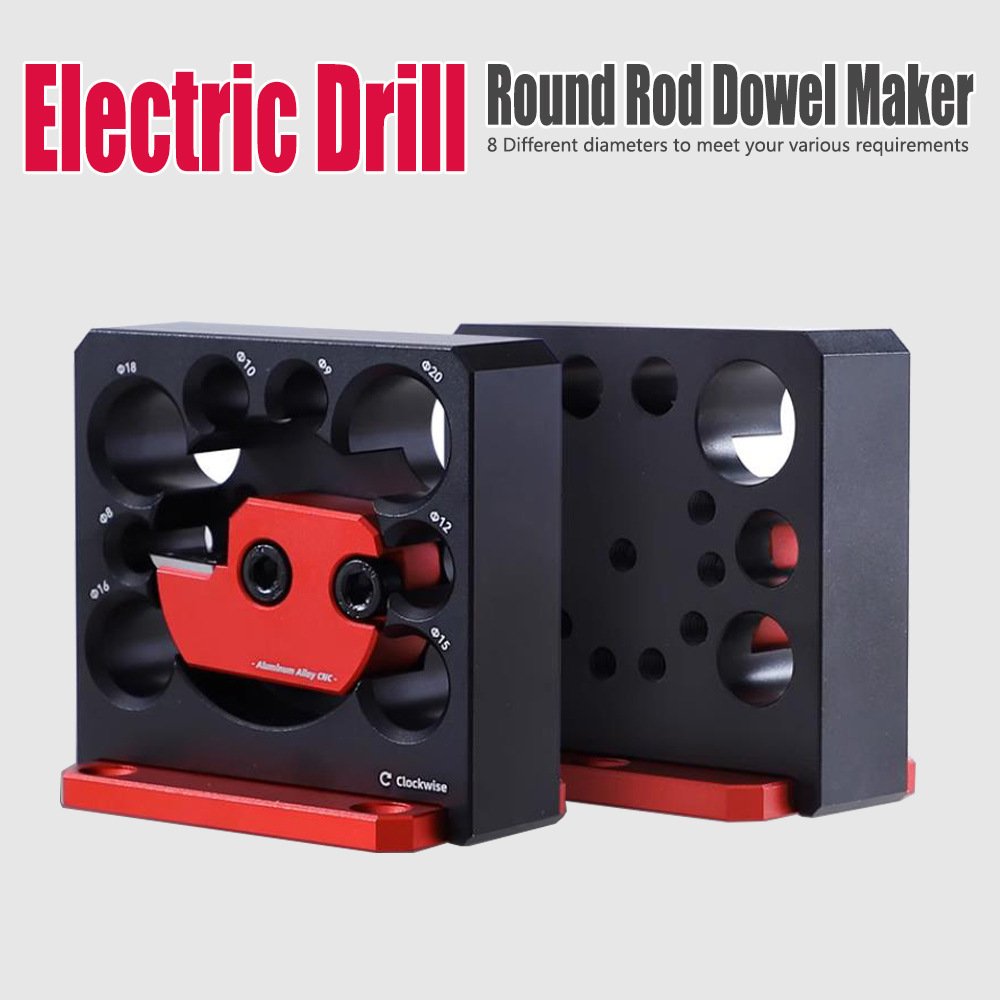
Every serious woodworker has faced this frustration. The solution isn’t paying ridiculous prices for exotic dowels — it’s taking control of your own scrap bin. The Adjustable Dowel Maker Jig transforms your standard power drill into a miniature, bench‑mounted lathe that turns square offcuts of any species into perfectly round, glue‑ready dowels in seconds.
This guide walks through the complete setup, calibration, and maintenance workflow for the jig — so you can start producing custom hardwood dowels that match your grain, your budget, and your joinery specs.
Symptom Awareness — Why Traditional Dowel Sourcing Is Failing You
If you’re still buying commercial dowels or hammering blanks through steel plates, you’re dealing with a familiar set of frustrations:
- Cost inflation: Premium hardwood dowels often cost $3–$5 each — that’s $60+ for a single project’s worth of joinery pins.
- Species mismatch: Commercial dowels are almost always birch, pine, or poplar — not walnut, cherry, mahogany, or oak. They stand out like sore thumbs in fine furniture.
- Inconsistent diameters: Even if you find the right species, diameters vary between batches. A 1/4″ dowel from one supplier might be 6.30mm, while another is 6.40mm — enough to split a joint or spin loose.
- Hammering frustration: Traditional steel dowel plates require brute force. You hammer the blank through a hole, and the result is often crushed fibers, splintered ends, and a rough surface that compromises glue adhesion.
- Scrap waste: Every workshop has a bin full of offcuts from premium projects. Those offcuts represent money sitting in the corner — money that could become your next batch of dowels.
If any of these sound familiar, it’s time to upgrade to a drill‑powered dowel milling system.
Diagnostic Setup — Is This Jig Right for Your Workflow?
Before you mount the jig, run through this quick diagnostic to confirm compatibility and identify potential setup hurdles:
A standard 18V or 20V cordless drill driver works perfectly. Do not use an impact driver — the hammering action will shatter the wood blank. Set your drill to higher speed but feed the wood forward at a moderate, steady pace.
Your square stock should be ripped on a table saw or band saw to a size slightly larger than your target dowel diameter. Aim for 1/8″ to 3/16″ oversized. Taper one end with a knife or sander to feed cleanly into the jig.
The blank must have straight grain running end‑to‑end. If the grain runs diagonally (runout), the spinning action will cause the stick to snap violently inside the jig — a frustrating and potentially dangerous failure mode.
Specification Comparison — Drill‑Powered Precision vs. Traditional Steel Plates
Here’s how the FixPartHub Adjustable Dowel Maker Jig stacks up against old‑school dowel plates and cheap generic alternatives:
| Parameter | Traditional Steel Dowel Plate | FixPartHub Precision Jig ✅ |
|---|---|---|
| Driving Force | Hammer — exhausting, slow, crushes fibers | Drill‑powered — clean, fast, repeatable |
| Cutting Action | Forced extrusion — splintering, rough surface | Carbide shaving — smooth, glue‑ready finish |
| Diameter Adjustability | Single size per plate — need 4+ plates for common sizes | Multi‑size dial — switch in seconds |
| Surface Finish | Rough — needs sanding or planing | Smooth — ready for glue‑up or light 220‑grit sand |
| Stock Length Efficiency | Requires long stock for hammering leverage | Can mill 4‑5″ minimum — use offcuts effectively |
Teardown & Setup Workflow — From Box to First Dowel
Follow this step‑by‑step sequence to mount the jig, configure the cutting head, and mill your first dowel:
Secure the 500g aluminum body firmly in your bench vise. Ensure the exit hole is clear and the jig is parallel to the vise jaws. A loose mount will produce oval or inconsistent dowels.
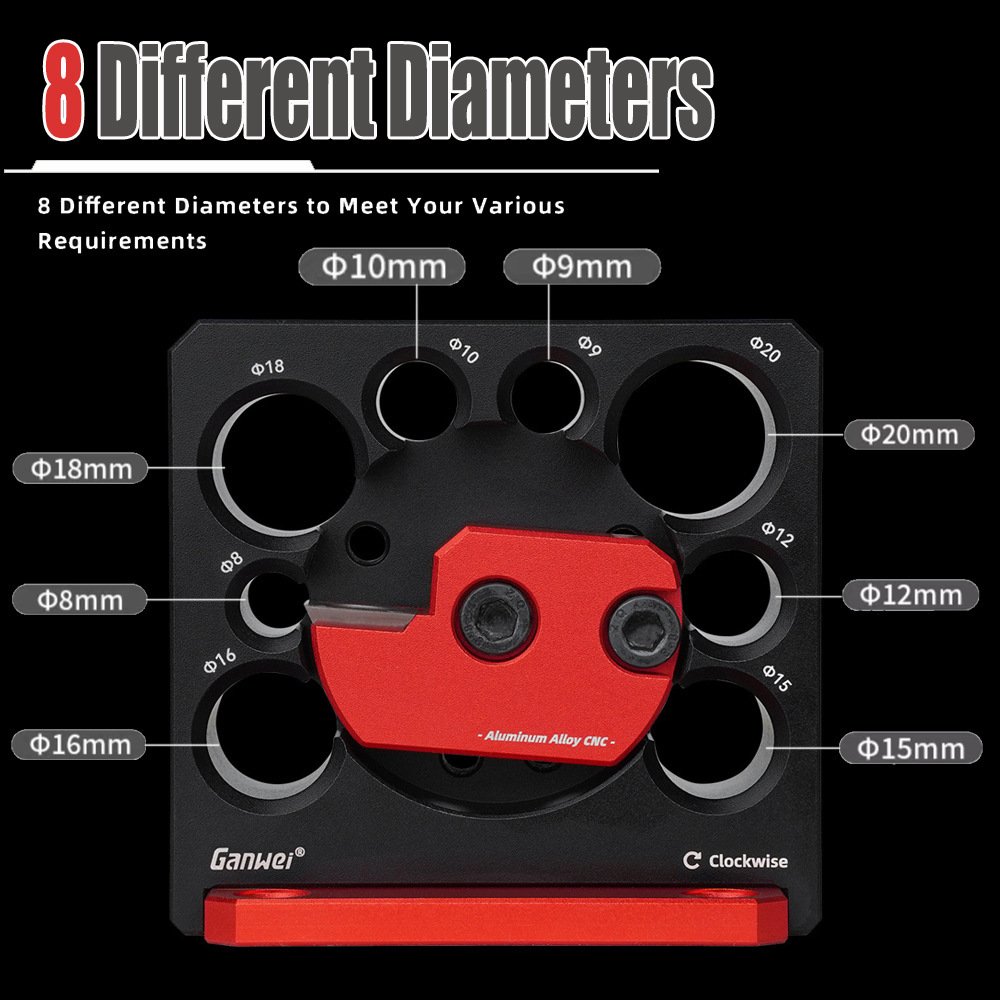
Rotate the adjustable sizing plate to your target dowel diameter. The carbide cutter should be positioned directly against the cutting aperture. If the gap is too large, the dowel will be oversized — too small and it will burn or jam.
Rip a square stick slightly larger than your target diameter. Taper the leading end for a clean feed. Ensure straight grain — any runout will snap the blank.
Chuck the non‑tapered end into your drill. Turn the drill on (moderate RPM) and slowly feed the spinning stick through the cutting hole. A perfectly round rod will emerge from the exit side.
Reassembly & Calibration — Maintaining Your Dowel Maker
After milling, follow this maintenance and calibration protocol to keep the jig performing at its best:
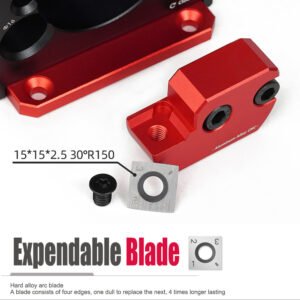
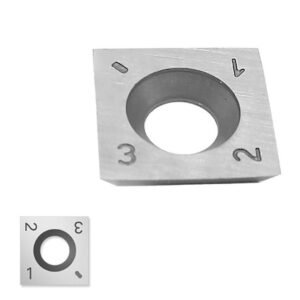
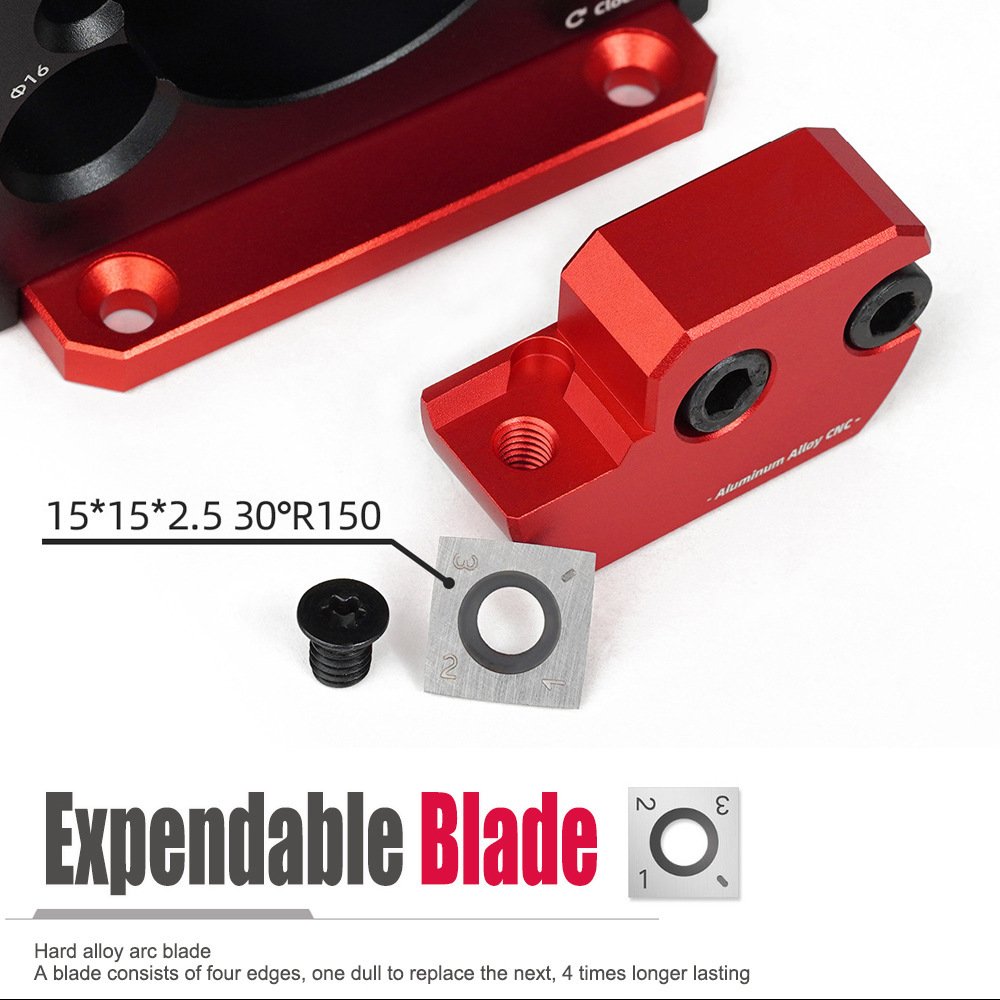
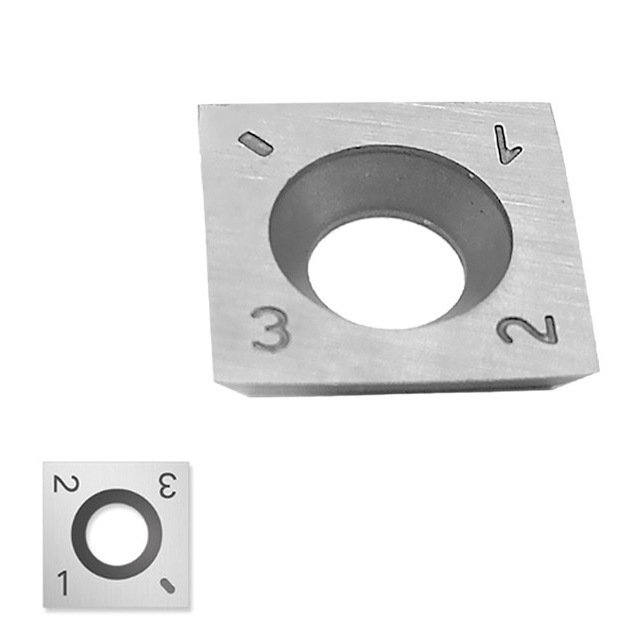
- Carbide blade rotation: The jig uses standard indexable carbide inserts. When one edge dulls, loosen the mounting screw with the included hex key, rotate the blade 90° to expose a fresh edge, and retighten. A full spare blade is included in the kit.
- Surface verification: After milling a batch, inspect the dowel surface. If you see chatter marks or ridges, the carbide edge is either dull or the cutter is misaligned with the aperture. Re‑adjust the dial and check blade engagement.
- Cleaning: Wood resin will accumulate on the carbide blade and the jig body. Clean with a brass wire brush after each session. Built‑up resin reduces cutting efficiency and increases heat generation.
- Post‑milling handling: Freshly milled dowels are smooth but may have a slightly burnished surface from the carbide edge. Some woodworkers prefer to give the finished dowel a quick 5‑second hand rub with 220‑grit sandpaper to create slight texture for glue adhesion — but this is optional for most joinery.
- Preventative maintenance: After every 50‑60 dowels, check the carbide insert for wear. Rotate or replace as needed. Inspect the sizing plate for any burrs or deformation.
Yoast FAQ
❓ Q: What diameter dowels can this jig produce?
A: The adjustable multi‑size dial allows you to produce multiple dowel diameters. The exact range depends on your specific model — common sizes include 1/4″, 5/16″, 3/8″, 7/16″, and 1/2″. Rotate the dial to your target size before milling.
❓ Q: What kind of drill should I use with the dowel maker jig?
A: A standard 18V or 20V cordless drill driver works perfectly. Do not use an impact driver — the hammering action will shatter the wood blank. Set your drill to its higher speed gear, but feed the wood forward at a moderate, steady pace.
❓ Q: Can I mill extremely short pieces of wood with this jig?
A: Because part of the stick must be held inside the drill chuck’s jaws, the minimum length you can comfortably feed through the jig is approximately 4–5 inches. The recommended approach is to mill a longer 12‑inch rod and cut it down into individual dowel pins later.
❓ Q: Does the jig work with softwoods like pine or cedar, or only hardwoods?
A: The carbide blade cleanly cuts both softwoods (pine, fir, cedar) and dense exotic hardwoods (walnut, maple, oak). For softwoods, use a slightly faster feed rate to prevent fibers from tearing. The same sharpness that shaves walnut will also handle pine — but feed consistency is more critical with softwoods.
Safety & Maintenance Notes
- 🔴 Always disconnect the drill’s battery or lock off the trigger before adjusting the carbide cutter or sizing dial.
- 🧤 Wear safety glasses and a dust mask — wood shavings and dust are generated during milling. A face shield is recommended for extended sessions.
- 🔧 Check the carbide insert before each use — a dull or chipped blade will burn the wood and produce rough dowels. Replace or rotate as needed.
- 📐 Use straight‑grained stock — grain runout causes blanks to snap violently inside the jig. Inspect each blank before milling.
- ✅ Store the jig in a clean, dry place — aluminum is corrosion‑resistant, but resin buildup should be cleaned after each session.
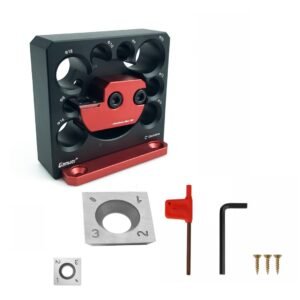
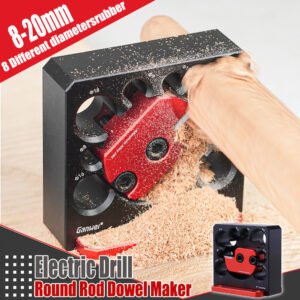

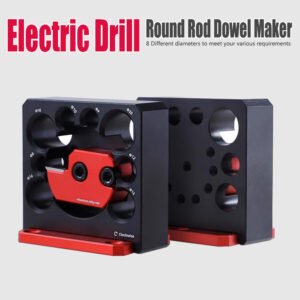
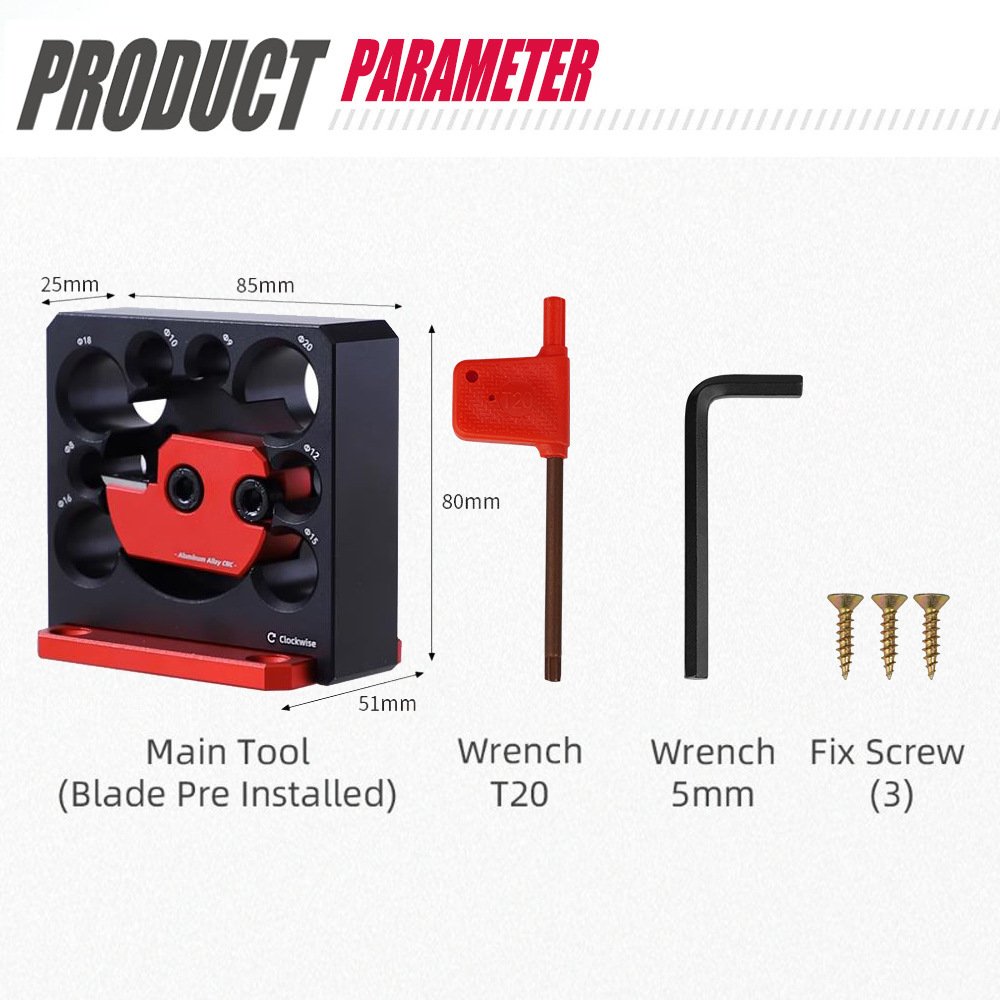
Premium Adjustable Dowel Maker Jig | Drill-Powered Wood Rod Miller | FixPartHub
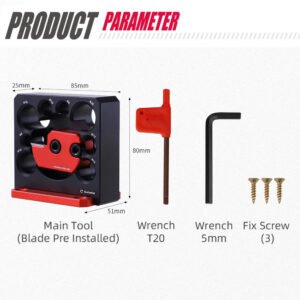
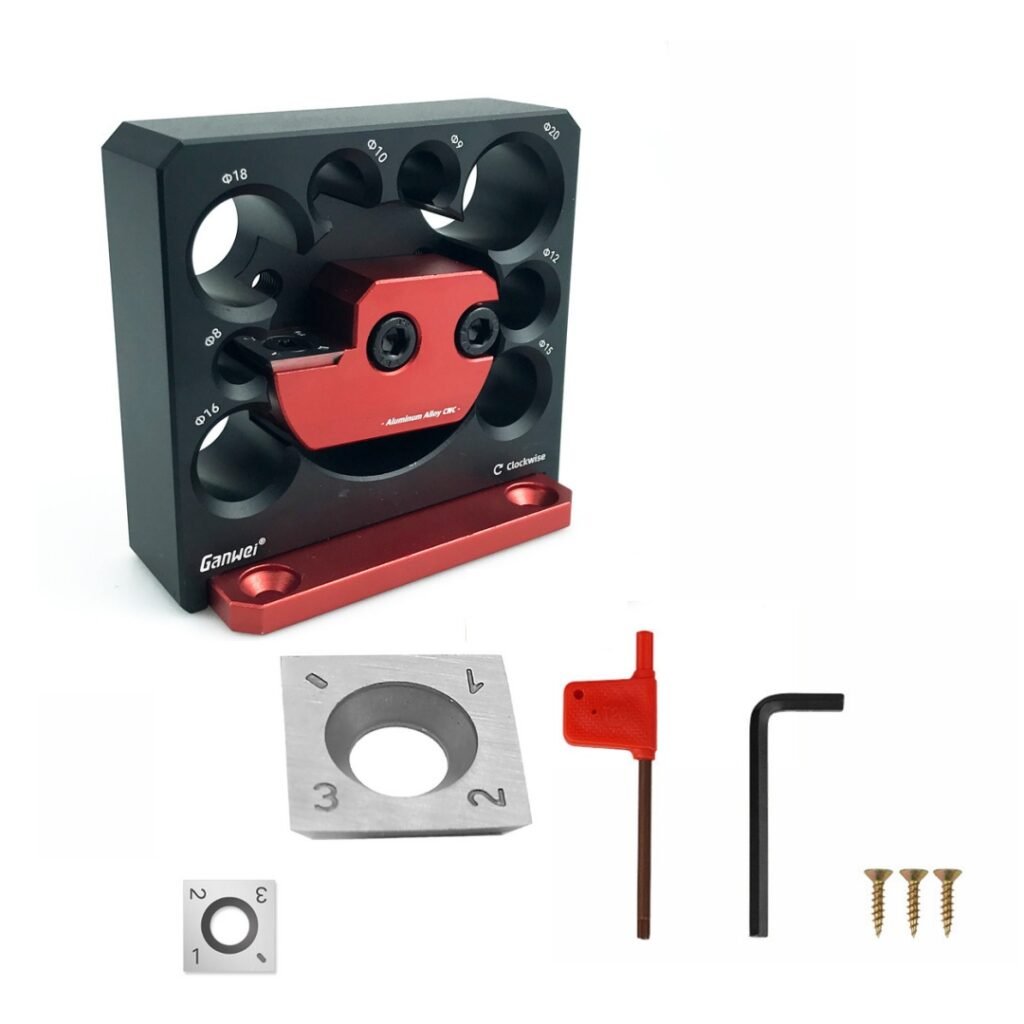
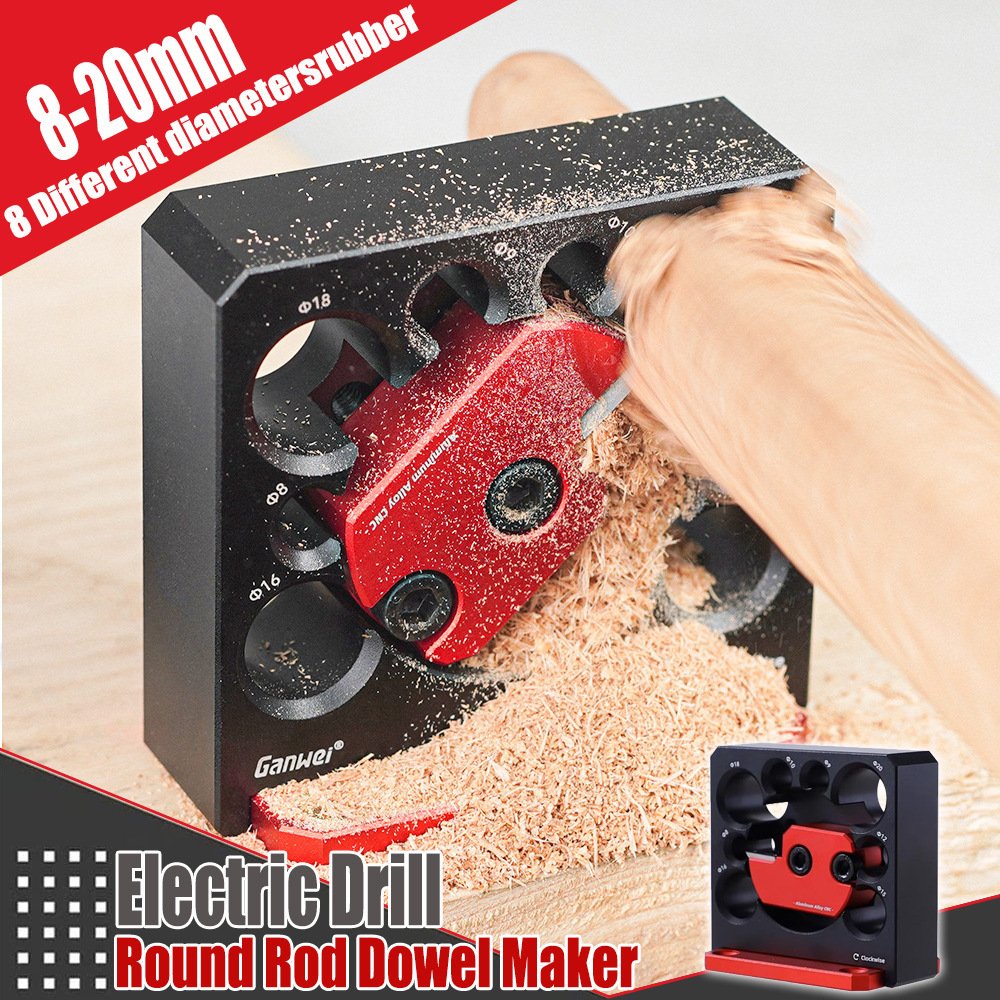
- 🔥 Turn Scrap into Premium Dowels: Stop overpaying for rare hardwood dowels. This jig allows you to mill your own perfectly round dowel pins from leftover walnut, cherry, or oak scraps using nothing but a standard power drill.
- 📐 Adjustable Multi-Size Dial: Features a rotary indexing plate that allows you to instantly switch between multiple output diameters. Carve different sized dowels for various joinery projects without buying multiple expensive dowel plates.
- 💎 Carbide Cutting Blade (+ Spare Included): Equipped with a razor-sharp, indexable carbide cutter that shaves wood fibers cleanly rather than tearing them. We include an extra replacement blade so you never experience downtime in the middle of a build.
- 🏗️ Aircraft-Grade Aluminum Body: Weighing a solid 500g, this compact powerhouse is CNC-machined from thick billet aluminum. Clamp it in your bench vise, and it remains absolutely rigid against high-torque drill turning.
- ⚡ Rapid Drill-Powered Milling: Forget hammering wood through an old-school steel plate. Simply chuck your square stock into your power drill, feed it through the jig’s guide hole, and watch it emerge as a perfectly smooth, ready-to-glue round rod in seconds.
| Buy More, Save More | Quantity | Discount |
|---|---|---|
| Bulk Discount | 2 | 5% |
| Bulk Discount | 3 – 5 | 10% |
| Bulk Discount | 6 – 19 | 15% |