
You are pushing a 12-inch sliding miter saw through a dense piece of oak framing lumber. Suddenly, the blade bogs down and completely stops, yet the motor continues to scream at full RPM. A faint smell of burning rubber fills the air. If you rely on a heavy-duty saw like the DWS780 or DHS790, experiencing this power loss mid-cut is incredibly frustrating.
Before you assume the motor is dead or the armature is fried, look at the mechanical powertrain. In 90% of these cases, the electrical system is perfectly fine. The culprit is a breakdown in friction transfer—specifically, a stripped N004510 drive pulley.
1. The Mechanics of a Bogged-Down Saw
Large sliding compound miter saws utilize a belt-driven system to transfer power from the motor to the blade arbor. The motor shaft spins the drive pulley (N004510), which rotates a multi-ribbed belt, which in turn spins the arbor pulley.
When the saw is subjected to continuous high-torque applications or operates in environments with poor dust extraction, microscopic sawdust particles infiltrate the belt guard. This debris acts as a grinding compound. Over time, the sharp v-shaped grooves on the aluminum drive pulley get sanded down until they are completely flat.
- The Tell-Tale Squeal: A high-pitched squealing noise during spin-up.
- Zero Load Resistance: The saw spins fine freely but the blade stops instantly when contacting wood.
- Burnt Rubber Odor: The motor spins the smooth pulley against a stationary belt, creating immense friction heat.
2. Evaluation: Is it the Belt or the Pulley?
Many woodworkers make the mistake of immediately buying a replacement belt (part N010943) when slipping occurs. While belts do stretch, throwing a brand-new belt onto a ruined pulley will destroy the new belt within hours.
How to inspect correctly: Remove the plastic belt cover. Remove the belt. Shine a flashlight directly onto the grooves of the motor drive pulley. Run your fingernail across the tracks. If the peaks of the grooves feel rounded over, glossy, or if the pulley surface looks almost smooth, the pulley is dead. You must replace the N004510 pulley to restore operational torque.
3. Step-by-Step Replacement Protocol
Replacing the N004510 pulley requires basic hand tools and about 20 minutes of workbench time. Follow this teardown logic:
- Kill the Power: Unplug the AC cord or drop the 60V MAX batteries. Never service the powertrain of a live tool.
- Access the Powertrain: Use a Torx driver to remove the screws holding the black plastic belt cover on the side of the motor housing.
- Walk the Belt Off: Slowly rotate the larger arbor pulley while gently pulling the belt outward to “walk” it off the tracks.
- Extract the Old Pulley: Remove the central retaining nut/screw holding the drive pulley to the motor armature shaft. You may need to grip the pulley with locking pliers (wrap it in a rag to avoid metal splinters) to prevent the motor from spinning while you loosen the nut.
- Install the Premium Replacement: Slide the new aftermarket N004510 pulley onto the keyed shaft. Apply a single drop of medium-strength blue thread-locker to the retaining screw, and torque it down securely.
- Seat the Belt: Walk the belt back onto the pulleys, ensuring the ribs align perfectly with the micro-grooves.
4. Component Selection: Restoring Factory Tolerances
When sourcing a replacement, precision is non-negotiable. The FixPartHub Premium Aftermarket N004510 Drive Pulley is CNC-machined from high-grade zinc-aluminum alloy. We engineered the multi-v grooves to exact OEM depth specifications. This guarantees a high-friction mesh with the drive belt, eliminating the slippage that ruins your cuts, and ensuring your 12″ sliding miter saw can handle pressure-treated 4x4s without a stutter.
5. Tech Q&A: Powertrain Maintenance
Should I replace the belt and pulley at the same time?
Highly recommended. A stripped pulley usually glazes the rubber belt due to friction heat. Even if the belt looks intact, the hardened rubber will not grip the new pulley effectively.
How can I prevent pulley wear in the future?
Let the saw do the work. Forcing the blade through wet or dense lumber causes RPM drops that force the belt to slip against the pulley. Additionally, hook your saw up to a proper shop vacuum; removing abrasive sawdust from the housing extends powertrain life exponentially.
Stop babying your miter saw through every cut.
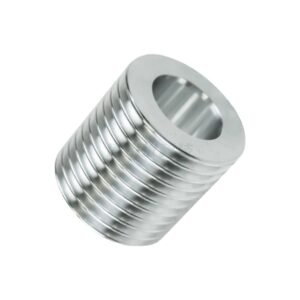
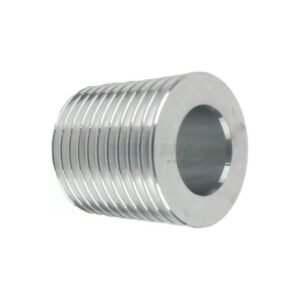
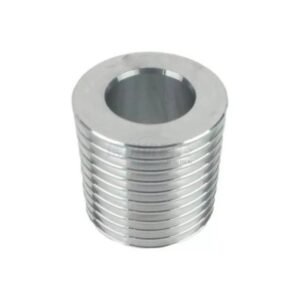
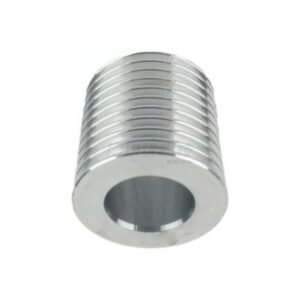
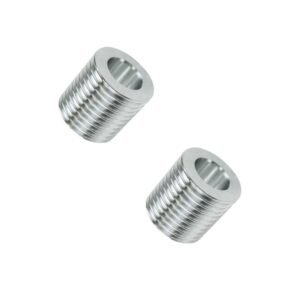
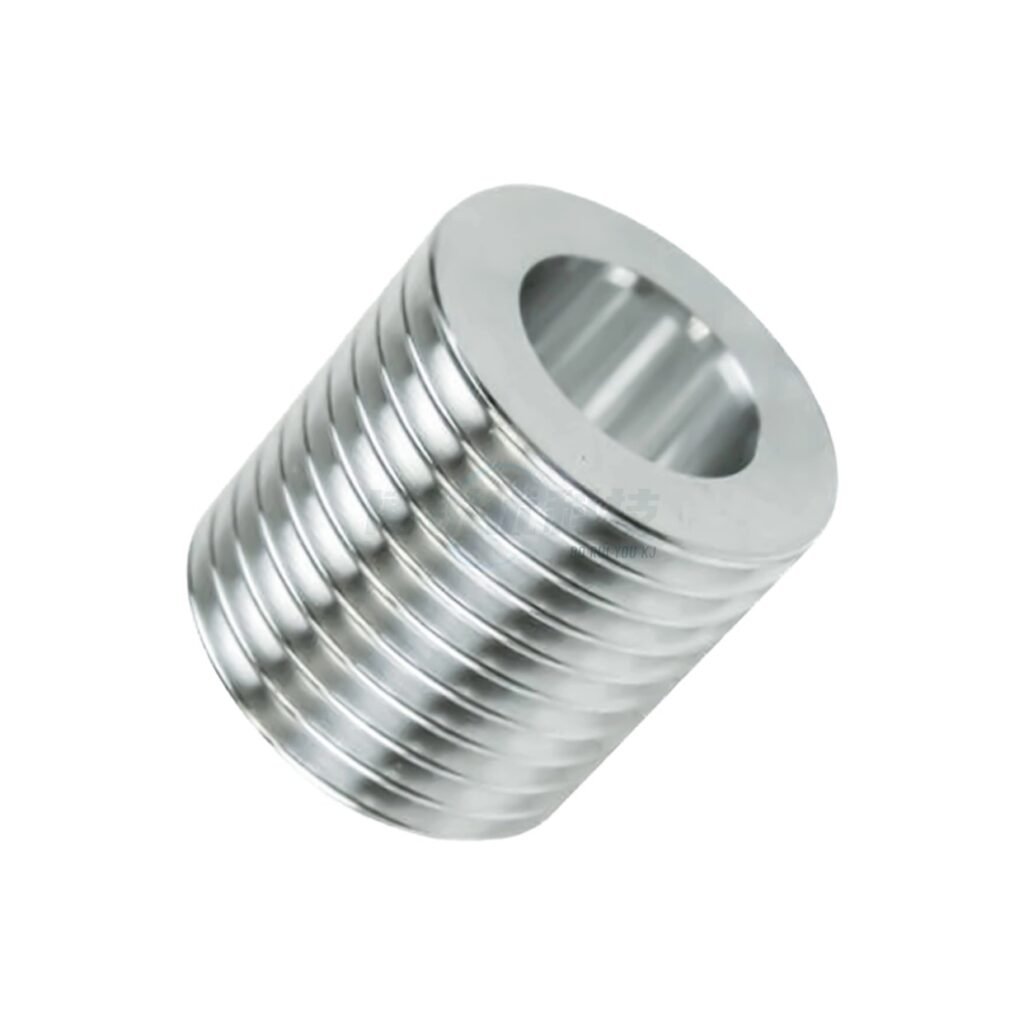
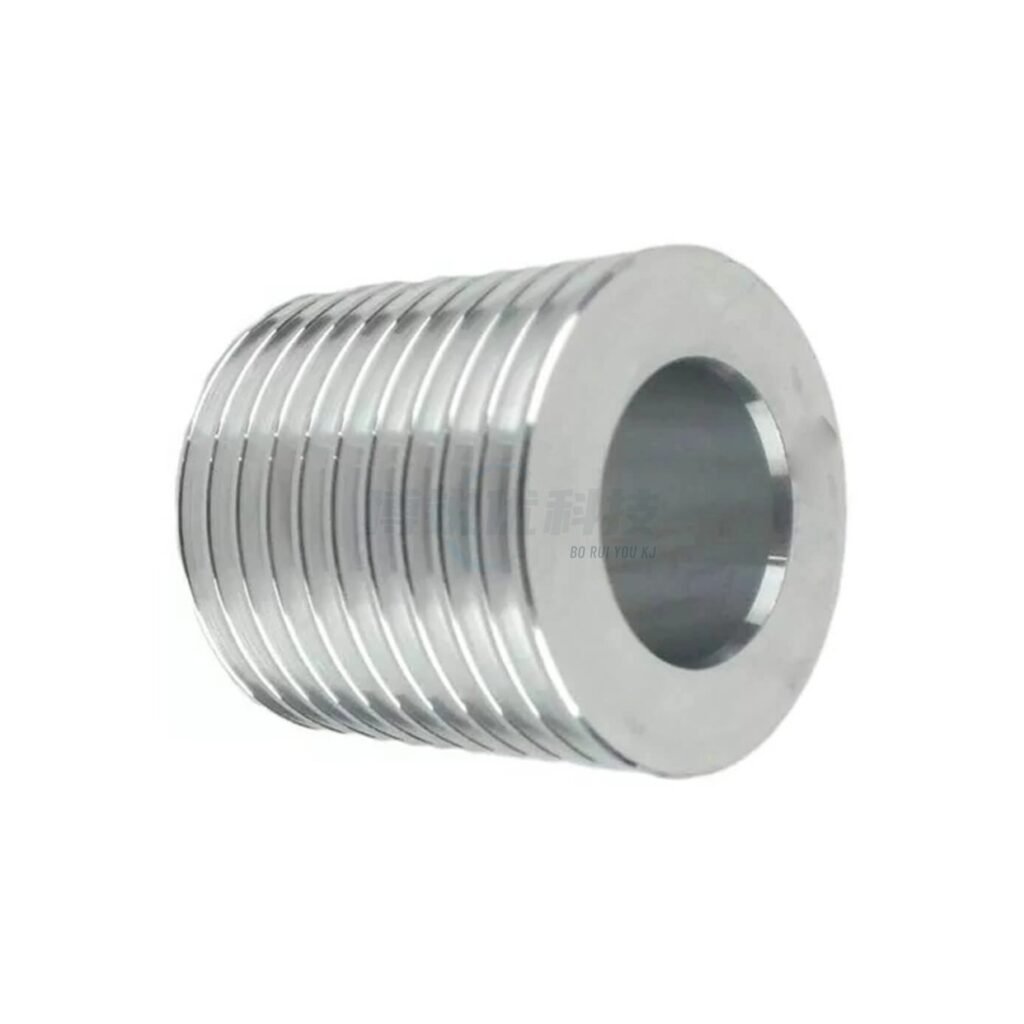
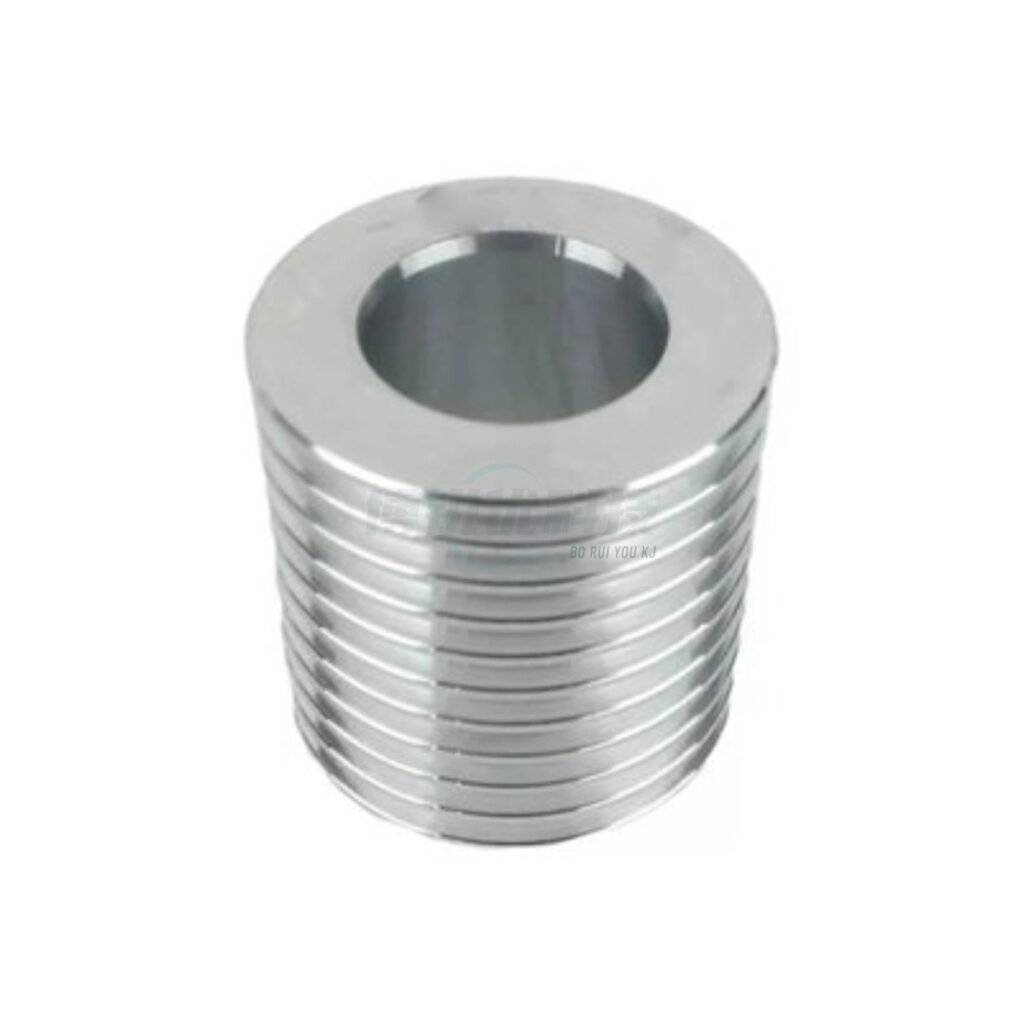
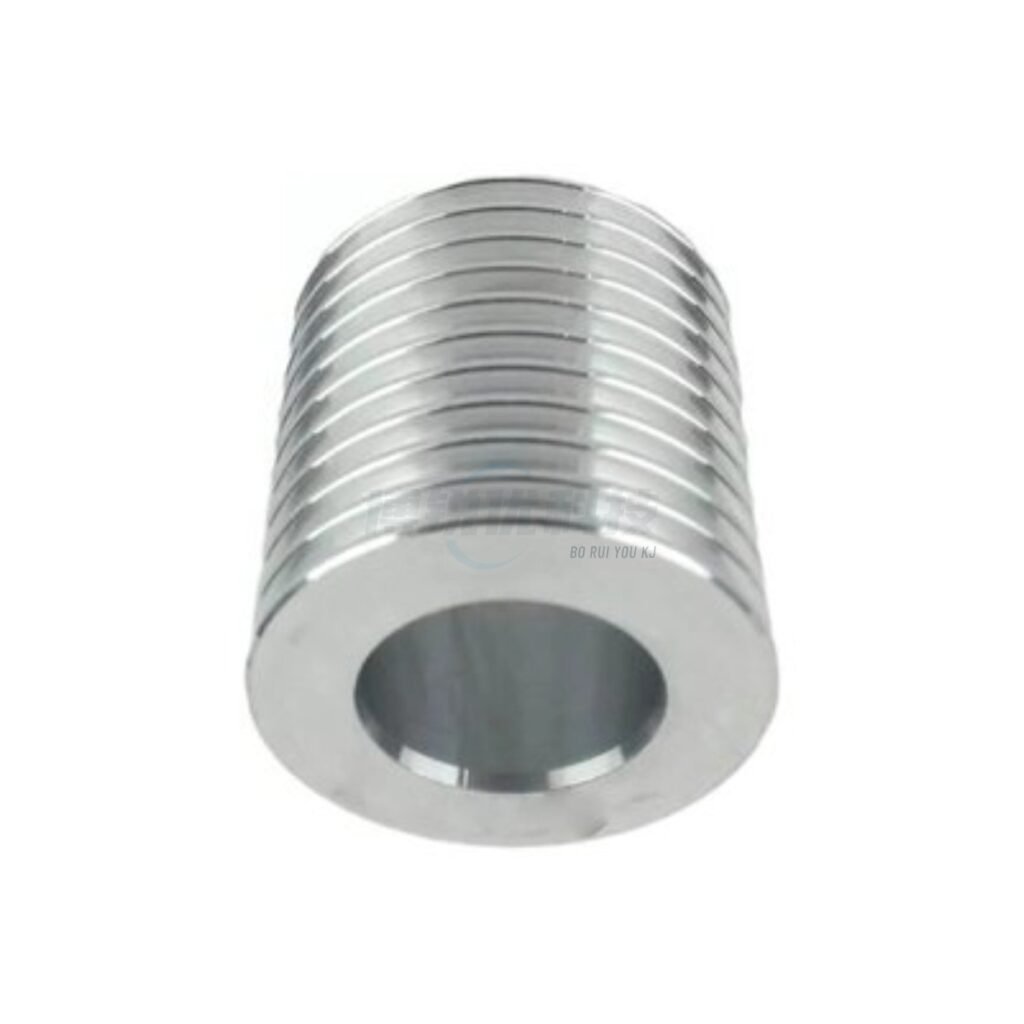
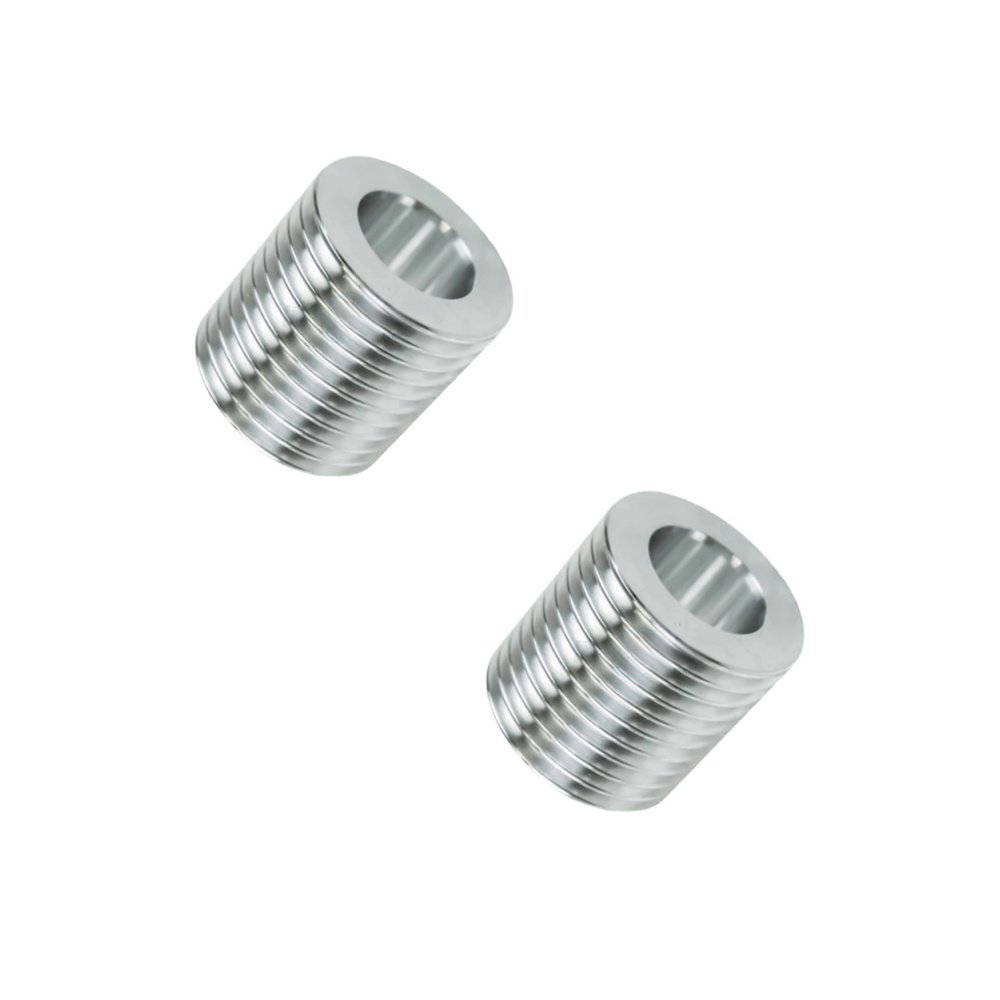
Premium Aftermarket N004510 Drive Pulley Compatible with DeWalt DWS780 DHS790 Miter Saws | FixPartHub
- ✔ Direct Mechanical Match: Premium aftermarket N004510 drive pulley engineered to serve as an exact drop-in replacement for worn factory transmission components.
- ✔ Tailored Compatibility: Specifically designed for 12-inch sliding compound miter saw models, seamlessly fitting DWS780 (corded) and DHS790 (cordless 120V MAX) platforms.
- ✔ Eliminate Blade Stalling: Restores full torque transmission from the motor armature shaft to the blade arbor. Solves issues where the motor spins but the blade bogs down or stops mid-cut.
- ✔ Precision-Machined Multi-Grooves: Features exact-spec micro V-grooves that perfectly mesh with the multi-ribbed drive belt, reducing friction heat and preventing premature belt snapping.
- ✔ High-Grade Zinc-Aluminum Alloy: Constructed from upgraded structural alloy to resist groove deformation, micro-cracking, and bore stripping under high rotational stress.
| Buy More, Save More | Quantity | Discount |
|---|---|---|
| Bulk Discount | 2 | 5% |
| Bulk Discount | 3 – 5 | 10% |
| Bulk Discount | 6 – 19 | 15% |