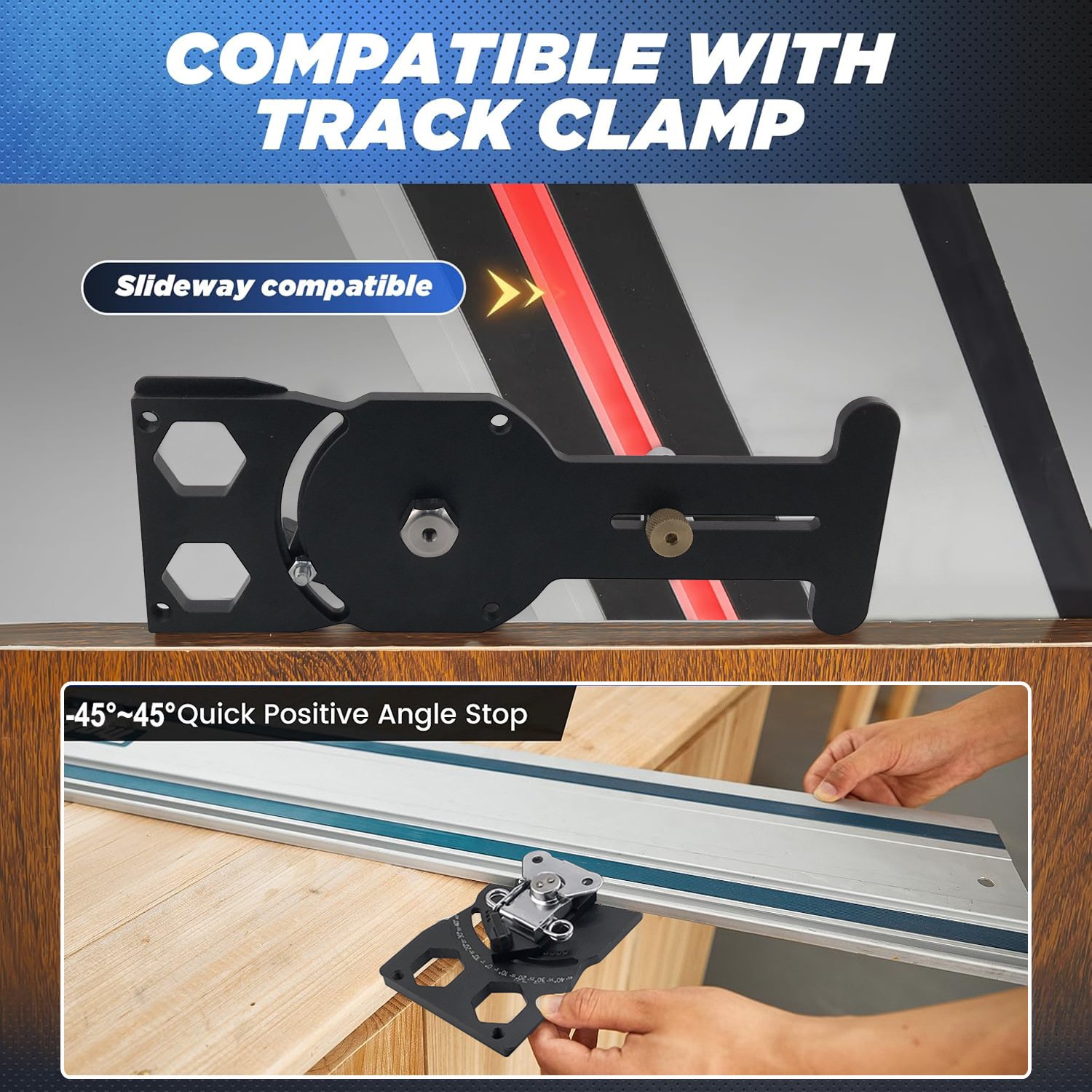
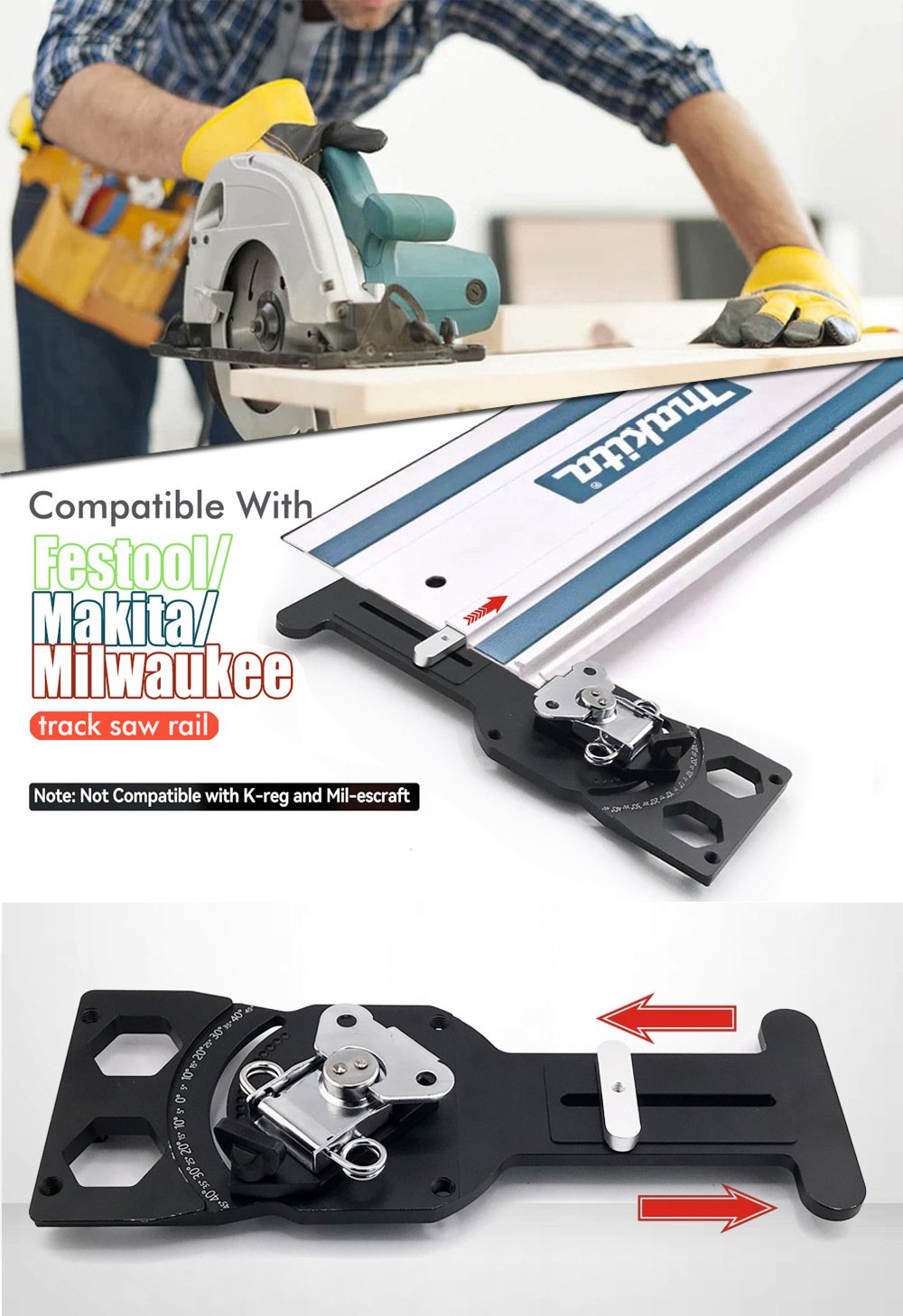
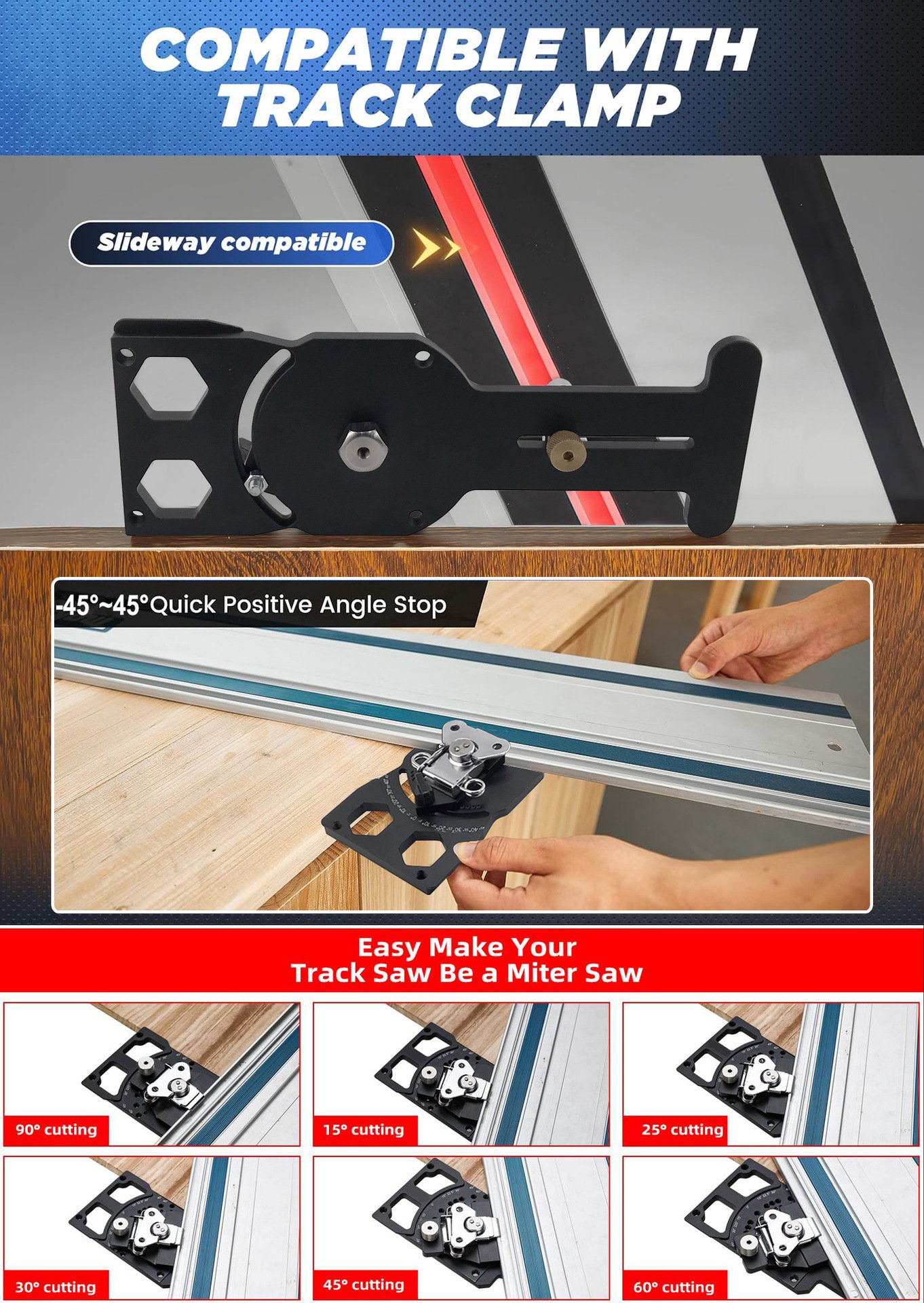
Making a dead-square 90-degree cut on a sheet of plywood is easy. But the moment a client asks for a custom 22.5-degree angled cabinet face or a 45-degree mitered tabletop, your workflow slows to a crawl. You pull out a protractor, draw a pencil line, carefully align your guide rail, and pray it doesn’t shift when the heavy motor kicks on.
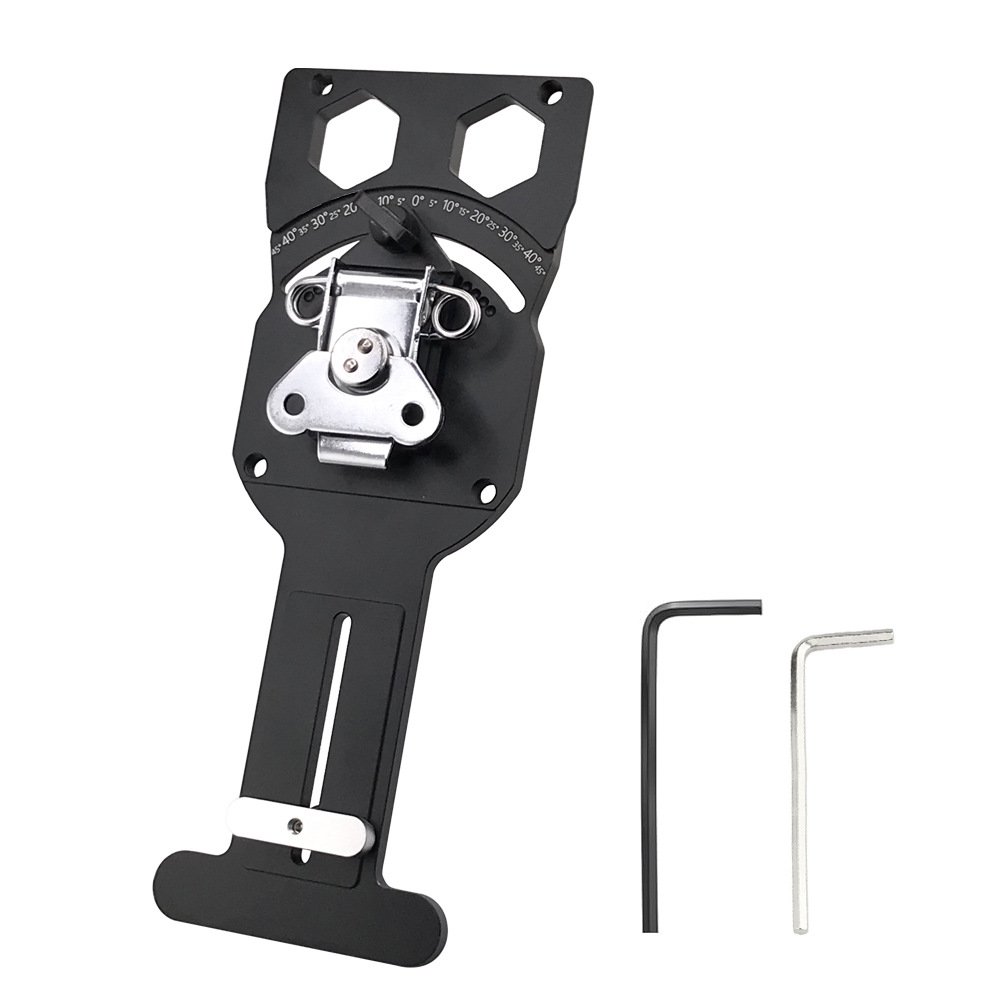
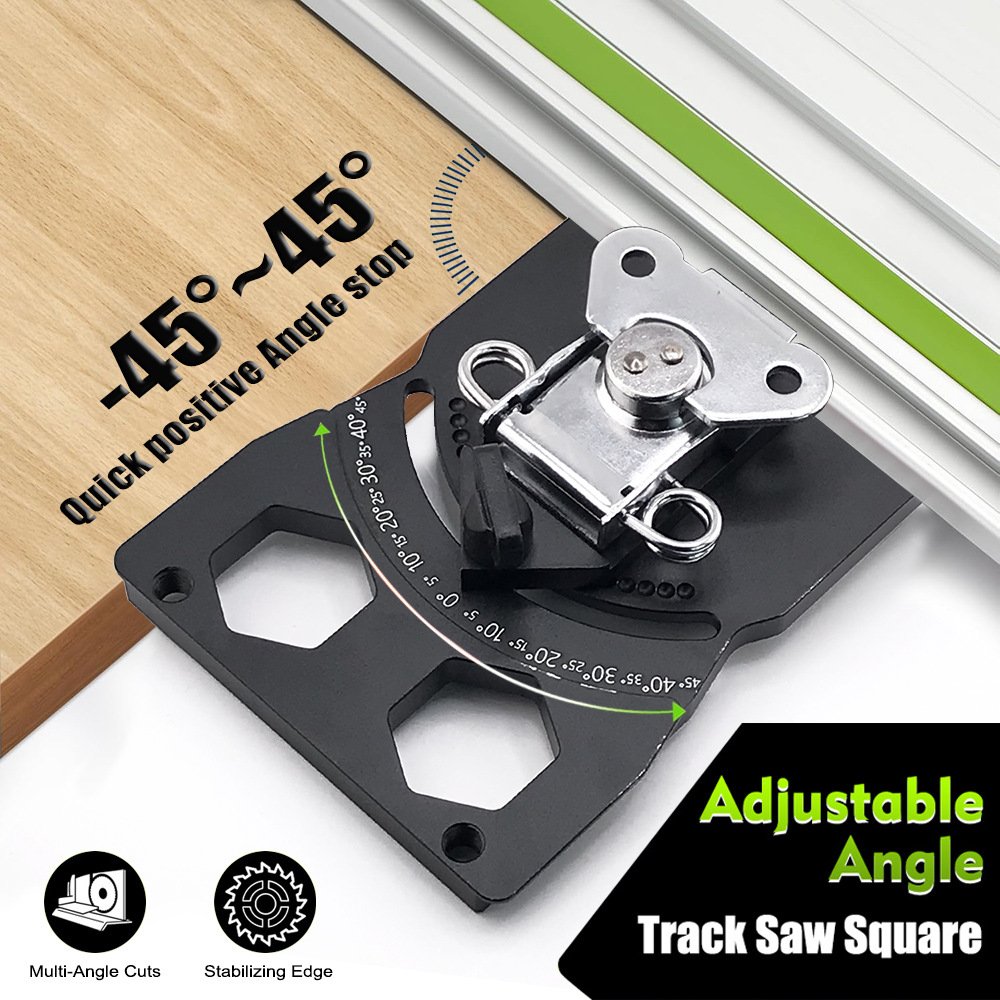
Relying on hand-drawn lines for angled cuts almost always guarantees a microscopic shift, leading to open joints and wasted lumber. The Premium Adjustable Track Saw Angle Guide | FixPartHub Edition removes the guesswork from angled panel processing. By physically anchoring a heavy-duty, adjustable aluminum fence directly into the T-slot of your guide rail, your track becomes a massive, immovable miter gauge. Dial in your angle, bump it against the edge of your board, and cut with absolute machine-grade confidence.
Smooth, continuous angle adjustment for complex geometric cuts.
Heavyweight aluminum prevents track twist and absorbs motor torque.
High-contrast degree markings will never scratch off or fade away.
Workshop Workflow: Dialing in the Perfect Cut
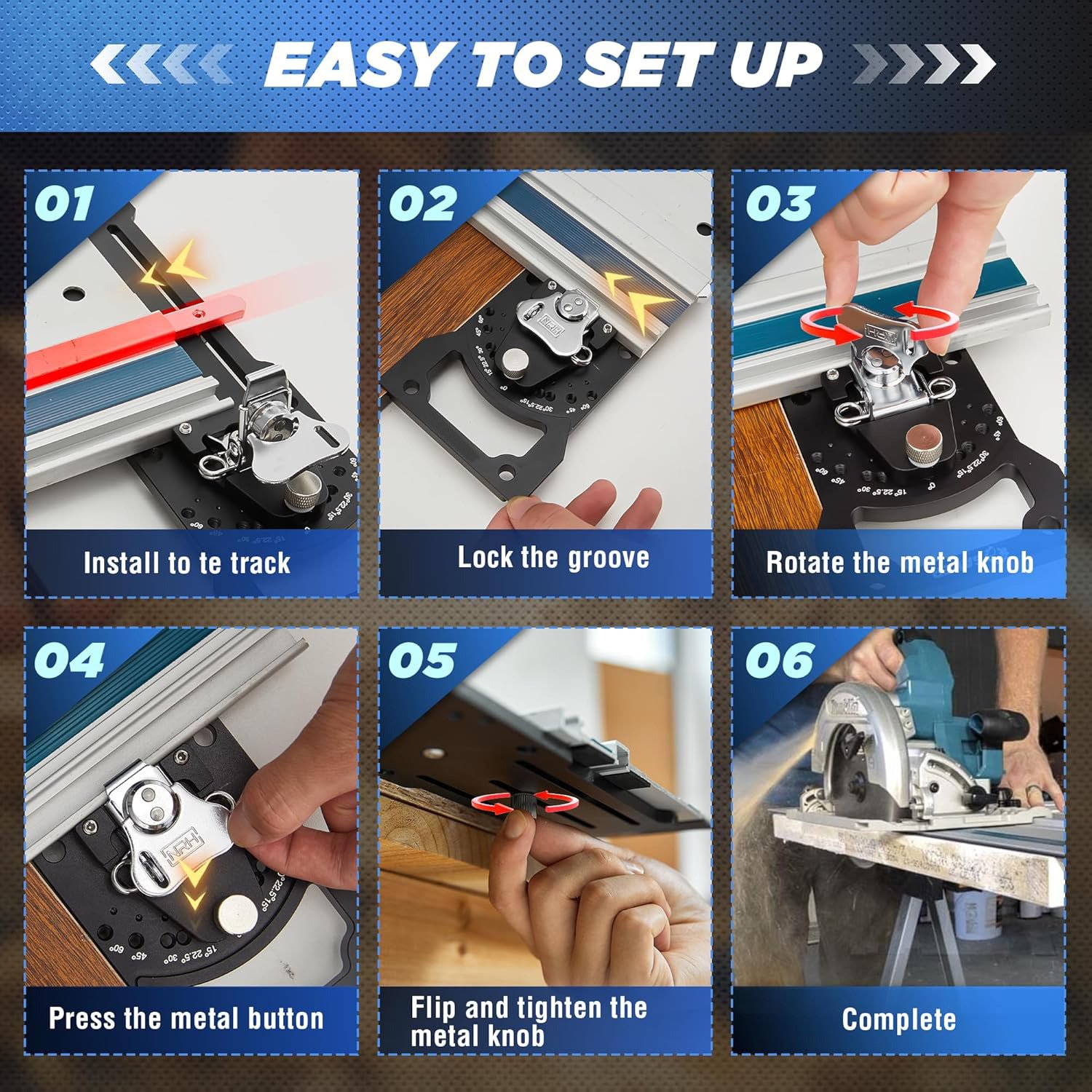
Convert your standard track saw into a precision angled sizing station in under 30 seconds:
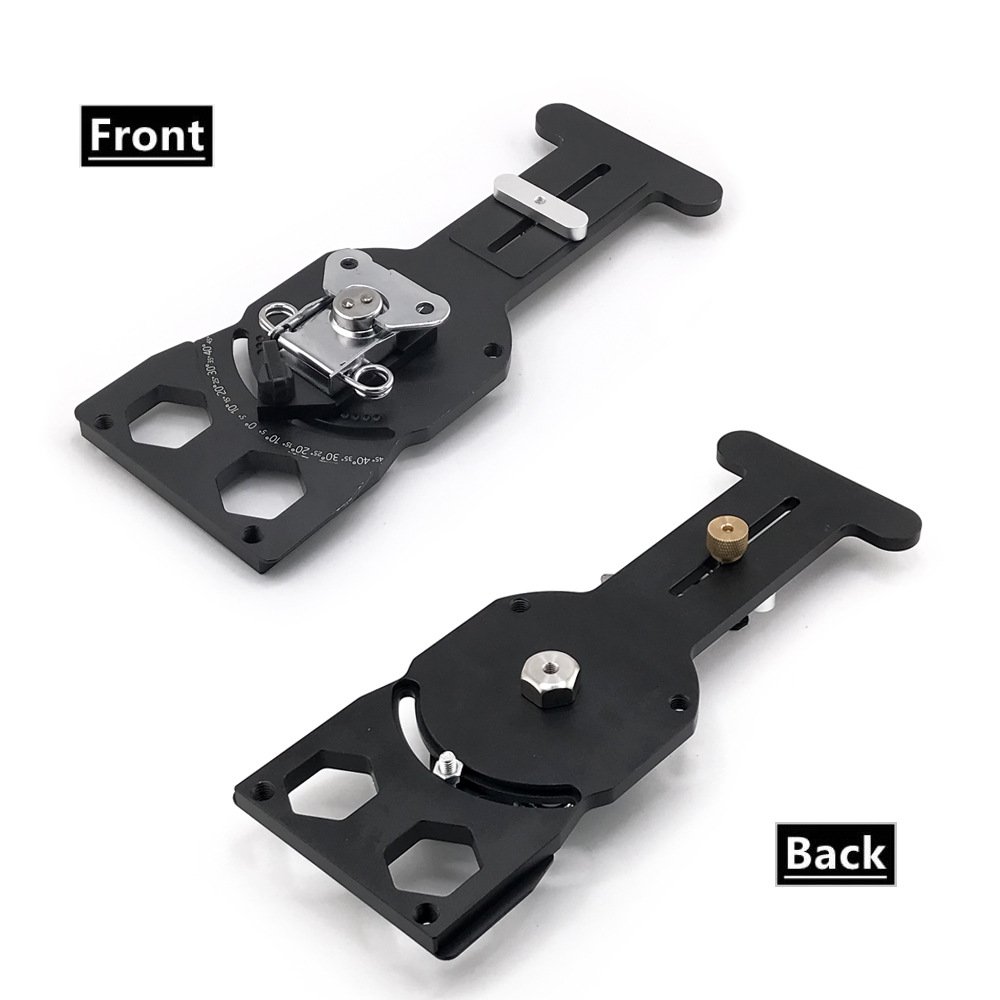
- Mount the Guide: Slide the aluminum locking tab of the angle guide into the bottom T-slot profile of your track saw rail.
- Set the Angle: Loosen the oversized knurled thumb knob. Swivel the heavy reference fence to your exact desired angle (from 0° up to 60°) using the laser-etched scale, then lock the knob down tightly.
- Reference the Wood: Place the track on your workpiece. Pull the rail toward you until the long aluminum fence rests flush and perfectly tight against the factory edge of your plywood or slab.
- Execute the Cut: With the fence hugging the board, the rail is locked in at your exact angle. Plunge your saw and push smoothly through the track for a flawless miter.
⚠️ Shop Accuracy Warning:
This tool establishes its cutting geometry entirely based on the edge it is resting against. Therefore, always ensure that your reference edge (the side of the board the fence is touching) is perfectly straight and milled. If you reference off a curved, splintered, or rough-cut edge, your final angled cut will inherit that exact inaccuracy.
Tech Q&A: Machinery Fitment & Calibration
❓ Q: Will this adjustable guide fit my specific brand of track rail?
A: This guide features a universal mounting shoe engineered to slide smoothly into the standard bottom accessory T-slot found on almost all major professional plunge saw tracks on the market. If your rail has an open bottom slot for standard track clamps, this tool will drop right in.
❓ Q: Can the zero-degree mark be recalibrated if my cuts are slightly off square?
A: Yes. While the unit comes factory-calibrated for precision, any heavy drops in the shop can shift the scale. You can use a trusted machinist square against the rail and the fence to reset the exact zero-degree reference point via the adjustment screws on the block.
❓ Q: Does this guide replace the need for track clamps?
A: For quick sizing and crosscuts, the heavy 730g mass of this guide provides enough stability that many woodworkers skip clamps entirely. However, if you are cutting extremely smooth melamine or making a long angled rip cut, we still recommend securing the far end of the track with a standard clamp for ultimate safety.
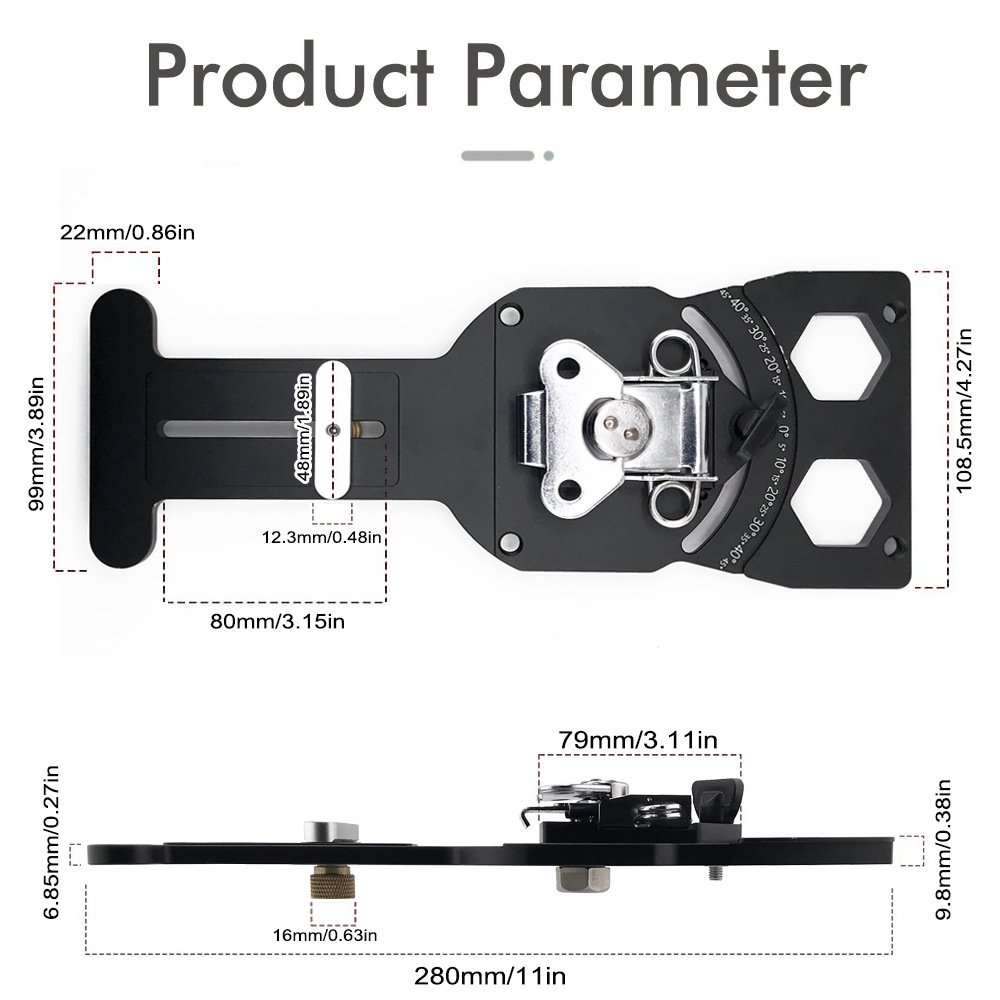
The CNC-machined guide block allows for continuous, fluid adjustment from a dead-square 0 degrees all the way up to a steep 60-degree angle, making it perfect for complex cabinetry joints and custom flooring installations.
Precision woodworking requires absolute rigidity. When you push a heavy plunge saw along a rail, the torque can cause plastic guides to flex and twist, ruining your angle. Our solid billet aluminum chassis (weighing 730g) absorbs all vibration and guarantees zero deflection during the cut.
The tool utilizes an expanding metal flange inside the T-slot. When you tighten the locking lever on top of the block, it physically expands the flange against the inside walls of the aluminum track, locking the two pieces together into a single, immovable unit.