
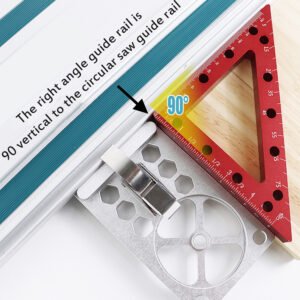
Track saws are precision instruments, but they suffer from a critical structural vulnerability: lateral deflection during crosscuts. When you push a heavy plunge saw across a guide rail, the rotational torque of the blade and the forward operator pressure want to twist the track off its Y-axis. Relying solely on the rubber friction strips on the bottom of the rail to hold a perfect 90-degree angle is a massive mechanical gamble. To guarantee a zero-tolerance square cut on wide panels, you must mechanically tie the aluminum extrusion to the factory edge of the workpiece. The industry standard protocol is deploying a 90-Degree Track Saw Square Guide Rail.
Diagnostic Data: Mechanical Squaring vs. Freehand Alignment
Let us analyze the deviation metrics. Here is the mechanical data on why freehand alignment and speed-square setups fail during wide-panel crosscuts.
| Alignment Method | Deflection Rate (Over 48″) | Track Shift Under Load | Repeatability |
|---|---|---|---|
| Freehand Pencil Marks | > 2.0mm variance. | High. Friction strips cannot resist lateral operator torque. | Zero. |
| Handheld Speed Square | 0.5mm – 1.0mm variance. | Moderate. Clamp pressure often skews the track slightly. | Poor. |
| Precision 90-Degree Track Square | Absolute dead-square (0.0mm variance). | ✅ Zero. Mechanically locks into the T-slot extrusion. | ✅ Perfect across multiple cuts. |
Hardware Deployment & Setup Workflow
A precision squaring block is useless if it is not seated and tensioned correctly within the aluminum extrusion. Follow this exact deployment workflow.
Extrusion Prep
Inspect the bottom T-slot channel of your universal track rail. Blow out any packed sawdust or resin using compressed air. A single wood chip trapped in the T-slot will cock the square out of alignment.
Hardware Mating
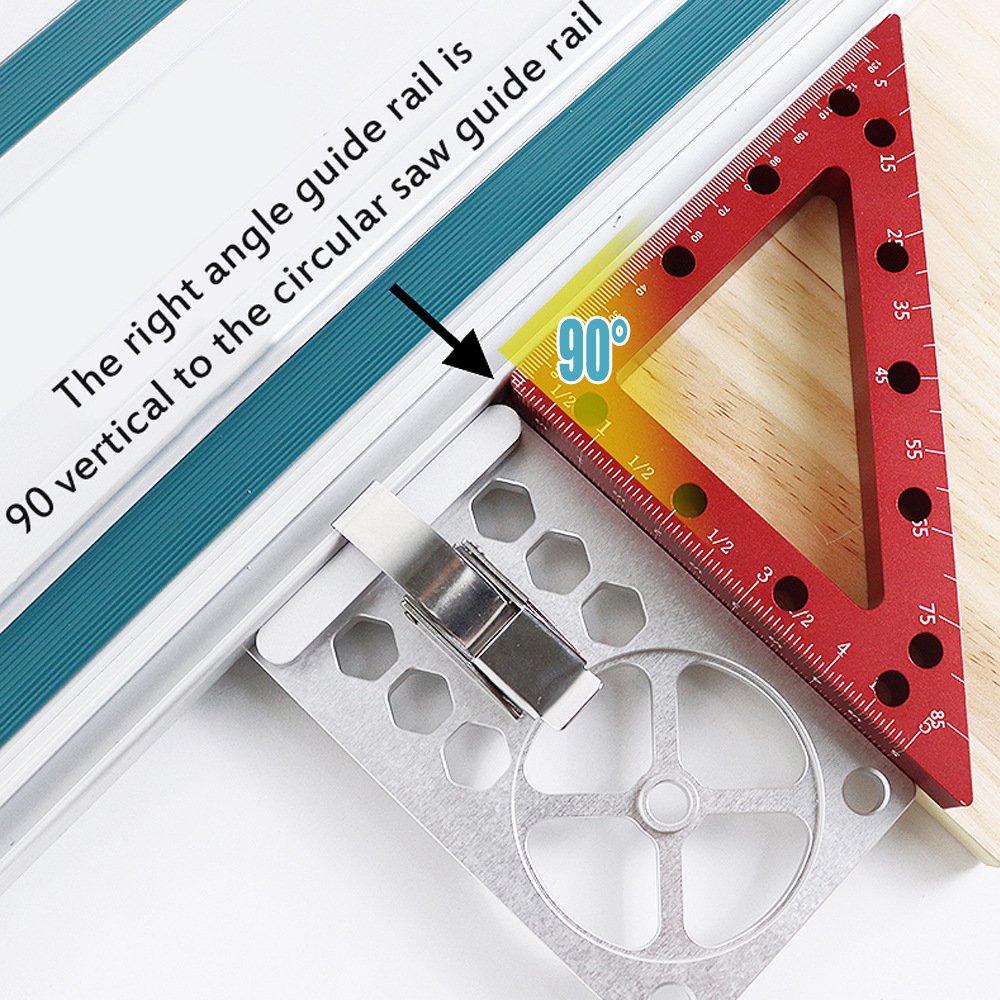
Slide the 90-degree square’s locking tab directly into the bottom extrusion channel. Ensure the main referencing edge of the square sits perfectly flush against the outer wall of the aluminum track.
Tension Calibration
Engage the cam-lock or tighten the hex socket screws (depending on the model). Do not over-torque. The tension must be sufficient to lock the square against the extrusion without bowing the track’s aluminum profile.
Edge Registration
Drop the track onto your workpiece. Pull the entire assembly backward until the lip of the 90-degree square seats aggressively against the factory edge of the plywood. Clamp the opposite end of the track to lock the geometry.
Reassembly & Routine Calibration Checks
- The 5-Cut Calibration Method: Never blindly trust a new jig. Lock the square to your track, grab a scrap piece of MDF, and perform the standard 5-cut squaring test. Measure the final off-cut piece with a digital caliper. If there is a taper, release the cam-lock, clean the T-slot, and re-seat the hardware.
- Torque Limits on Lock Screws: If your square utilizes hex screws for locking into the T-track, use a manual hex driver, never an impact wrench. Stripping the steel threads or deforming the aluminum extrusion channel will permanently ruin the track’s linearity.
- Referencing the Correct Edge: A 90-degree square is only as accurate as the edge it references against. If you place the squaring block against a rough, raw-cut edge of plywood, your crosscut will be out of square. Always register the block against a factory-milled edge.
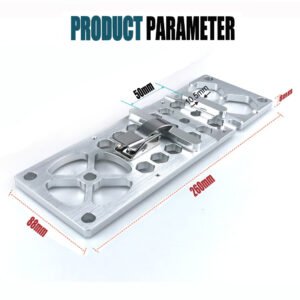
This squaring block is machined to fit standard universal guide rail extrusions. It slides directly into the bottom T-slot channel that is standard across most major professional track saw systems. Always verify the dimensions of your bottom T-slot before installation.
The most common failure point is a contaminated T-slot track. If sawdust or resin is packed into the aluminum extrusion, the square cannot seat flat against the rail. Secondly, ensure you are referencing the square against a perfectly straight factory edge on the workpiece, not a wavy ripped edge.
Yes. While the square locks the 90-degree geometry at the referencing edge, the opposite end of a long 55-inch or 118-inch track can still pivot or vibrate during a heavy plunge cut. Always apply a track clamp to the far end to completely immobilize the rail.
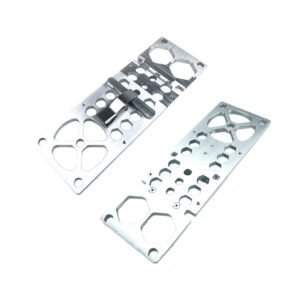
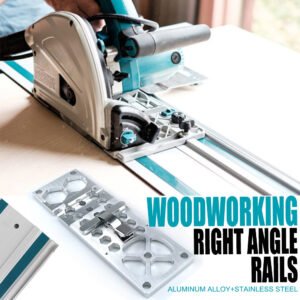
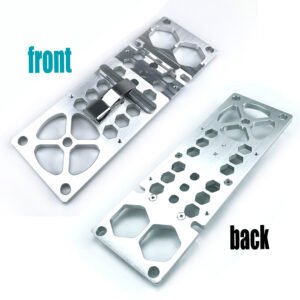
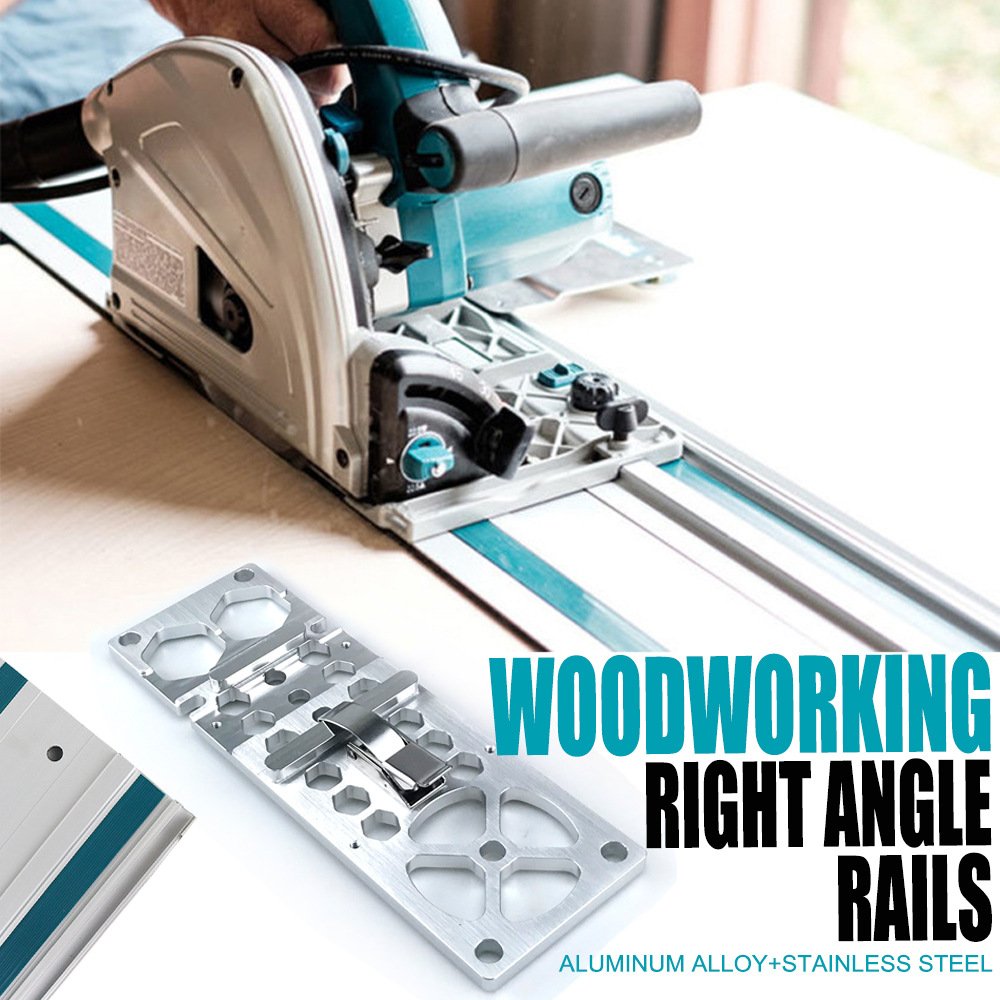
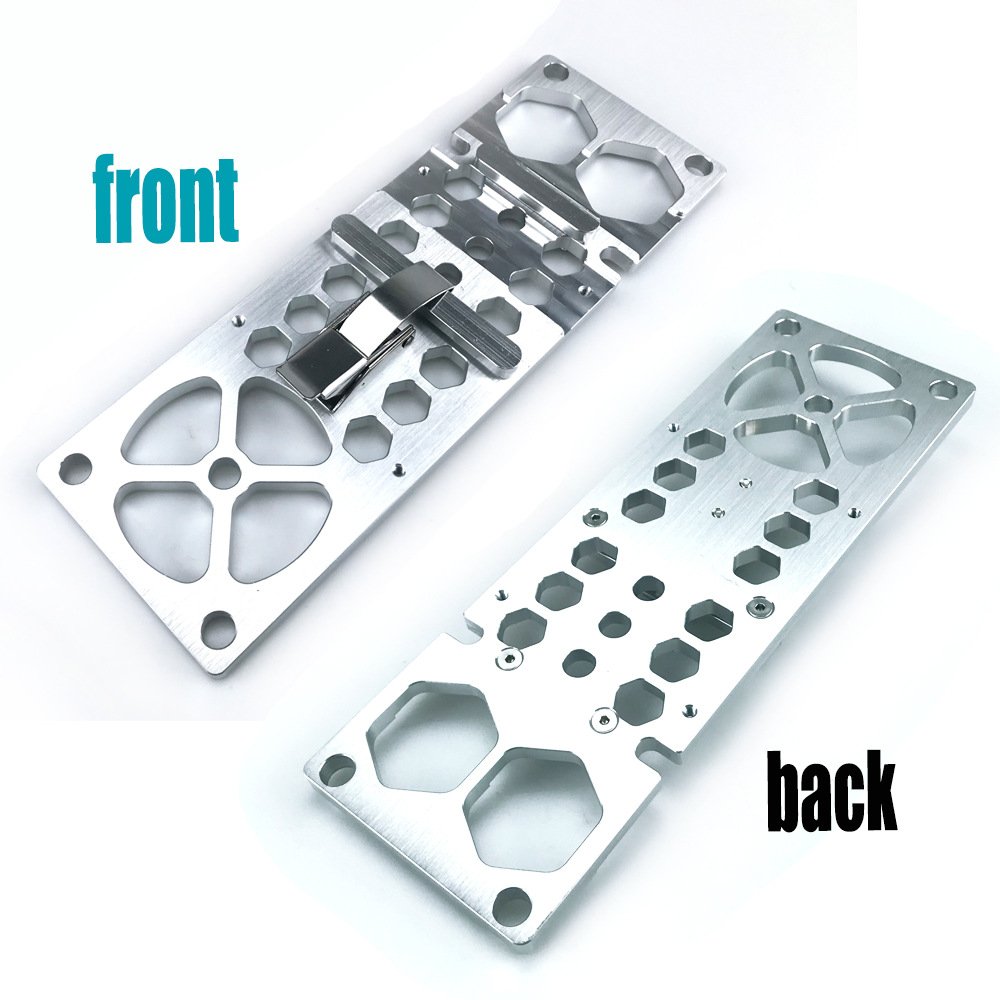
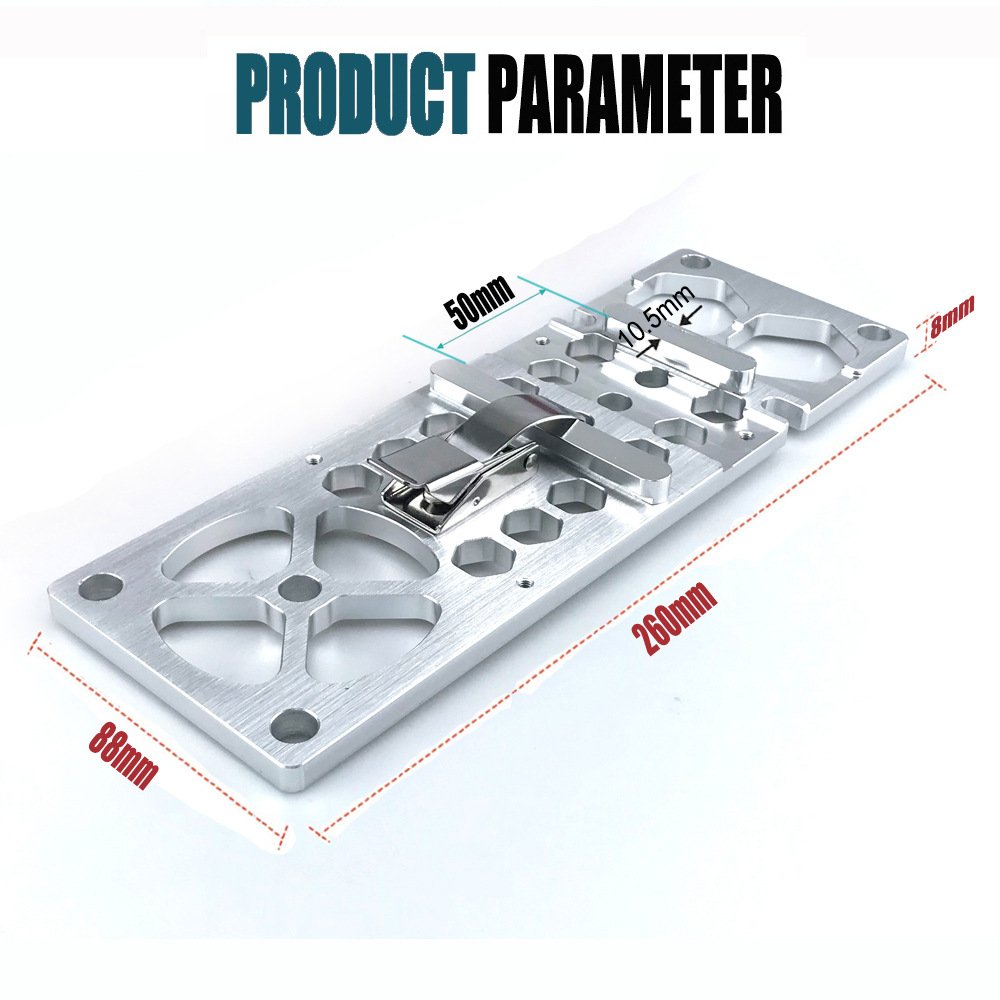
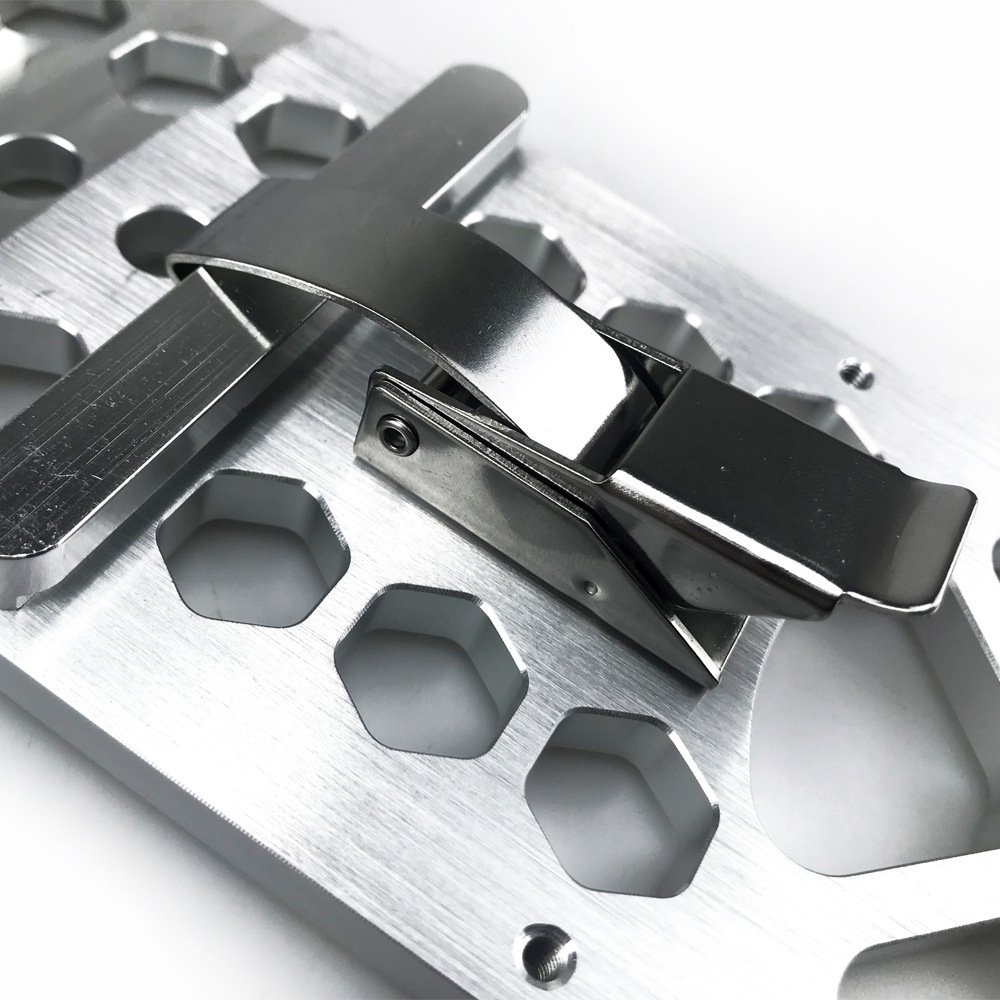
Premium 90-Degree Track Saw Square Guide | Aluminum Angle Stop | FixPartHub
- 📐 Instant Dead-Square Cuts: Eliminate the need for repetitive measuring and drawing. This precision-machined square locks your guide rail at a perfect 90-degree angle to the workpiece edge instantly.
- ⚙️ Universal Track Compatibility: Engineered with a standard clamping profile that perfectly drops into the T-slots of most major plunge saw and circular saw guide rail systems.
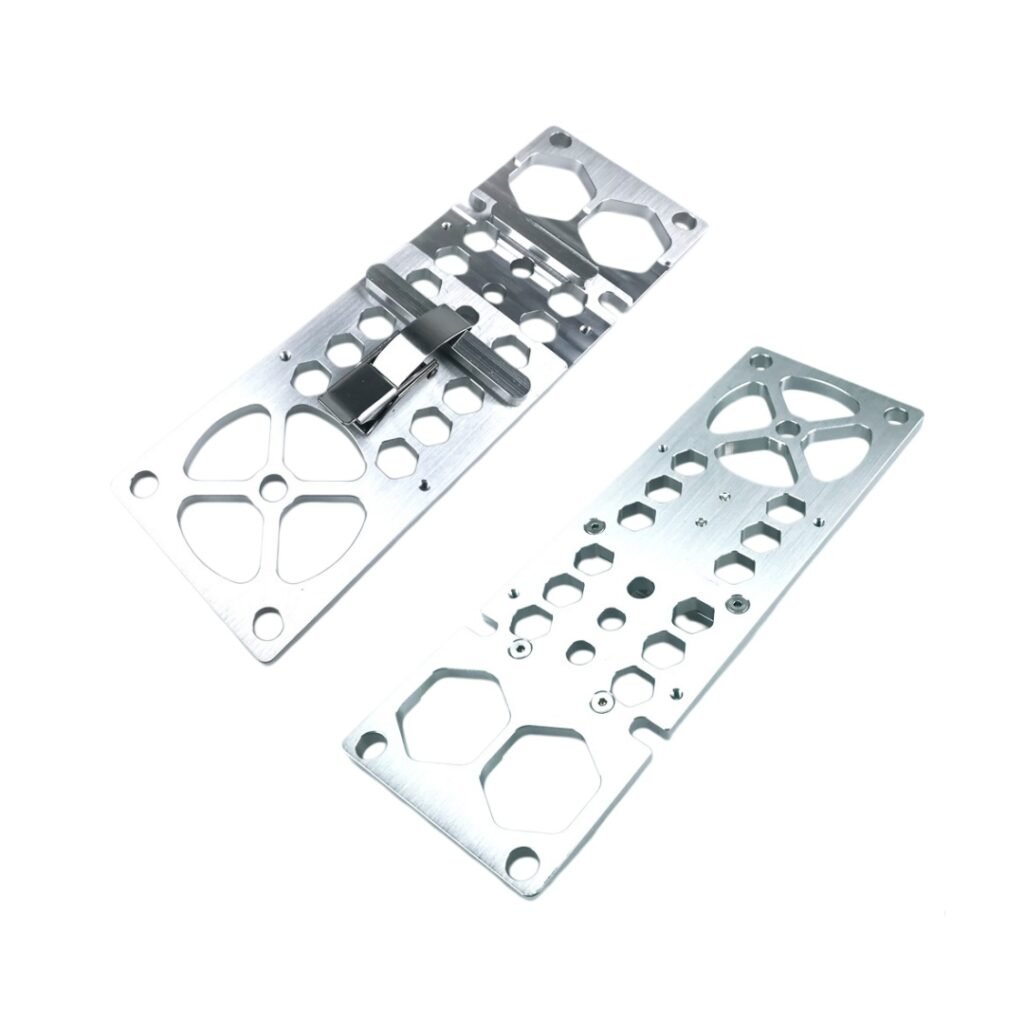
- 🛡️ Aerospace-Grade Aluminum: CNC-machined from a single solid block of aluminum alloy. It provides unyielding rigidity under heavy routing or sawing pressure, ensuring lifetime calibration.
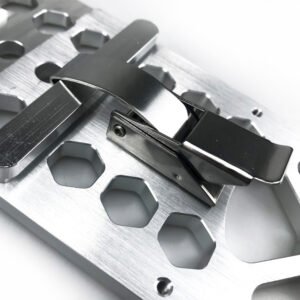
- 🔒 Rapid Cam-Lock Mechanism: Features an oversized, quick-engage locking latch. Slide it onto your rail and lock it down in two seconds flat—no tools or hex keys required.
- 🌲 Non-Marring Contact Edges: Designed with a smooth, extended reference lip that grips the edge of your expensive plywood or hardwood slabs securely without denting the grain.
| Buy More, Save More | Quantity | Discount |
|---|---|---|
| Bulk Discount | 2 | 5% |
| Bulk Discount | 3 – 5 | 10% |
| Bulk Discount | 6 – 19 | 15% |