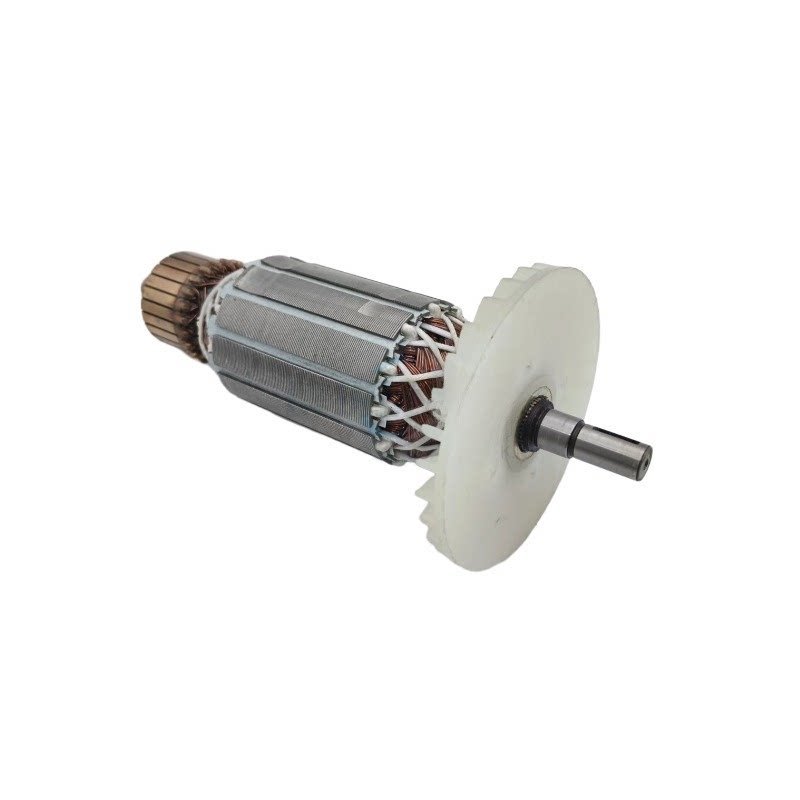
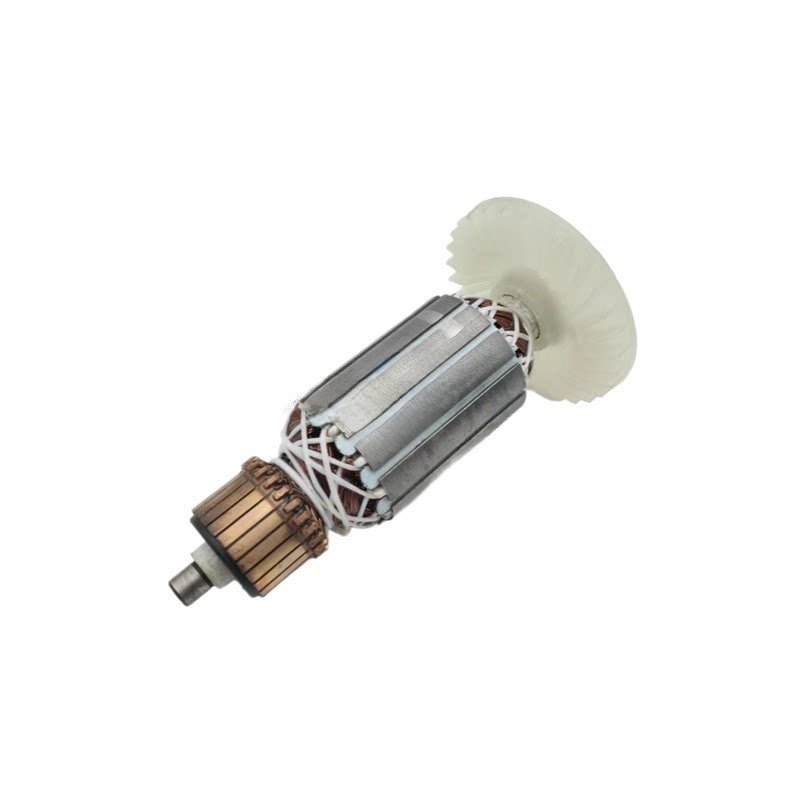
Product Overview
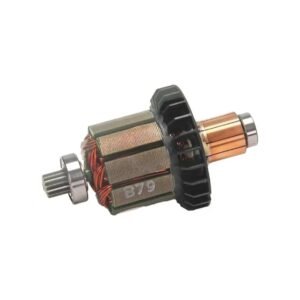
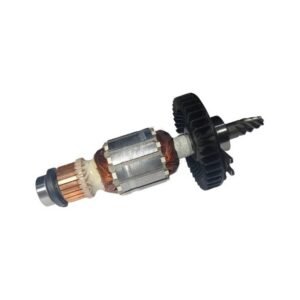
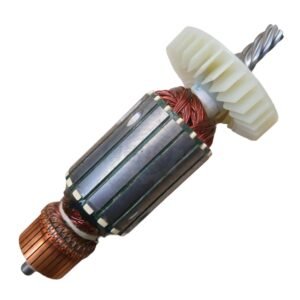
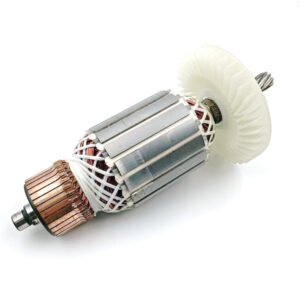
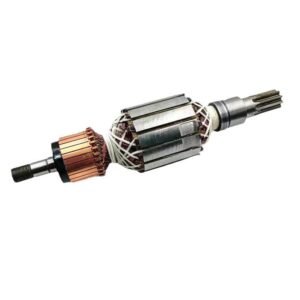
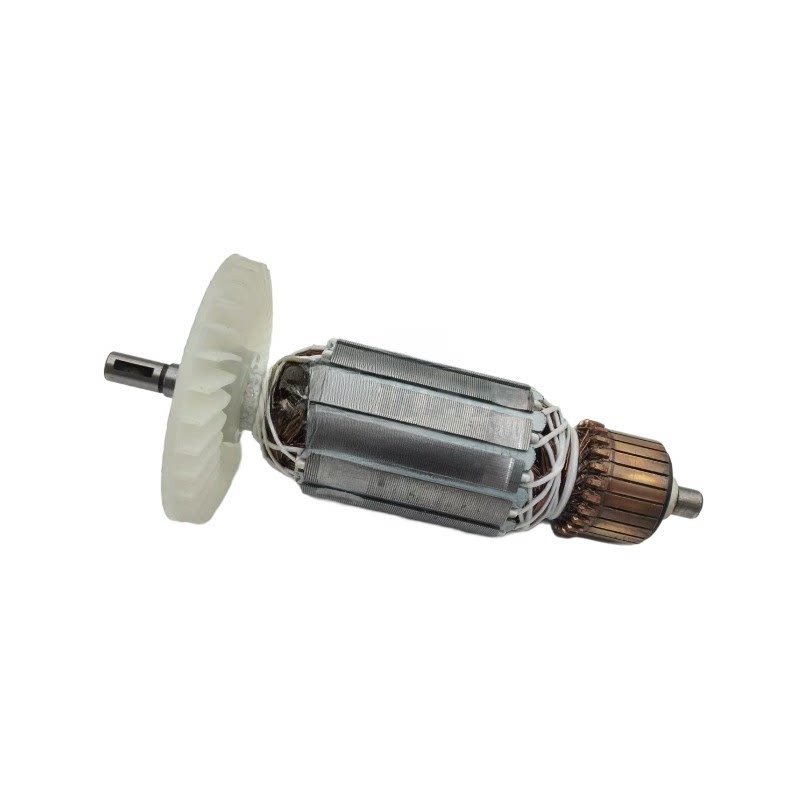
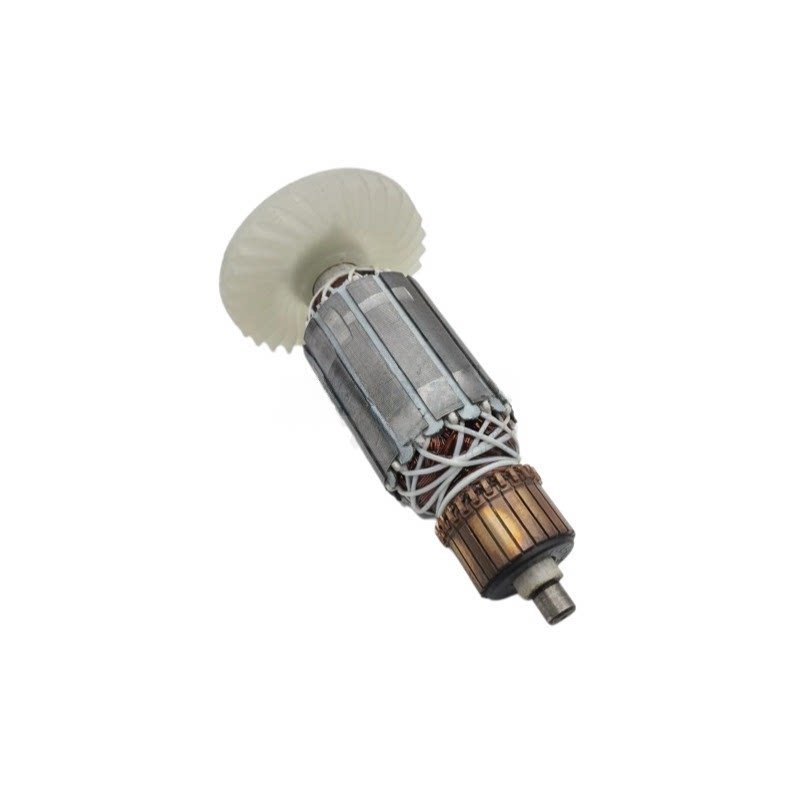
The CM4SB2 Armature Rotor is a precision-engineered direct-fit replacement for the 4″ dry-cut masonry saws and concrete cutters built on this platform. This armature is the heart of the motor – converting electrical energy into the rotational force that drives the diamond blade through tile, marble, granite, concrete, brick, and similar materials[reference:6].
Designed for professional repair technicians and equipment maintenance specialists, this armature restores factory-spec performance to tools exhibiting sluggish operation, complete failure to start, or loss of cutting efficiency under load. The 11.6 Amp (2,090W output) motor delivers an 11,500 RPM no-load speed for maximum cutting efficiency through the toughest materials[reference:7].
A specially sealed armature coil protects the winding from dust and debris – a critical feature for dry cutting applications[reference:8][reference:9]. The sealed construction also helps minimize vibration, producing only 1.4 m/s² for smoother operation and reduced operator fatigue[reference:10]. This armature is designed for 220V-240V models with 1,320W input power[reference:11][reference:12].
💡 Pro Tip – Pre-Installation Diagnostic: Before replacing the armature, perform a visual inspection and continuity test. Remove the armature from the motor housing and inspect the commutator surface – if it’s heavily grooved, scored, or shows signs of arcing, the armature has failed. Use a multimeter to test for shorts between commutator segments (all segments should show similar resistance, typically 0.5–2.0 ohms) and between any segment and the shaft (infinite resistance = no short to ground). Also inspect the field coil (stator) for continuity – if the field coil is damaged, armature replacement alone won’t resolve the issue. Always disconnect the tool from mains power before beginning any disassembly.
Diagnostic & Fitment – When to Replace
Specification Comparison
| Specification | Worn / Generic Aftermarket | FixPartHub Precision Replacement ✅ |
|---|---|---|
| No-Load Speed | Inconsistent – below 11,500 RPM | 11,500 RPM – OEM-spec |
| Winding Quality | Substandard copper – high resistance | OEM-spec copper windings – optimal conductivity |
| Dust Protection | Unsealed – susceptible to debris ingress | Sealed coil – protected from dust and debris |
| Vibration Level | High – operator fatigue | 1.4 m/s² – minimal vibration |
| Voltage Rating | Vague or incorrect specification | 220V-240V – OEM specification |
Teardown & Replacement Workflow
Compatibility – Cross-Reference & OEM Part Numbers
Diagnostic Q&A
❓ Q: My concrete cutter runs slowly and lacks power – is this definitely an armature problem?
A: Not always. First, check the carbon brushes – if they’re worn below 5mm or show signs of glazing, replace them. Check the field coil (stator) for continuity with a multimeter. If the brushes and field coil check out, the armature is the likely culprit. Worn armature windings or a damaged commutator will cause loss of power and reduced cutting efficiency – requiring replacement of the CM4SB2 armature.
❓ Q: What is the correct voltage specification for this armature?
A: This armature is designed for 220V-240V models of the CM4SB2 concrete cutter. The complete tool has an input power rating of 1,320W[reference:13][reference:14] and an 11.6 Amp (2,090W output) motor[reference:15]. Always verify your tool’s voltage rating before ordering.
❓ Q: How do I test if the armature is faulty with a multimeter?
A: Use a multimeter in resistance mode. Test between adjacent commutator segments – they should all show similar resistance (typically 0.5–2.0 ohms). A short (0 ohms) between any two segments indicates a shorted winding. An open circuit (infinite resistance) indicates a broken winding. Also test between any commutator segment and the armature shaft – there should be infinite resistance (no short to ground). If the armature fails any of these tests, replacement is required.
❓ Q: Will this armature fit my Metabo HPT CM4SB2M model?
A: Yes. The CM4SB2M is the same platform as the CM4SB2 – the “M” designation typically indicates regional or packaging variations. This armature is a direct-fit replacement for both CM4SB2 and CM4SB2M models[reference:16].
Safety Notes
- 🔴 Always disconnect the tool from mains power before beginning any disassembly or armature replacement procedure.
- ⚡ Allow the motor to cool completely before handling internal components – motors can reach high temperatures during cutting operations.
- 🔧 Use correct torque values – housing screws and bearing retainers typically require 1.5–2.0 Nm (13–18 in-lbs). Over-torquing can strip threads or damage the housing.
- 🧤 Wear ESD-safe gloves when handling the armature to prevent static discharge damage to sensitive components.
- 📐 Verify commutator alignment before final assembly – the armature should spin freely with no binding or grinding feel.
- ✅ Perform a no-load test before reinstalling the blade and guard – verify smooth operation at full speed with minimal sparking.
A: Common symptoms include loss of power under load, reduced cutting speed, excessive sparking through the motor vents, a burning smell during operation, or complete failure to start. A multimeter test can confirm – check for shorts between commutator segments or shorts to ground (the armature shaft). If the armature fails any of these tests, replacement with a CM4SB2 armature is required.
A: This armature is designed for 220V-240V models of the CM4SB2 concrete cutter, with an input power rating of 1,320W. The complete motor delivers 11,500 RPM no-load speed with an 11.6 Amp (2,090W output) rating.
A: Yes. The CM4SB2 platform is shared across Hitachi, Hikoki, and Metabo HPT branding. This armature is a direct-fit replacement for all CM4SB2 and CM4SB2M variants.
A: The CM4SB2 features a specially sealed armature coil that is protected from dust and debris – critical for dry cutting applications in concrete, tile, marble, and granite. This sealed construction also helps minimize vibration, producing only 1.4 m/s² for smoother operation.