The Problem: Why Door Latch Installation Is Harder Than It Should Be
You’ve probably been there: you drill the 1″ edge bore hole for a door latch, but then comes the frustrating part—cutting the mortise for the faceplate. You reach for a chisel and a mallet. You mark the outline with a pencil. You try to chisel straight down without going too deep. Then you realize you’ve cut outside the lines, or the mortise is too shallow, and the latch plate sits crooked.
This is the reality for most DIYers and even some pros. Traditional latch installation requires a sharp chisel, a steady hand, and plenty of patience. And after all that, the result is often an uneven, messy mortise that leaves gaps around the latch plate.
💡 The Hard Truth: According to professional carpenters, the single most common mistake in door hardware installation is an improperly cut mortise. A bad mortise means the latch doesn’t sit flush, the lock binds against the strike plate, and your door won’t latch properly.
The Solution: How the Door Latch Mortise Tool Works
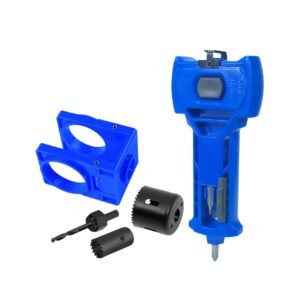
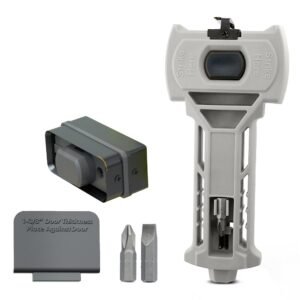
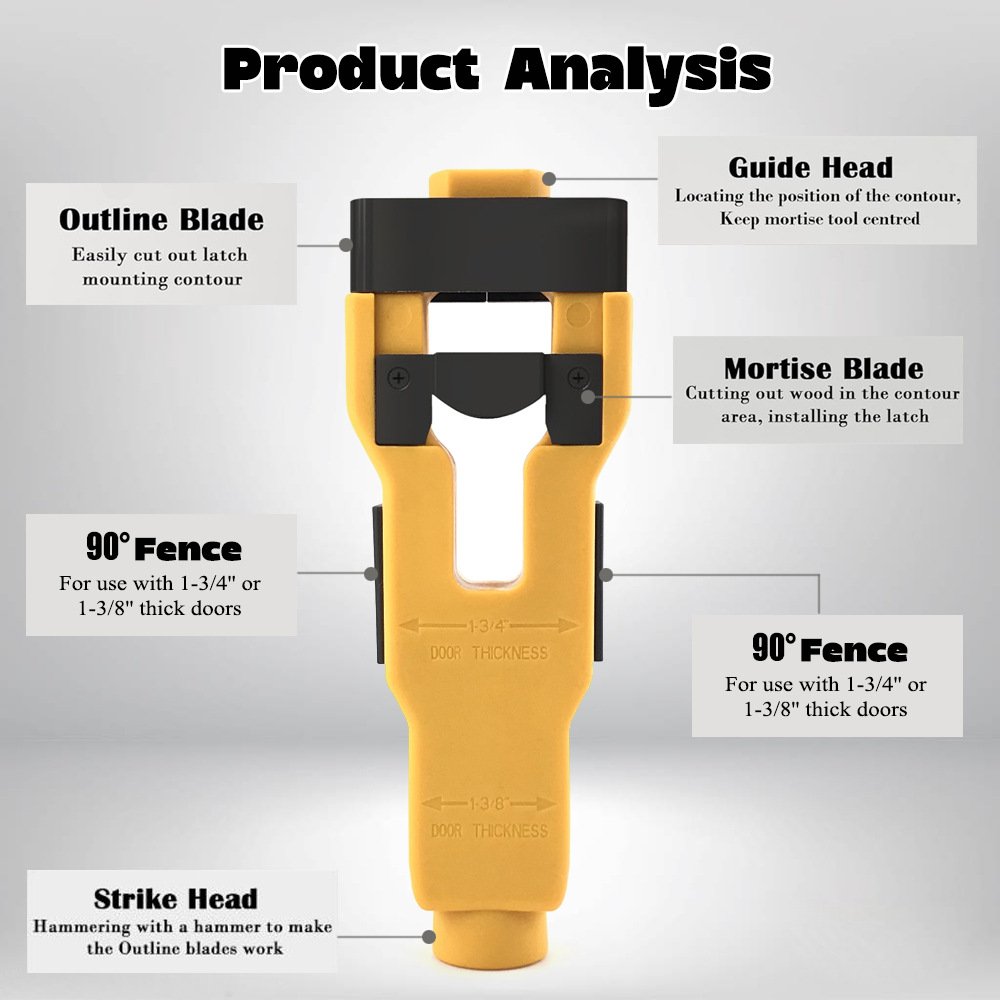
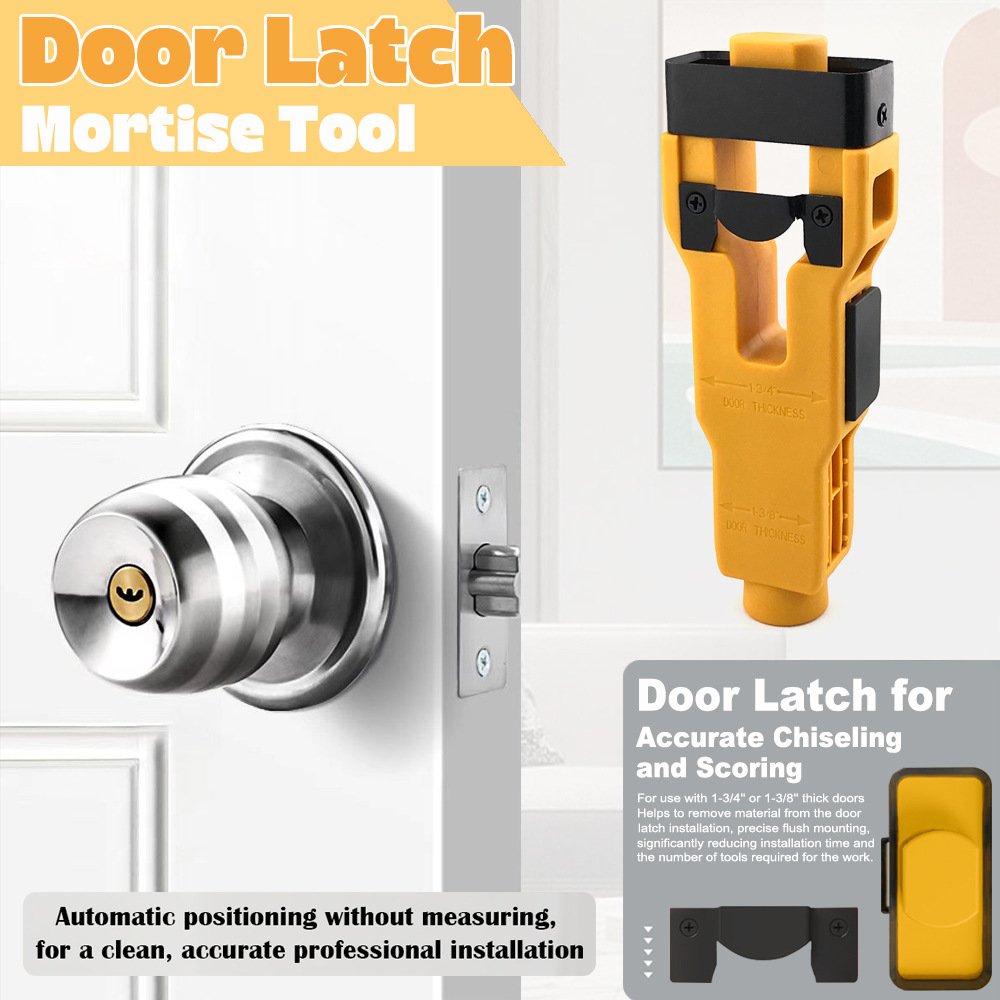
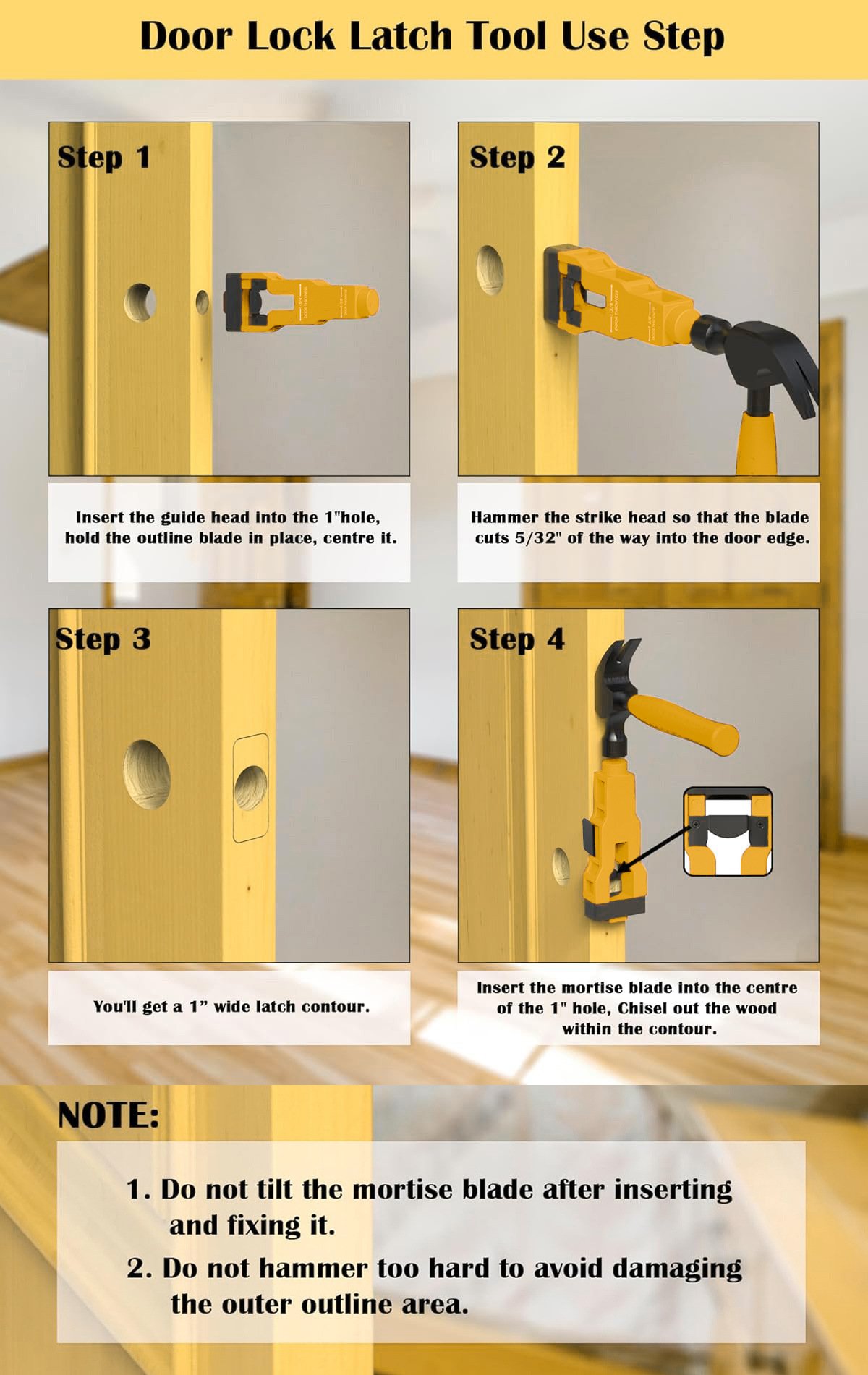
This tool completely eliminates the need for chisels, measuring, and guesswork. Here is the simple 3-step process:
Insert the Guide Head
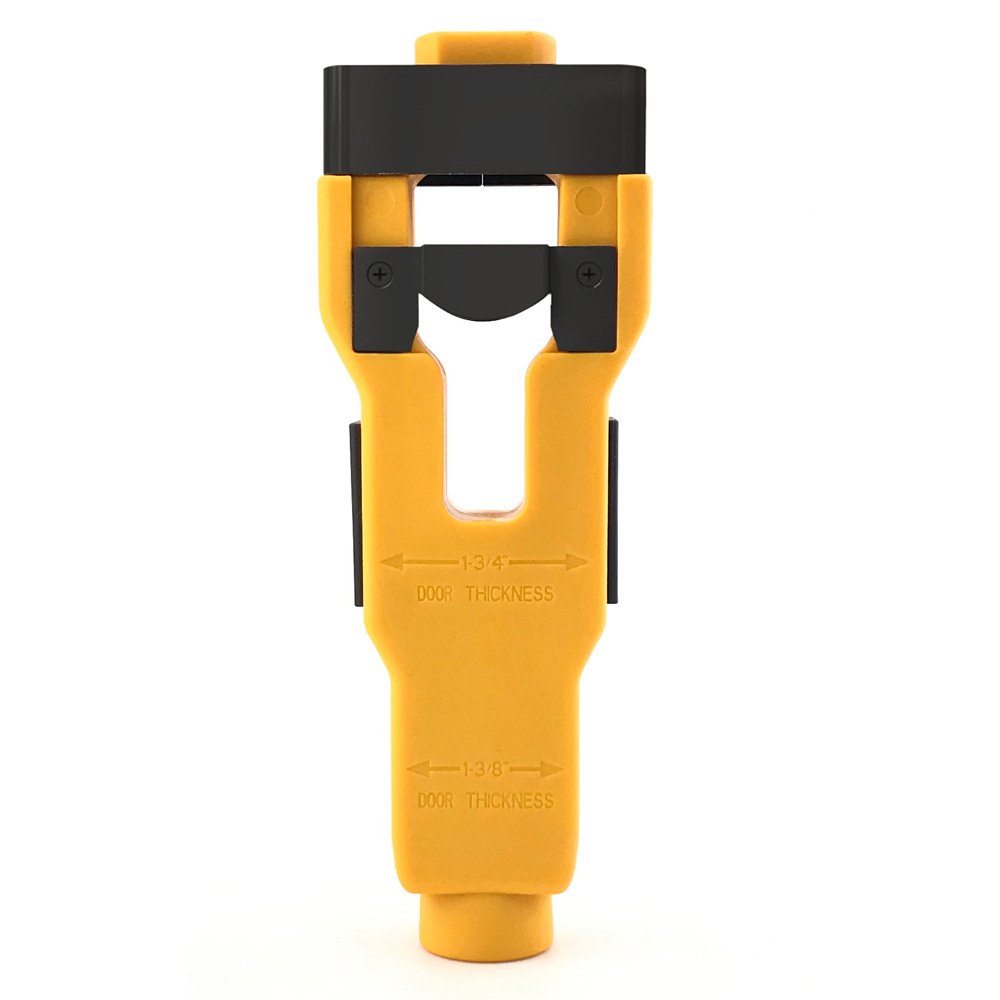
The guide head fits into your existing 1″ door edge bore hole. It self-centers automatically, so you don’t need to measure or mark anything. The tool is now perfectly aligned with the latch position.
Strike to Cut the Outline
Strike the top of the tool with a mallet. The hardened steel outline blade cuts the exact contour of the latch faceplate into the door edge—clean, sharp, and perfectly sized.
Remove Material
Strike again. The mortise blade removes the wood inside the outline, cutting to a pre-set depth that matches standard latch plate thickness. The result: a clean, flush mortise.
Why Our Mortise Tool Outperforms the Rest
| Common Complaint | Cheap Competitors | Our Solution |
|---|---|---|
| “Blades dull rapidly” | Soft untreated metal | ✅ Hardened steel engineered for repetitive job-site use |
| “Doesn’t cut deep enough” | Inconsistent depth calibration | ✅ Precision-machined preset depth matching standard latch plates |
| “Plastic body cracked” | Thin, brittle plastic | ✅ Impact-resistant heavy-duty housing reinforced at strike points |
| “The mortise is always crooked” | Poor alignment assembly | ✅ Precision-aligned guide head – guarantees square, professional cuts |
Technical Specifications
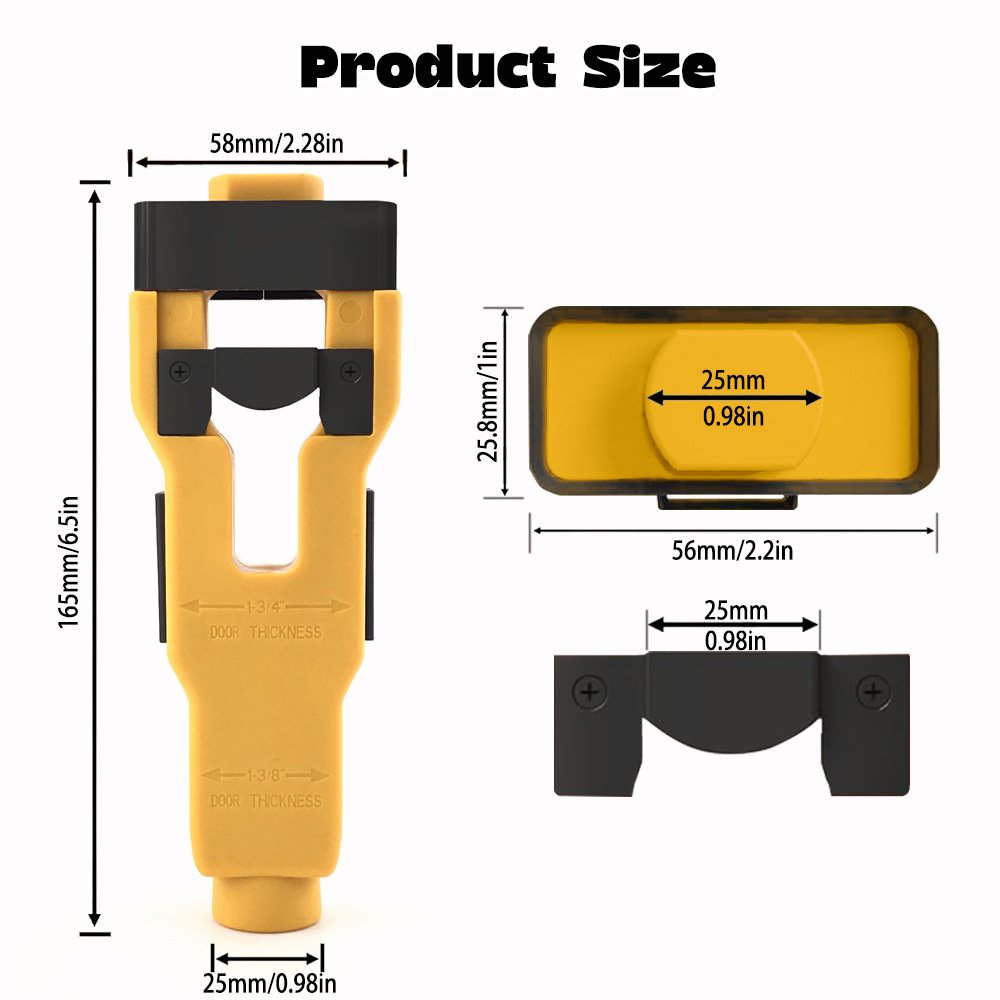
| Product Dimensions | 180 x 90 x 35 mm (7.1″ x 3.5″ x 1.4″) |
| Weight | 220g (7.8 oz) |
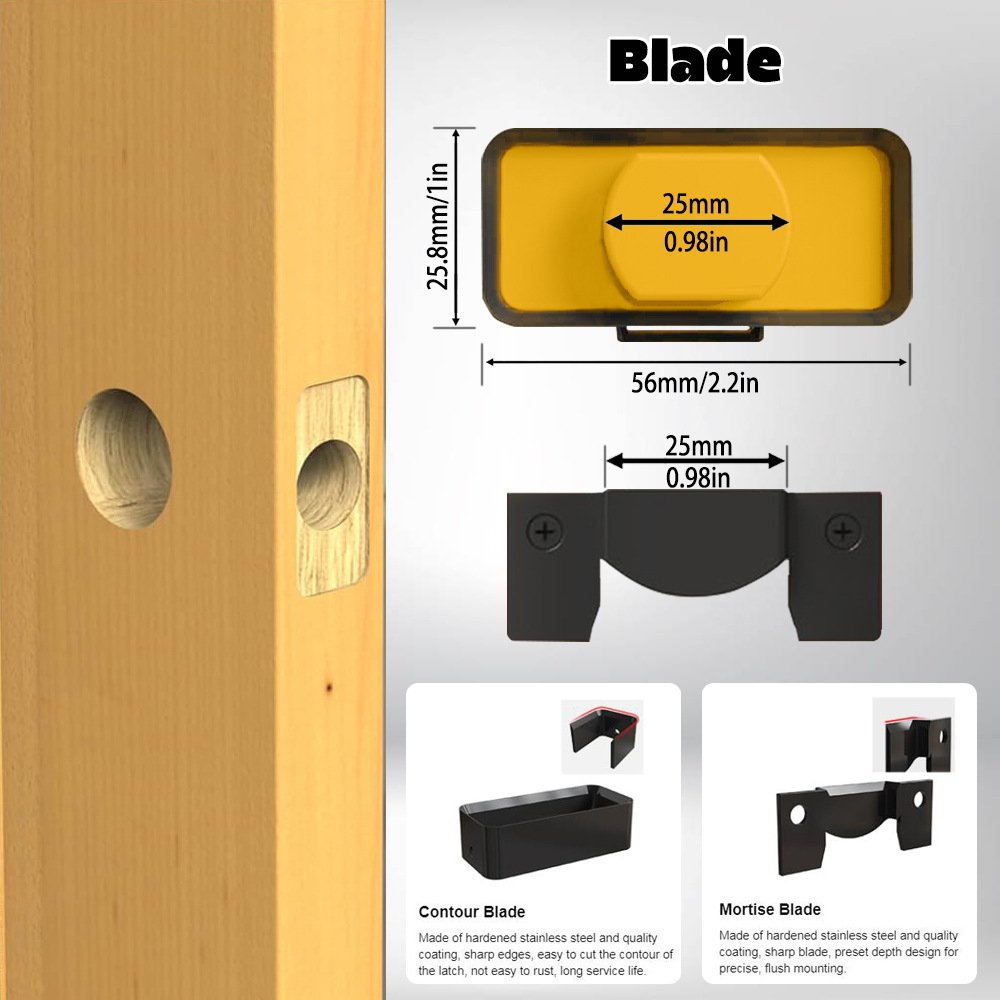
| Blade Material | Hardened steel with anti-rust coating |
| Guide Head Diameter | 1 inch (25.4 mm) – fits standard door edge bores |
| Compatible Door Thickness | 1-3/8″ to 1-3/4″ (35mm to 45mm) |
| Blade Width | 1 inch – matches standard latch faceplates |
Compatible Door Types
This mortise tool works flawlessly on virtually all standard interior and exterior doors:
Tech Q&A: From the Workbench
❓ Q: Will this tool work on both square and rounded latch faceplates?
A: Yes. The tool is designed to work with standard latch faceplates, whether they have square corners or rounded (radius) corners. The outline blade cuts the exact contour of your specific latch.
❓ Q: Can I use this tool with a cordless drill instead of a mallet?
A: No. This is a strike tool, not a drill attachment. It works by striking the rear housing with a mallet. The strike method is faster and offers precise depth control for this specific application.
❓ Q: Will this tool work on metal doors?
A: No. This tool is designed exclusively for wood, MDF, and composite doors. Using this tool on metal doors will permanently damage the blades.
Important Usage Notes
- Always wear safety glasses – Small wood chips may fly when striking the tool.
- Use a mallet, not a metal hammer – A rubber, wooden, or nylon mallet protects the tool’s striking surface. A steel framing hammer will deform the plastic housing over time.
- Don’t force the guide head – If it doesn’t insert smoothly, check for debris in the 1″ bore hole. Use a utility knife to clear any wood fuzz left by your hole saw.
Frequently Asked Questions
What is a door latch mortise tool used for?
A door latch mortise tool (also called a door latch installation kit) is used to cut the rectangular recess (mortise) in a door edge where the latch faceplate sits. It eliminates the need for chisels and measuring by using pre-set depth blades that cut the exact contour in one or two strikes.
Will this mortise tool work on my door?
Yes, if your door is standard thickness (1-3/8″ to 1-3/4″) and made of wood, MDF, or composite material. You must also have drilled a standard 1″ edge bore hole for the latch body. This covers the vast majority of interior and exterior residential doors.