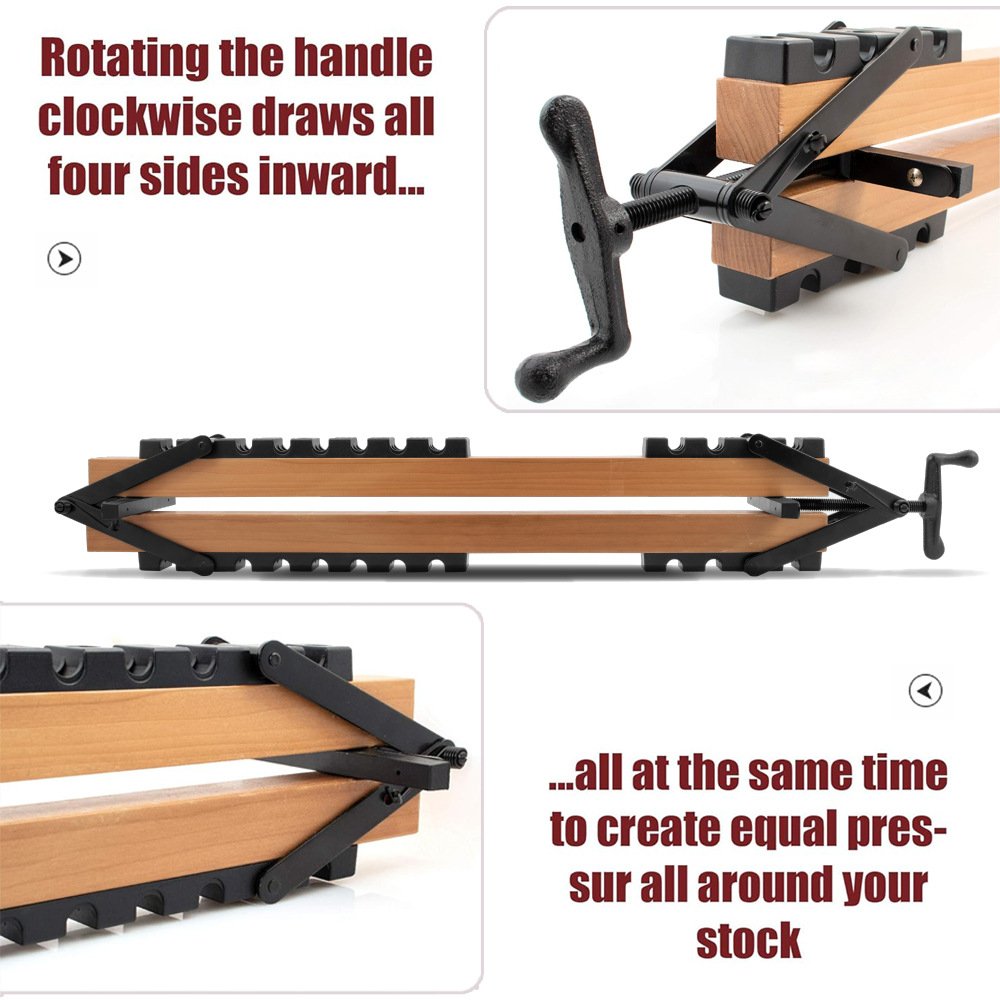
Every woodworker knows the frustration: You spend hours selecting, milling, and arranging the perfect lumber for a dining tabletop, only for the boards to bow and buckle the moment you torque down your traditional pipe or bar clamps.
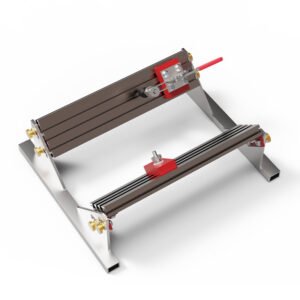
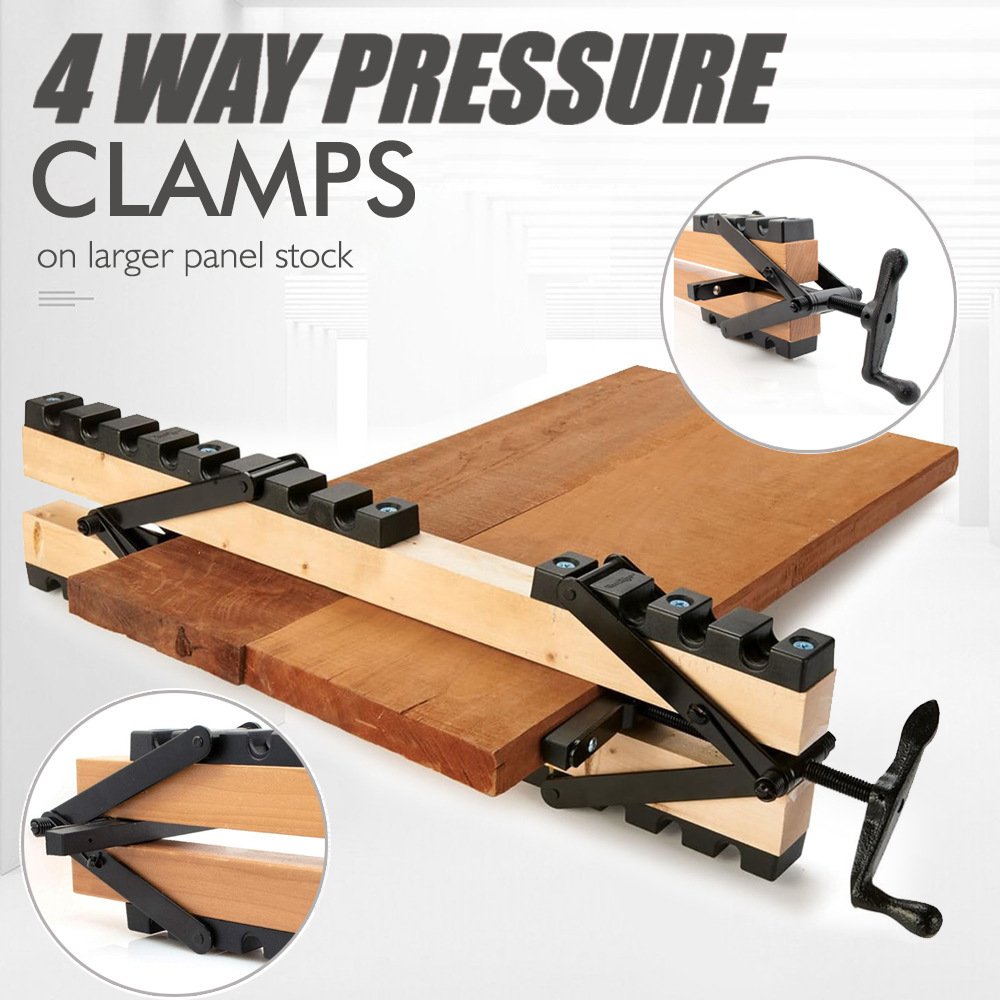
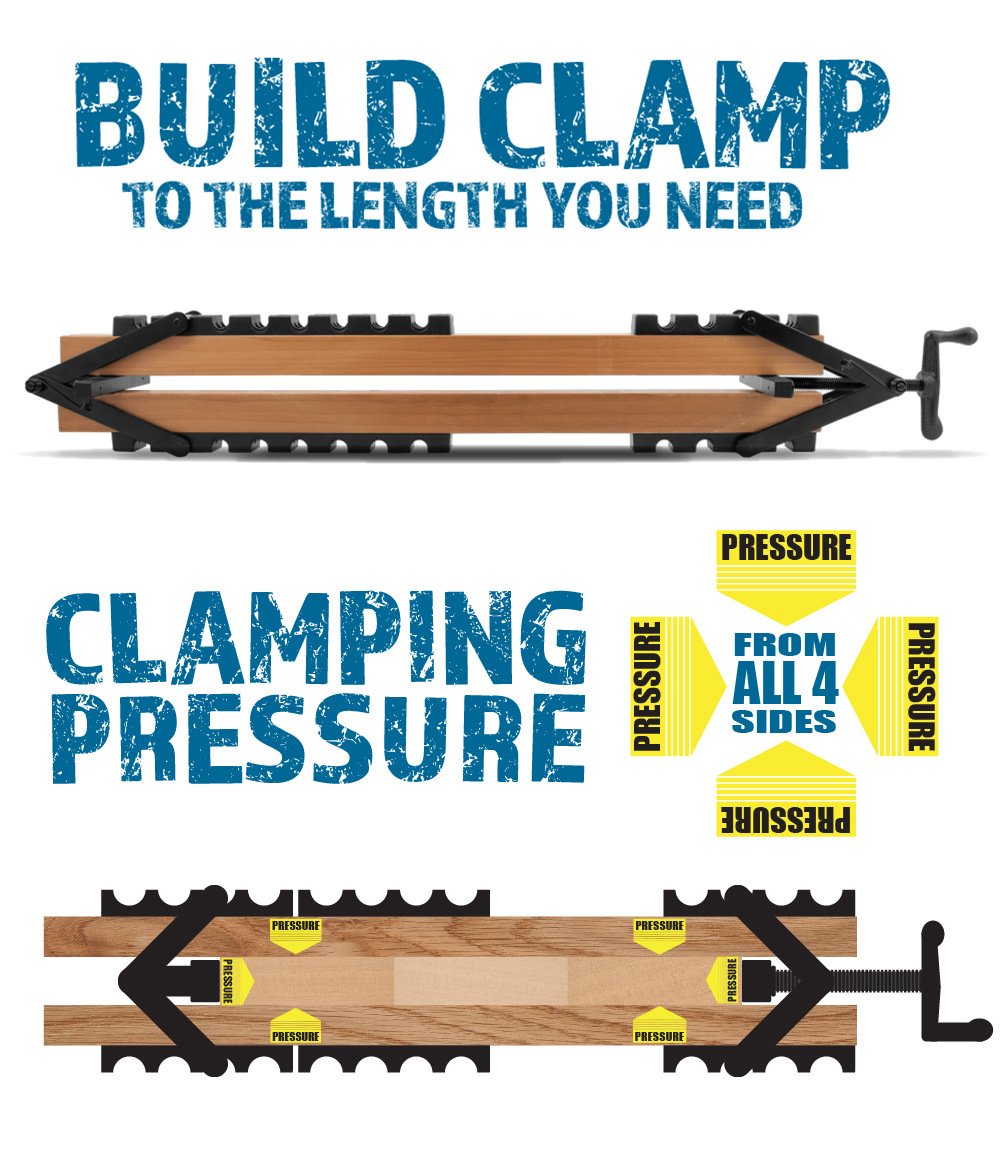
Standard clamps only push from the sides, turning your flat panel glue-up into a high-stress wrestling match. The Premium 4-Way Panel Clamping System | FixPartHub Edition solves this fundamental workshop headache by introducing directional synchronization. As you apply lateral force, the patented interlocking notches draw the upper and lower timber cauls together, locking your boards dead flat while the wood glue cures.
Simultaneous top, bottom, and side pressure yields seamless joints with zero bucking.
Mount to custom-cut 2″ x 1-5/8″ wood bars to clamp panels of any width.
Shift capacities in seconds by sliding the turning jigs along the integrated notches.
Step-by-Step Workshop Setup
This hardware kit comes fully pre-engineered for rapid deployment. Follow these industrial sequence instructions for flawless panels:
- Prepare the Wood Cauls: Source standard timber and rip it down to 2″ wide x 1-5/8″ thick. Cut them to the maximum width required for your specific woodworking project.
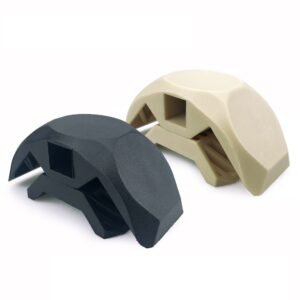
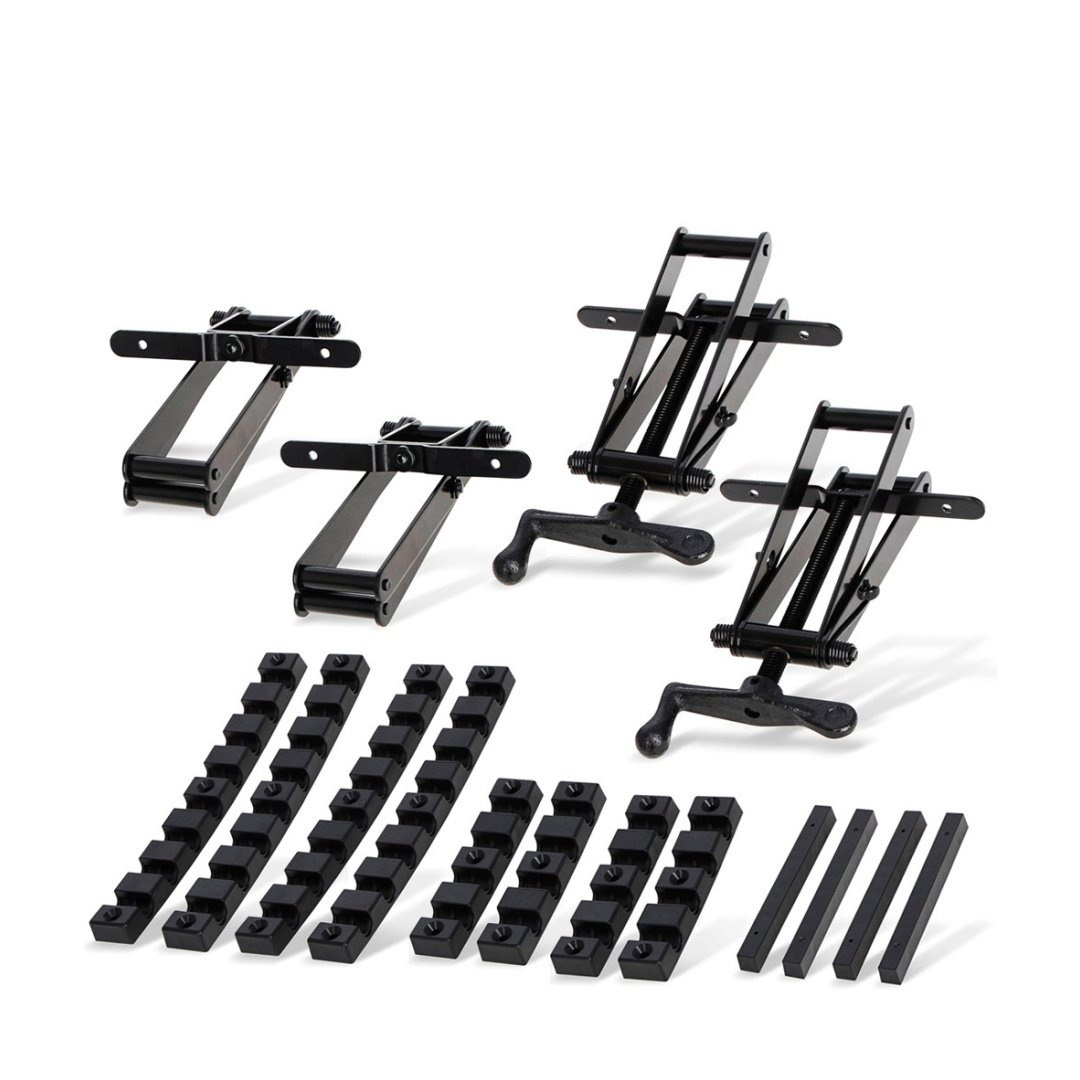
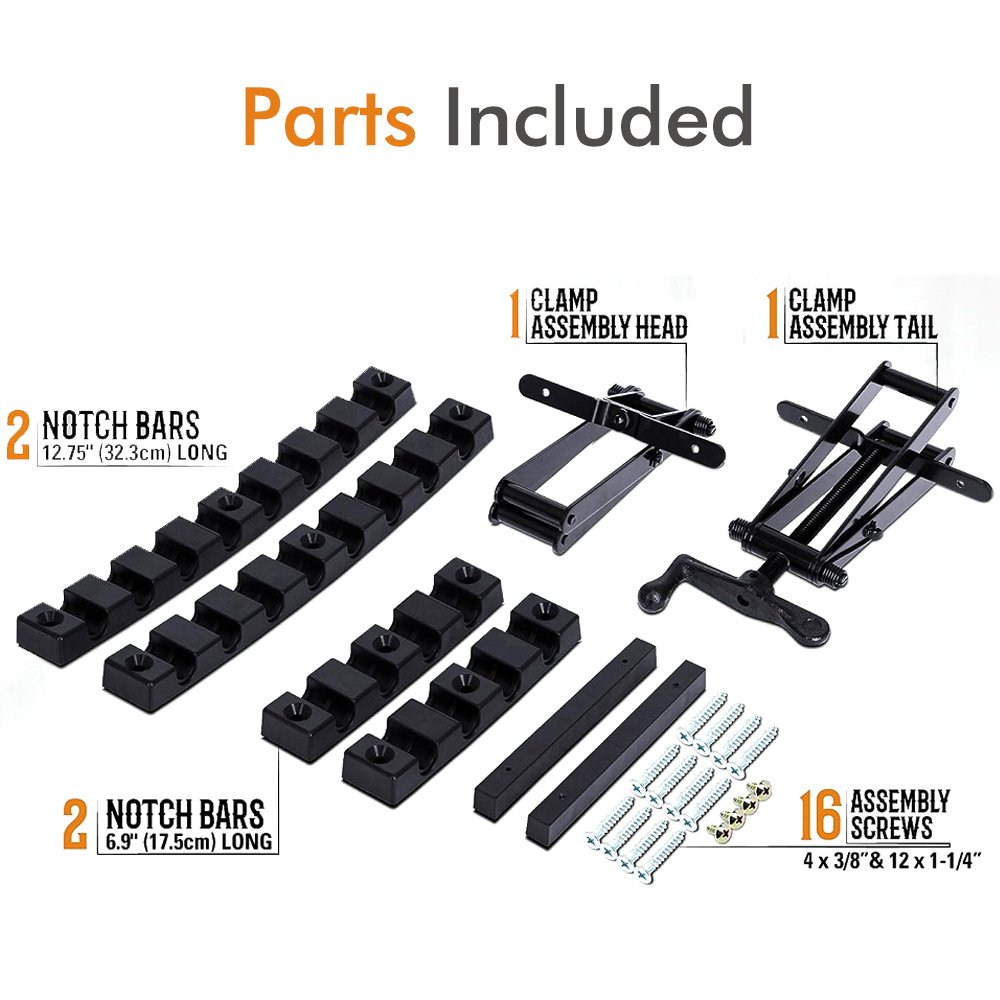
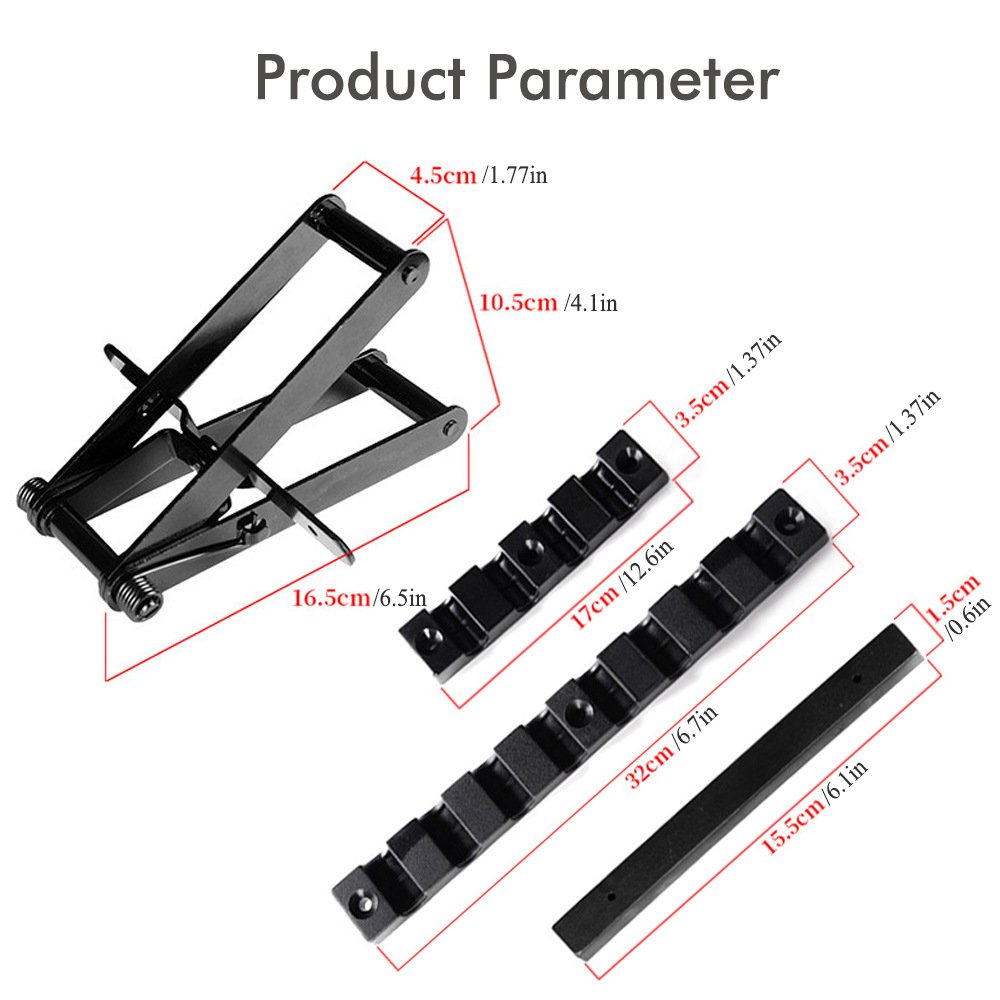
- Attach the Hardware: Align the heavy-duty plastic clamp bars onto your timber. Ensure that on each piece of wood, you match one 12-3/4″ Long Tail Bar with one 6-3/4″ Short Tail Bar. Fasten them securely using the deep-thread wood screws provided in the kit.
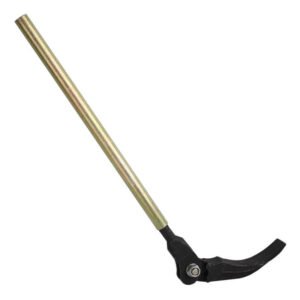
- Position the Turning Jigs: Slide the main Turning Handle Jig onto the Long Tail Bar, and slide the non-handled mating jig onto the opposing Short Bar.
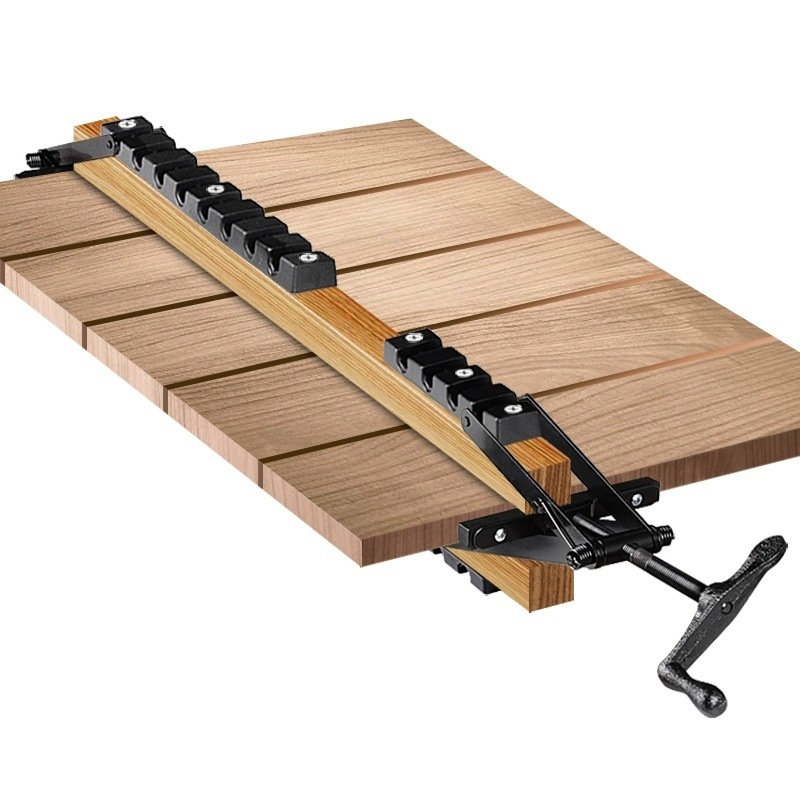
- Lock and Clamp: Arrange your glued boards between the upper and lower wood cauls. Select the appropriate notches to match your panel width, and smoothly rotate the cast handle clockwise to exert massive, uniform clamping force.
⚠️ Pro Technical Precautions:
To protect your premium clamping hardware from curing adhesive, we recommend applying a strip of simple packing tape along the inside face of your custom timber cauls prior to gluing up. This allows squeezed-out wood glue to pop off effortlessly once dry, ensuring the notched tracks stay clear for life.
Tech Q&A: Engineering & Selection Insights
❓ Q: What are the exact timber dimensions required to build the wood cauls?
A: The plastic clamp bars are precisely molded to sit onto timber measuring 2″ (width) x 1-5/8″ (thickness). You can easily rip down standard construction-grade 2×4 lumber on a table saw to meet these exact dimensions.
❓ Q: What is the maximum thickness of lumber this system can clamp flat?
A: This four-way system comfortably handles stock panel thickness ranging from thin boards up to a massive 6 inches thick, making it ideal for everything from chopping blocks to heavy timber countertops.
❓ Q: Why are the clamp components made of heavy-duty polymers instead of cast iron?
A: Engineering polymers provide high tensile elasticity under load without adding massive weight to your workbench. More importantly, unlike cast iron, this advanced material will not react chemically with wood glues (like PVA), preventing ugly black iron stains on your premium hardwood panels.
At FixPartHub, we cut out the branding middlemen to supply industrial-grade jigs directly to active workshops. Upgrade your assembly bay, eliminate post-glue-up planing, and achieve perfectly flat joints every single run.
For optimal pressure distribution and dead-flat results, we recommend placing a 4-way panel clamping system every 12 to 18 inches along the length of your glue-up. For a typical 4-foot coffee tabletop, a configuration of 3 to 4 clamp sets yields the most consistent, seamless joints.
No. The clamp tracks and components are molded from high-density engineered polymers that resist standard wood adhesives like PVA and polyurethane. Any cured squeeze-out can be easily flaked off with a scraper or a fingernail.
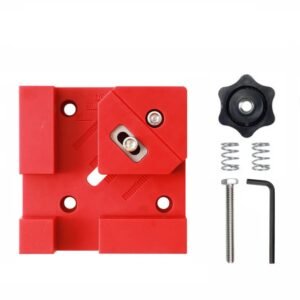
The kit contains the complete heavy-duty 4-way hardware setup including turning handle jigs, mating notch jigs, plastic clamp tail bars, and structural mounting wood screws. The wooden timber bars are sourced and cut to length by the user to match their specific workspace limits.