Anyone who has built a custom kitchen cabinet or a dining table knows the struggle: trying to hold two heavy pieces of plywood perfectly square while simultaneously reaching for your drill to drive a pocket screw. It usually results in a slipped joint and a ruined edge.
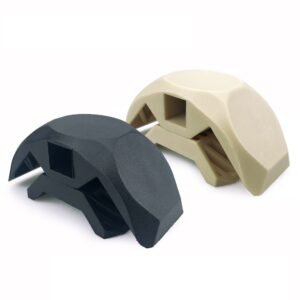
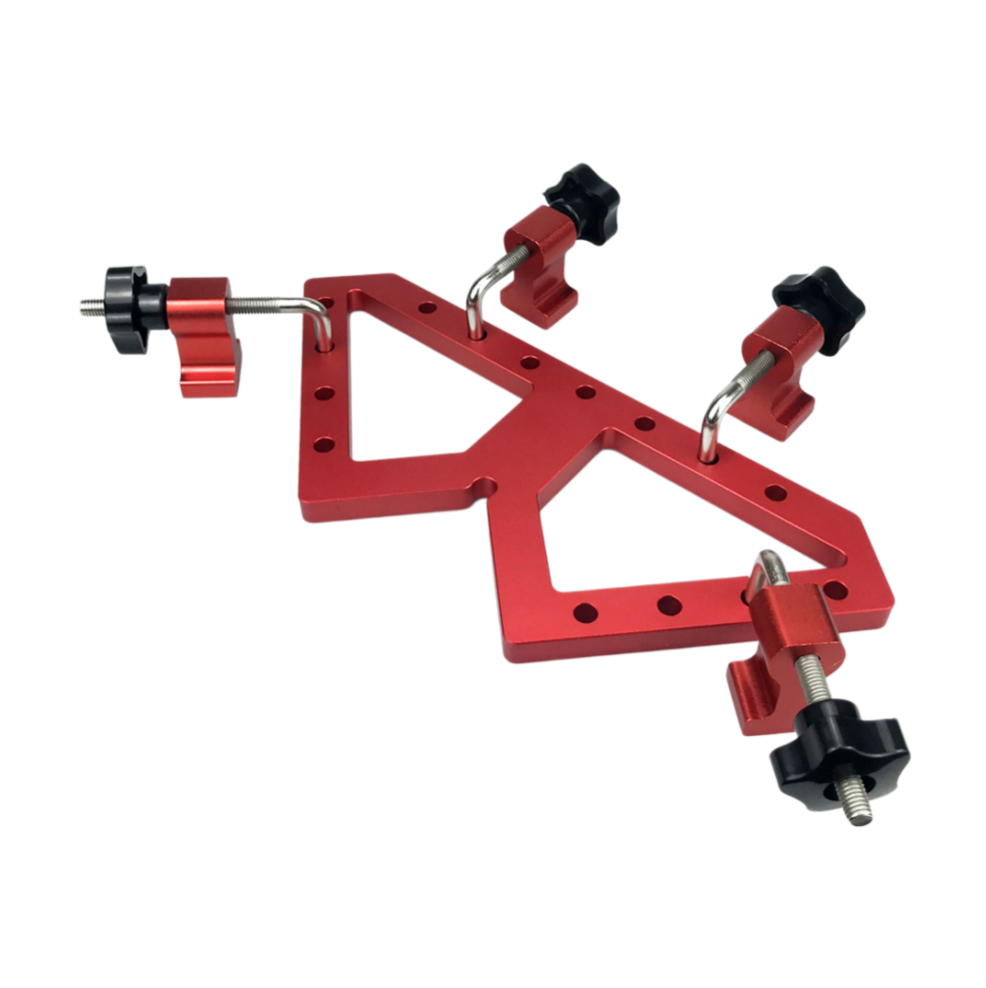
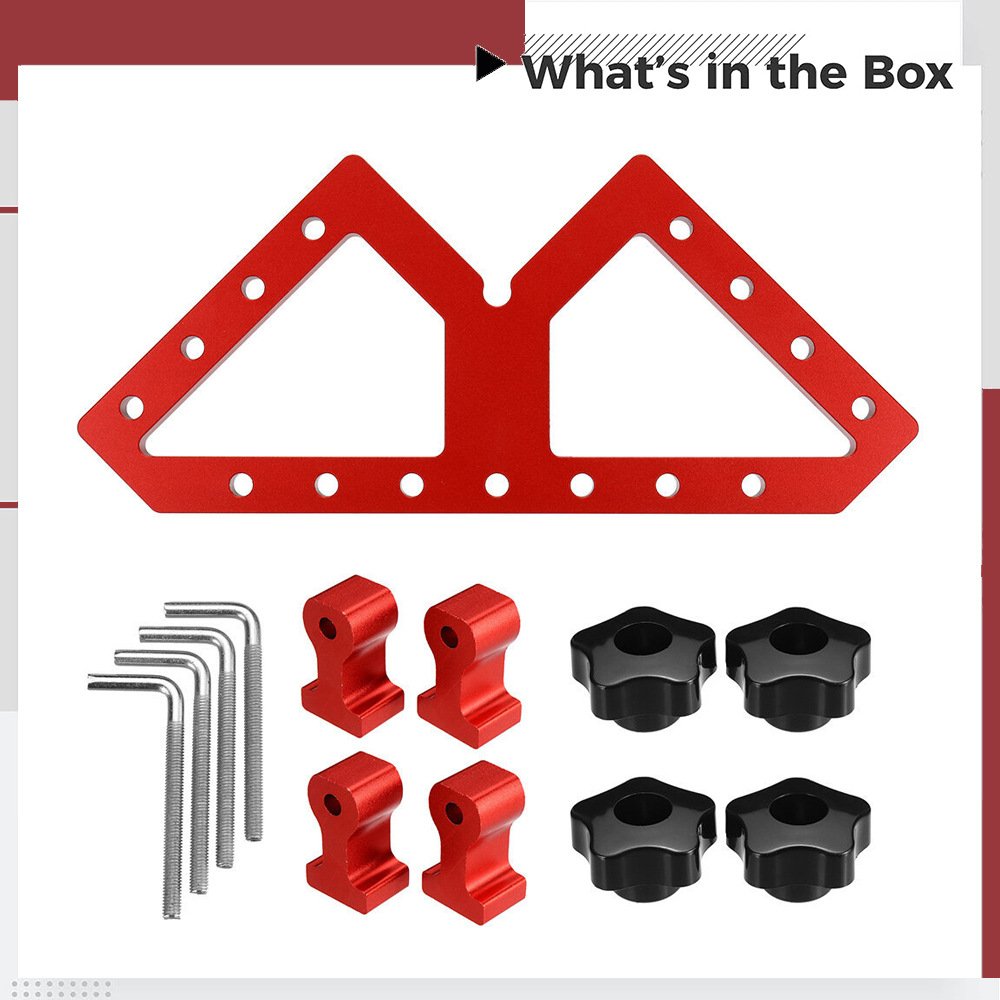
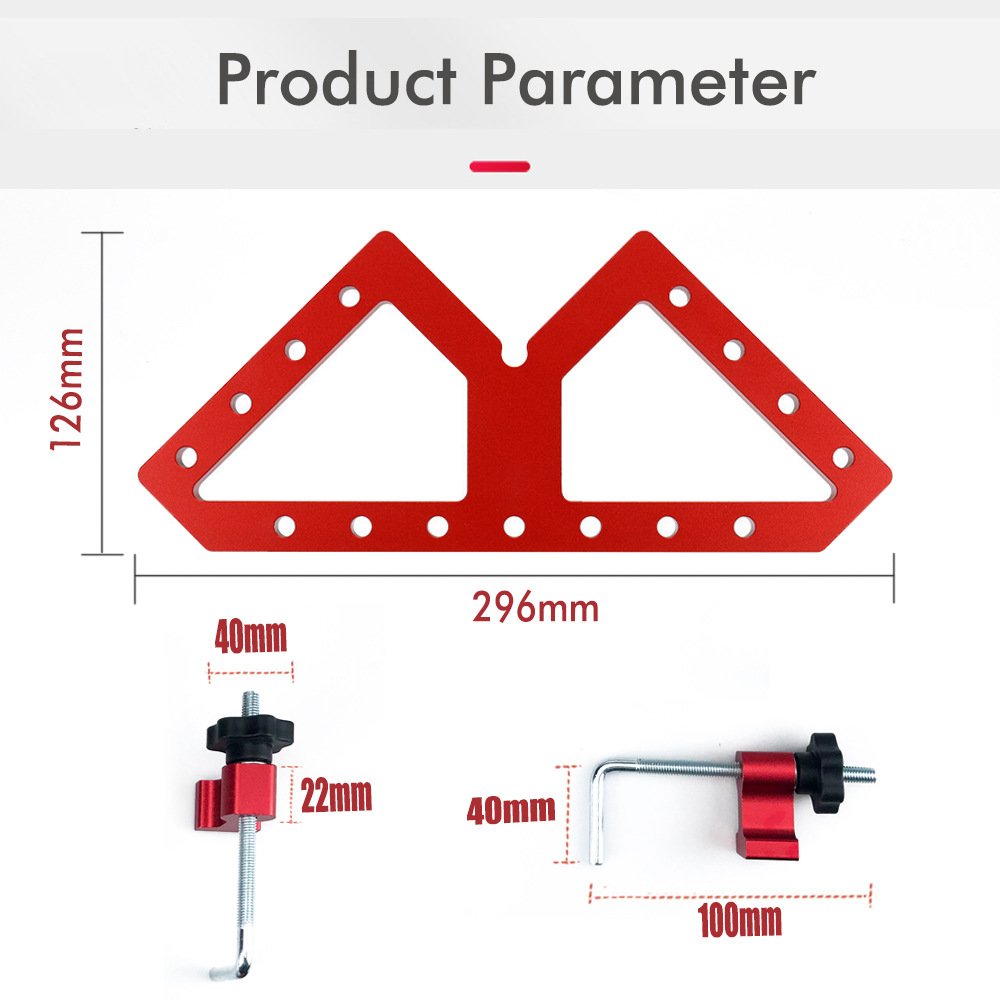
Standard right-angle clamps are often too bulky or lack the necessary reach to secure internal joints like table aprons. The Premium W-Style Corner Assembly Jig | FixPartHub Edition is engineered to be your mechanical apprentice. Weighing in at a massive 1080 grams of solid CNC-machined aluminum, this jig acts as an immovable reference block. Simply clamp it into the corner of your workpiece, and it instantly locks your boards dead-square, giving you the freedom to drive your fasteners perfectly every single time.
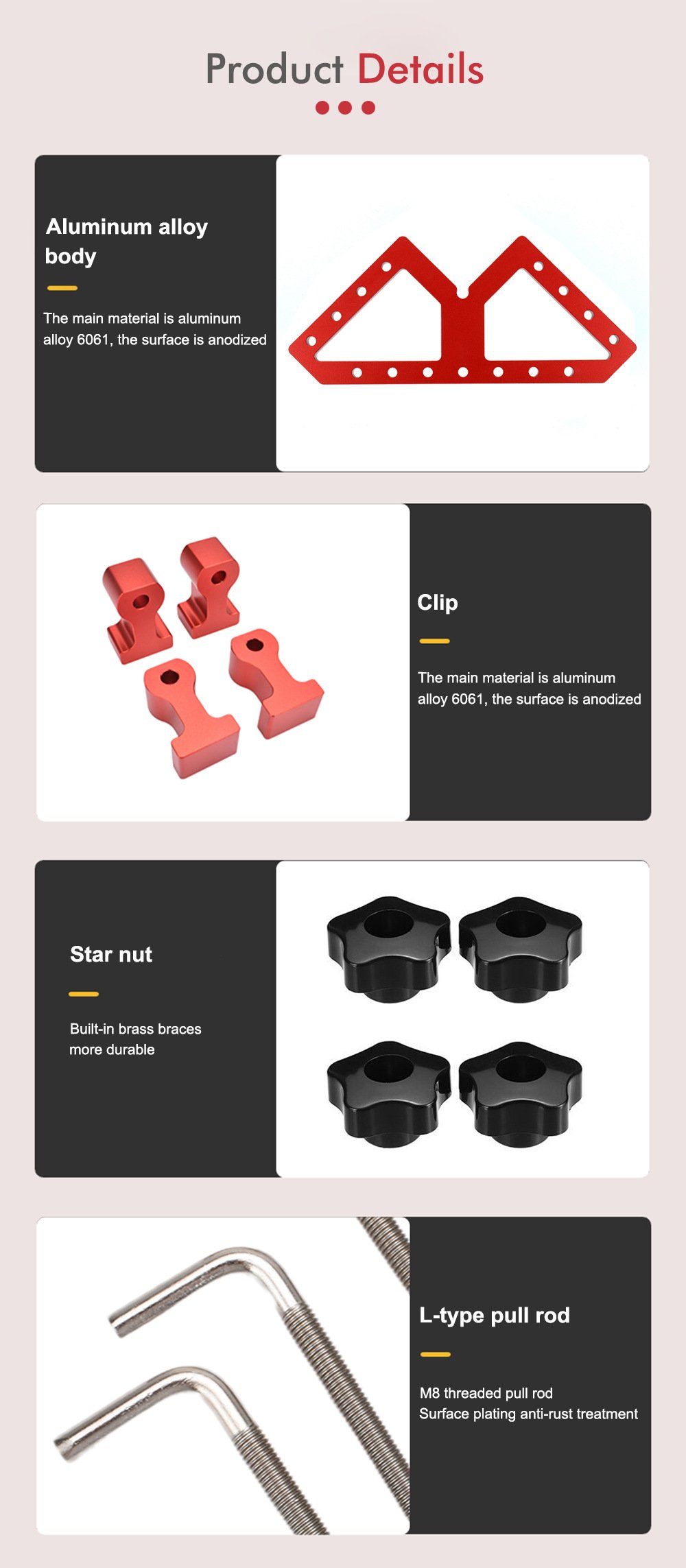
Heavyweight aluminum block absorbs vibration and resists high clamp torque.
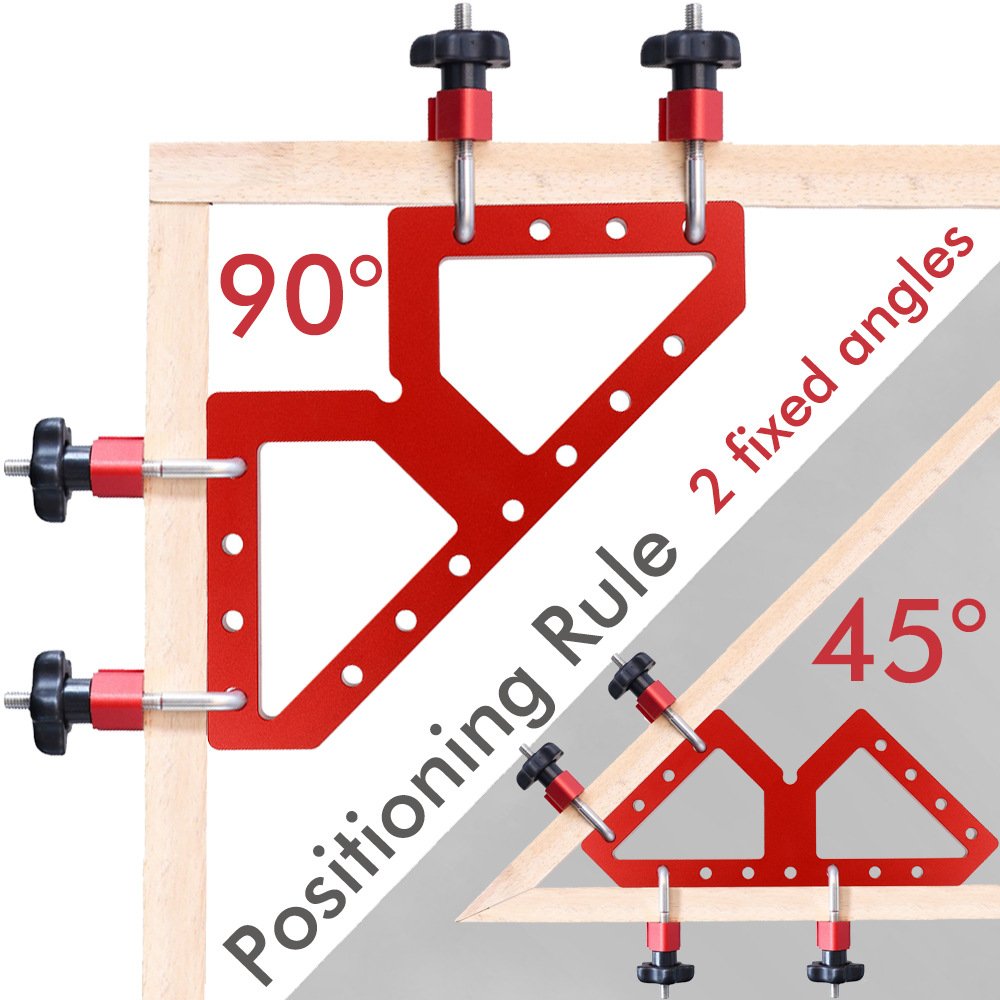
Machined to exacting tolerances for flawless 90-degree internal and external joints.
The W-cutout provides massive clearance for drills, nailers, and pocket screws.
Workshop Setup: How to Master the W-Jig
Whether you are splicing panels or setting a recessed table skirt, this jig simplifies the process into three effortless steps:
- Position the Reference Block: Place the two pieces of wood you intend to join at a rough 90-degree angle. Drop the W-Style Jig into the inside (or outside) corner of the joint.
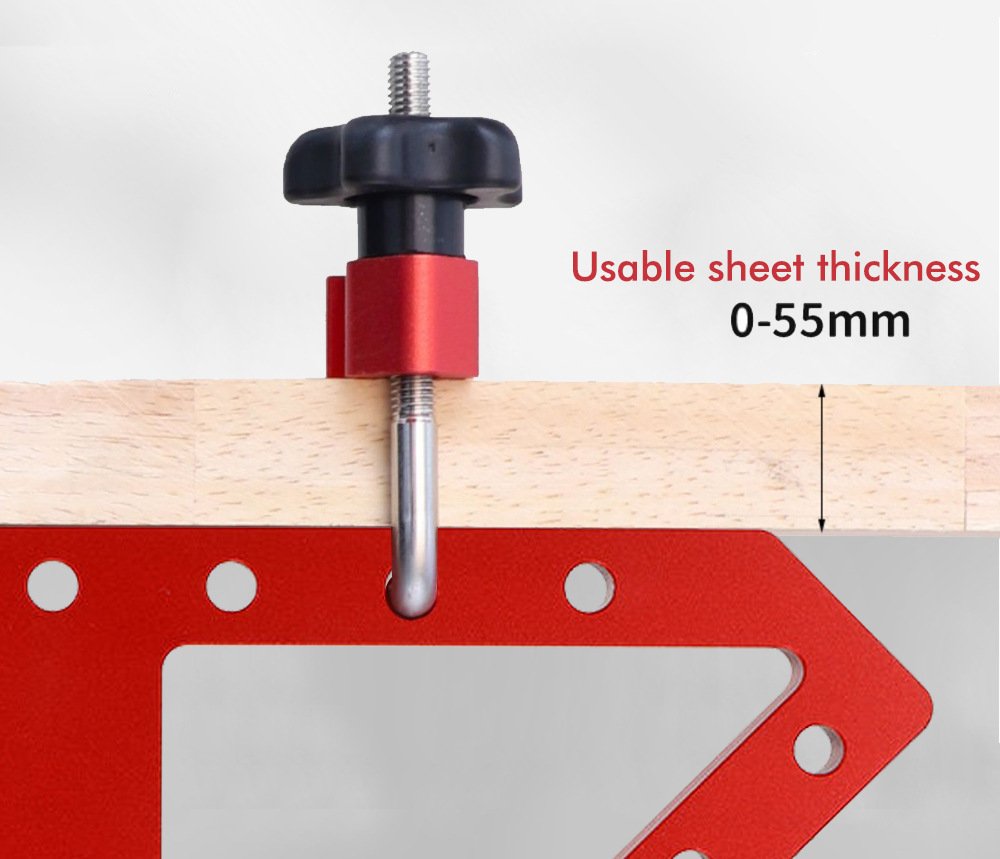
- Apply the Clamps: Use two standard F-clamps or quick-grip bar clamps. Hook one jaw of the clamp onto the dedicated clamping notch of the aluminum jig, and the other jaw onto the outside face of your wood. Repeat for the second board.
- Drive the Fasteners: Once the clamps are tightened, the joint is now locked dead-square and flush. Utilize the wide “W” cavity opening to comfortably drive your pocket screws, brad nails, or dowels without the jig getting in the way.
⚠️ Glue-Up Best Practices:
Because this block is milled from high-grade aluminum, it will not permanently bond to standard PVA wood glues. However, to maintain the pristine CNC-machined surface and ensure lifetime accuracy, we highly recommend wiping away any wet glue squeeze-out from the jig’s faces immediately after securing your fasteners.
Tech Q&A: Assembly Engineering Insights
❓ Q: Why is this jig so heavy (1080g) compared to standard plastic squares?
A: Mass equals stability. When you are assembling large, heavy 3/4-inch plywood cabinet carcasses, plastic jigs will bend or flex under the pressure of the bar clamps, throwing your joint out of square. Our solid 1080g aluminum block absolutely will not deflect, ensuring a true 90-degree lock under extreme clamping torque.
❓ Q: Does this kit include the bar clamps needed to secure it to the wood?
A: No. This product includes the heavy-duty aluminum W-Style positioning block itself. It is designed to be universally compatible with the standard F-style clamps, C-clamps, or quick-grip trigger clamps that you already have hanging in your workshop.
❓ Q: Can it be used for assembling drawers as well as large cabinets?
A: Absolutely. While it possesses the mass to handle large wardrobe boxes, the machined contact faces are perfectly suited for pulling together delicate 1/2-inch drawer box materials with total precision.
At FixPartHub, we believe that fighting your materials is the fastest way to ruin a build. Invest in industrial-grade assembly jigs and start building dead-square furniture with the speed and accuracy of a master cabinetmaker.
The W-shape design features deep cutaways and stepped clamping zones. This allows you to apply clamping pressure at multiple angles and provides massive open clearance at the actual joint, giving you unobstructed room to drive screws or pneumatic nails precisely where they are needed.
Yes. The CNC-machined aluminum block is perfectly square on both its interior and exterior faces. You can clamp it to the inside corners of a drawer or the outside corners of a large cabinet carcass with equal accuracy.
No. The aluminum alloy surface is professionally treated and finished to prevent oxidation transfer, ensuring your expensive hardwoods remain pristine and ready for final finishing without the need for excessive sanding.