Building high-end, frameless cabinetry requires flawless, invisible joints. Exposed screws look amateurish, wooden dowels are a nightmare to align perfectly, and traditional cam-lock fasteners leave ugly metal circles inside your cabinets.
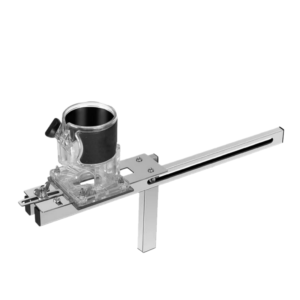
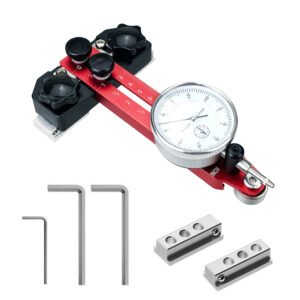
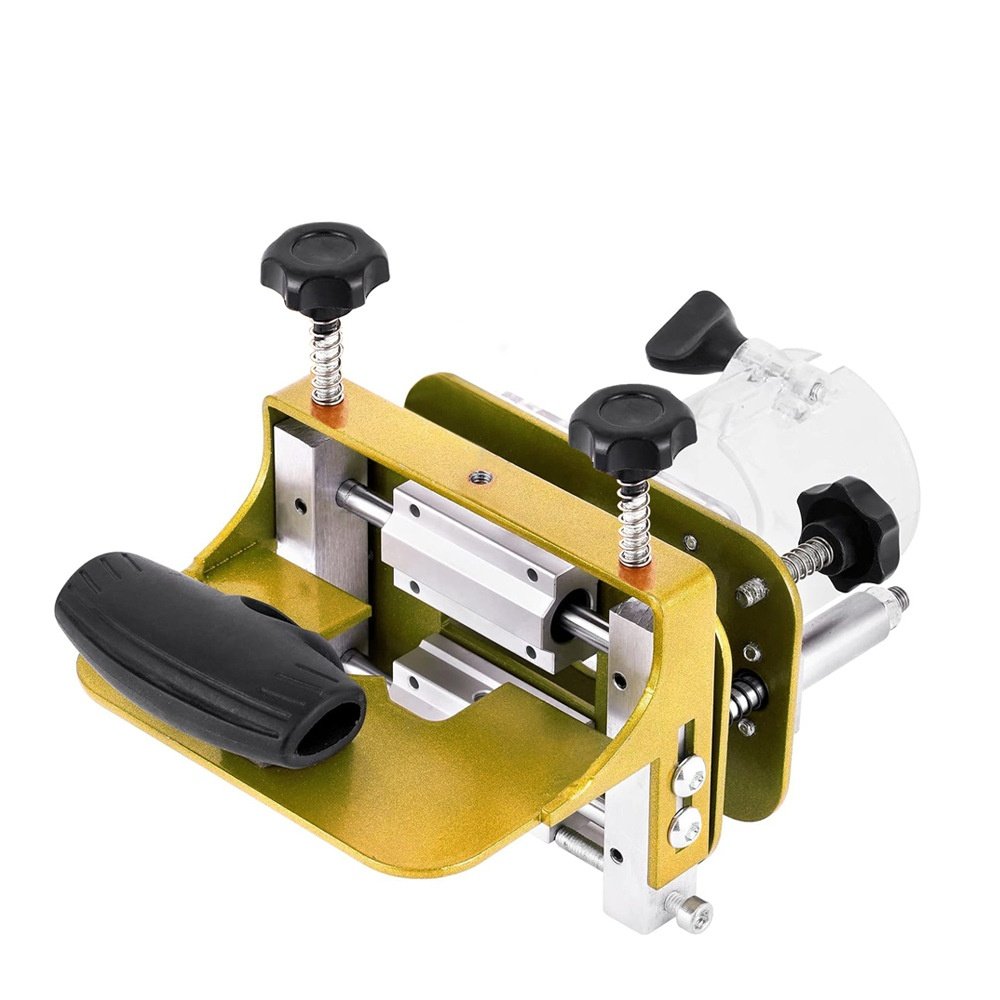
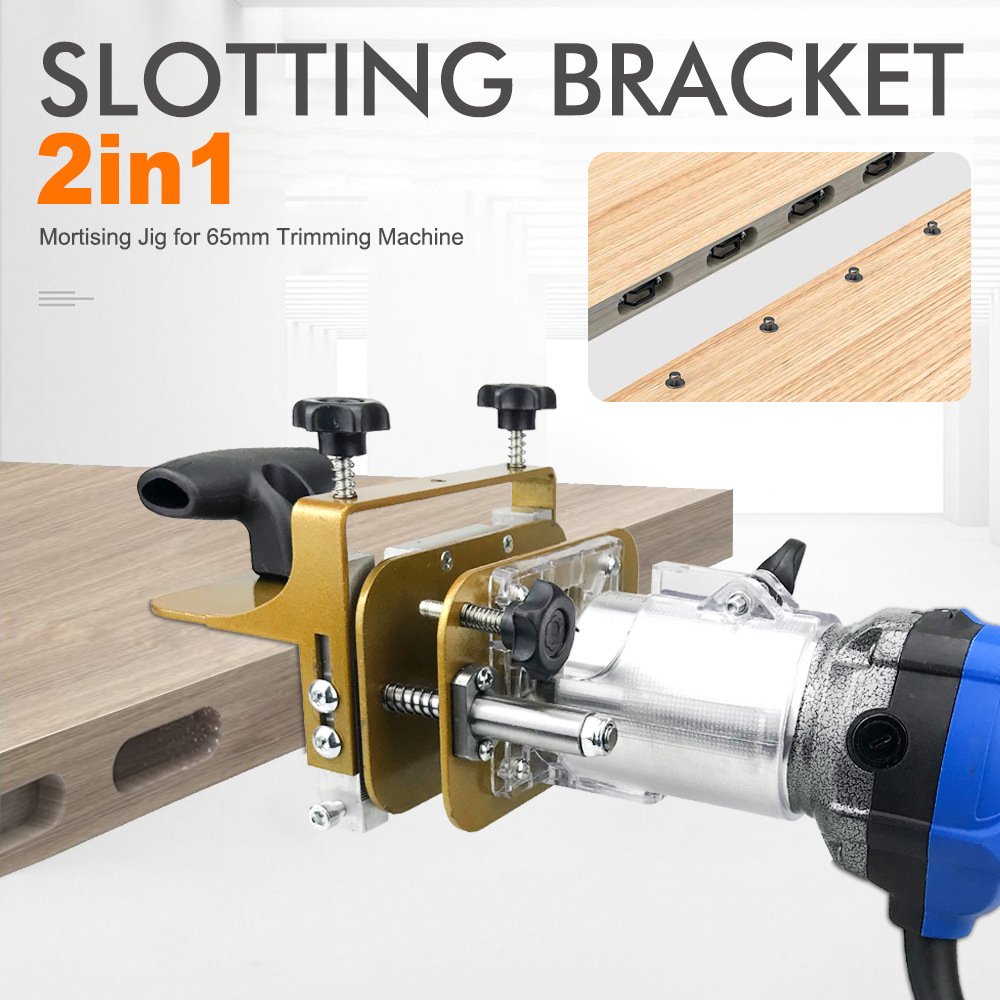
Until now, the only way to achieve truly hidden joints was dropping over a thousand dollars on specialized European domino or biscuit machines. The Premium Invisible Fastener Router Jig | FixPartHub Edition changes the game entirely. By acting as a heavy-duty, guided exoskeleton for your standard compact router, this 2.05kg aluminum fixture allows you to mill exact, repeatable keyhole slots for modern 2-in-1 invisible slide fasteners. Build museum-quality cabinets, floating shelves, and flat-pack furniture with zero exposed hardware.
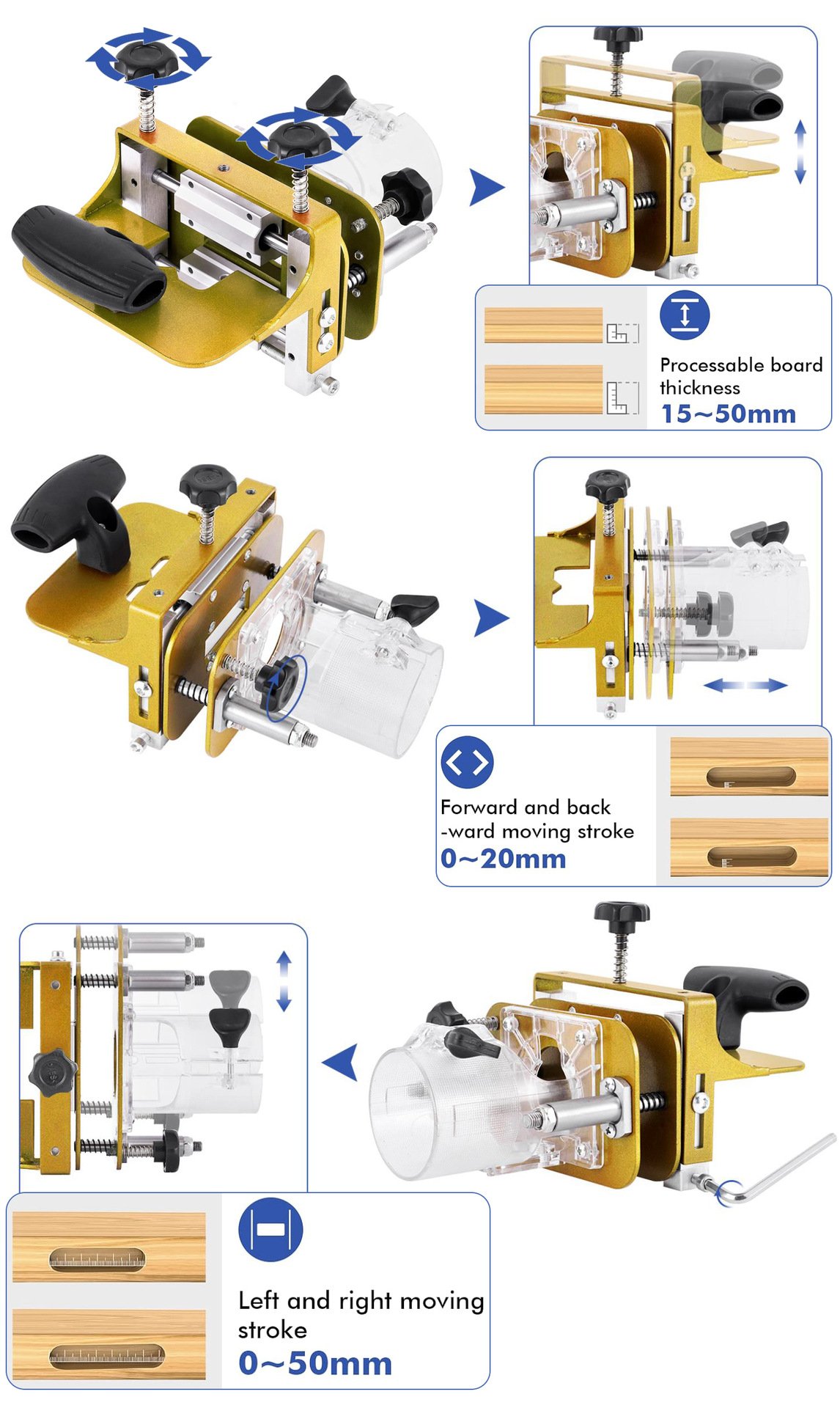
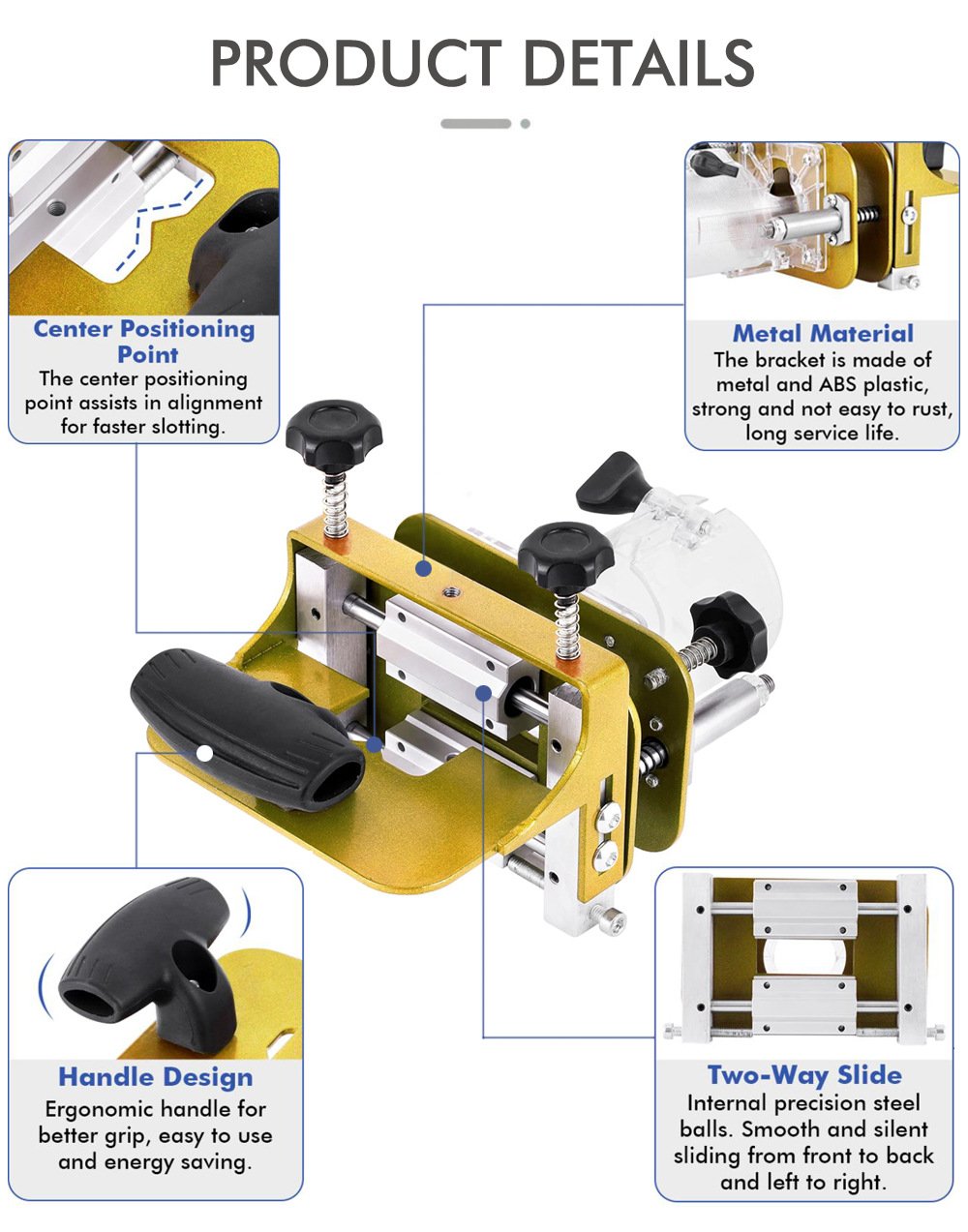
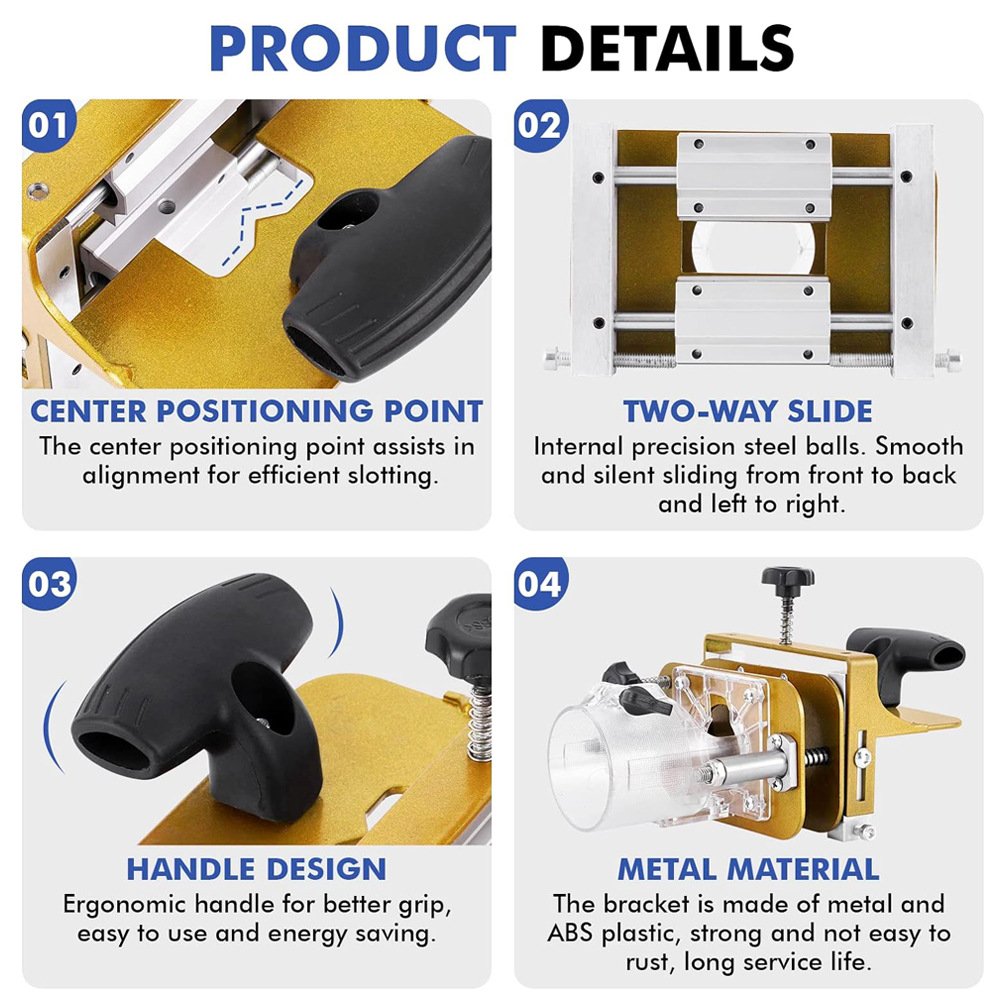
The massive 2050g aluminum block absorbs all router torque and vibration.
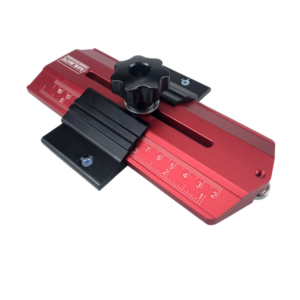
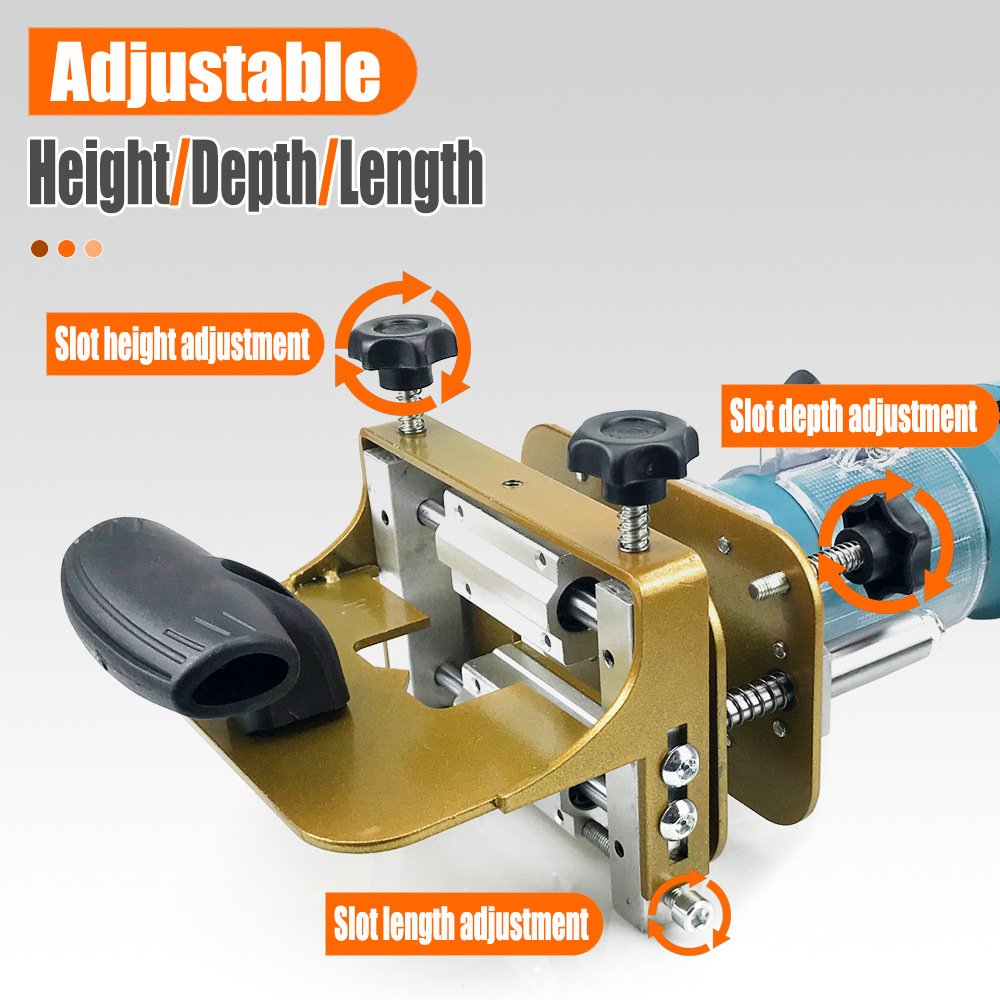
Adjustable lateral stops ensure your mortise is perfectly centered on the board edge.
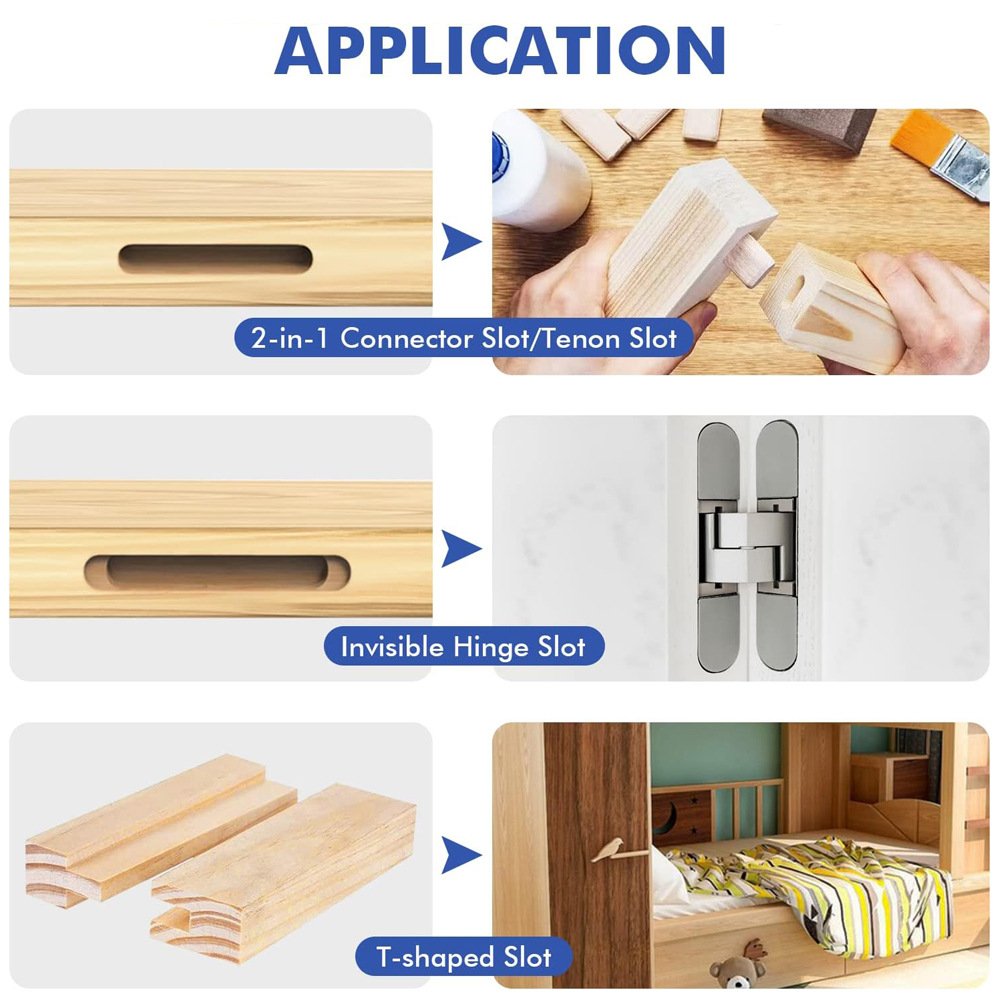
Routs the exact profile required for slide-in, lock-tight invisible hardware connectors.
Workshop Workflow: Executing the Invisible Joint
Convert your compact palm router into an industrial joinery machine with these simple steps:
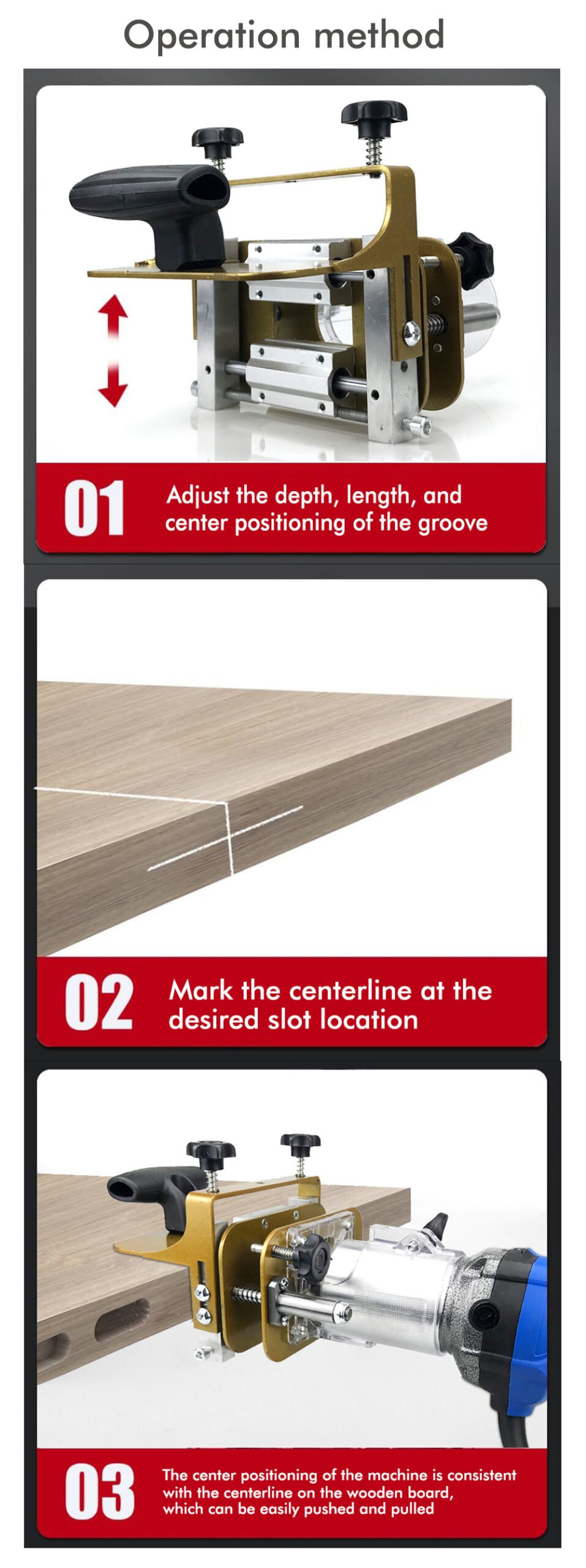
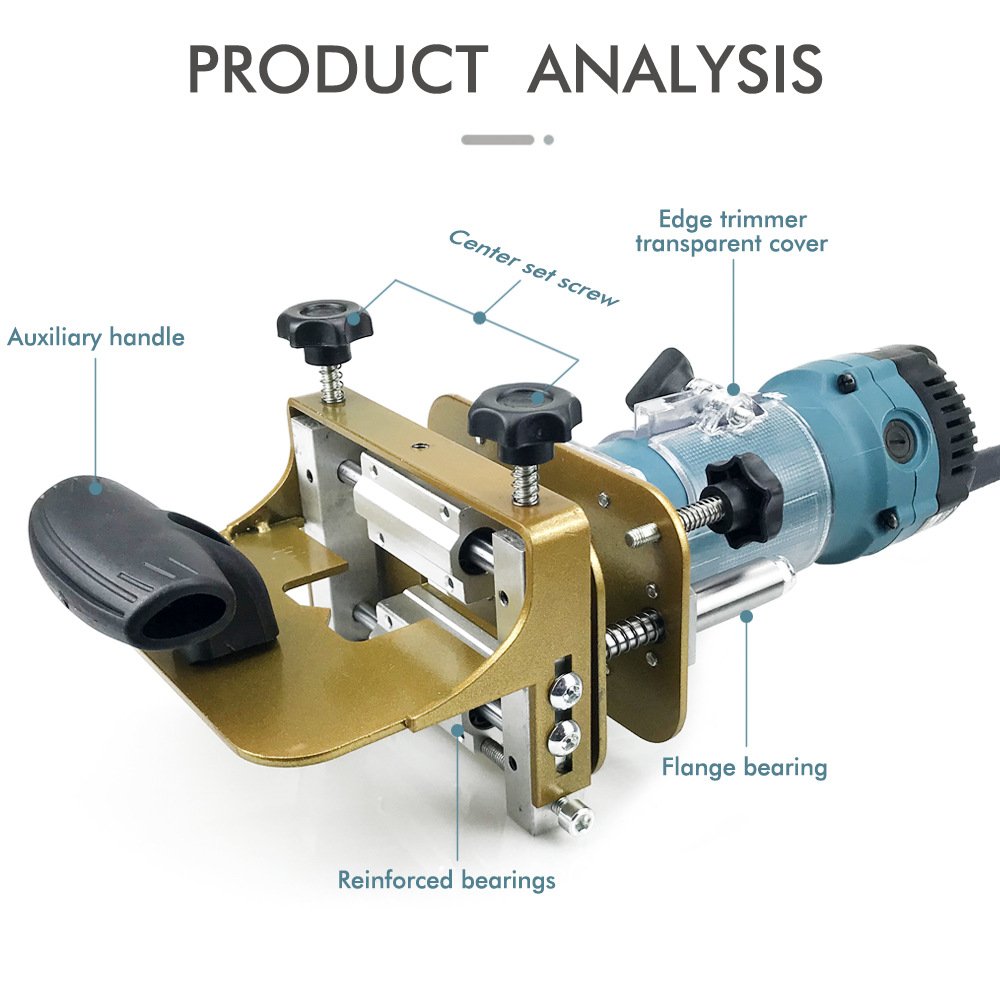
- Mount the Router: Remove the factory plastic base from your compact trim router. Slide the cylindrical motor body into the aluminum collar of our jig and tighten the locking bolt securely.
- Calibrate the Depth & Center: Install your specific T-slot or keyhole router bit. Use the jig’s laser-etched scale to set your plunge depth. Adjust the side fence plates so the bit aligns perfectly with the center thickness of your wood panel.
- Clamp and Slot: Align the jig’s center mark with the layout line on your board. Clamp the heavy aluminum base to the wood. Turn on the router, slide the carriage smoothly forward to cut the slot, and retract.
- Slide to Lock: Insert your 2-in-1 invisible fasteners into the freshly cut slots on both connecting boards, slide them together, and enjoy a perfectly flush, structurally rigid joint with no visible hardware.
⚠️ Operational Best Practice:
Plunging a keyhole bit into dense hardwood generates significant chip buildup. To prevent burning the router bit or stalling the motor, perform the cut in a smooth, steady motion. Always hook a shop vacuum to the extraction port area to clear debris instantly, ensuring a clean, accurate mortise for your fasteners.
Tech Q&A: Tool Fitment & Fastener Compatibility
❓ Q: Will this fit my specific brand of compact router?
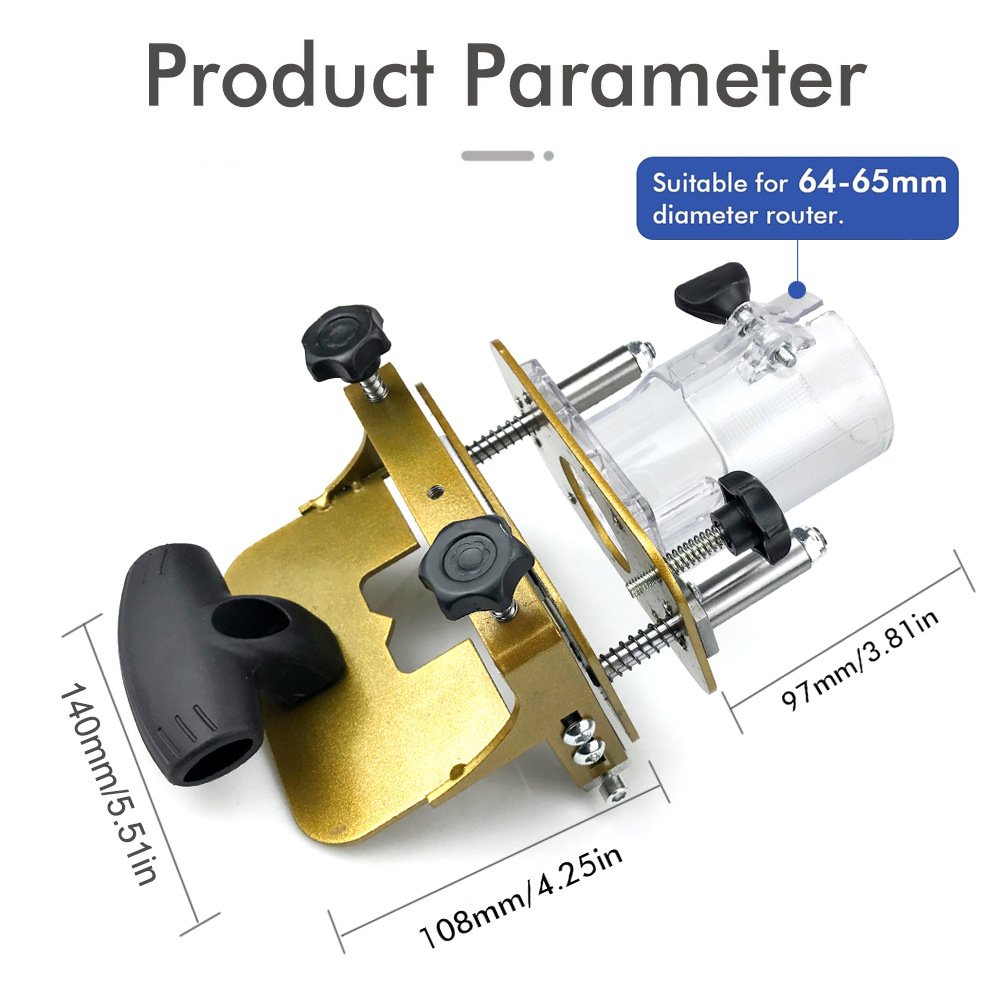
A: The mounting collar is engineered to accept standard cylindrical compact trim routers (commonly 65mm / 2.56-inch body diameters). This covers the vast majority of professional palm routers on the market. Simply measure the diameter of your router motor to confirm.
❓ Q: Why is this bracket so heavy (2050g)?
A: Mass is critical for precision joinery. A lightweight plastic jig will flex, lift, or chatter when the router bit bites into dense oak or maple. The 2050g solid aluminum chassis acts as an anchor, forcing the router to glide along an absolutely rigid, linear axis.
❓ Q: What kind of fasteners is this jig designed for?
A: This guide is specifically built for cutting mortises and T-slots required for modern 2-in-1 invisible connectors (slide-and-lock hardware). These are heavily used in flat-pack furniture design and custom cabinet assembly where no exterior screw holes are permitted.
They are specialized hidden hardware connectors used in cabinetry and furniture making. Unlike traditional cam-locks or screws that leave visible marks on the surface, these fasteners are embedded entirely inside the edges of the wood. The boards simply slide and lock together, creating a perfectly clean, seamless joint.
Yes. Depending on the exact brand of invisible fastener you are installing, you will need the corresponding T-slot or keyhole router bit. The jig itself is the precision guidance mechanism; your router and chosen bit execute the actual cut.
Because it provides an incredibly stable, perfectly centered sliding carriage, you can absolutely use this jig with a standard straight bit to cut traditional mortises, loose tenon joints, or deep grooves on the edges of doors and panels.