Don’t Throw Away Your Rotary Tool
High-speed rotary tools are the backbone of detailed woodworking, metal polishing, and precision cutting. Operating at speeds up to 35,000 RPM, the internal friction generated is immense. The carbon brushes inside your tool are designed to be the sacrificial wear component. Over time, usually after 50-60 hours of continuous heavy use, they simply wear away to nothing.
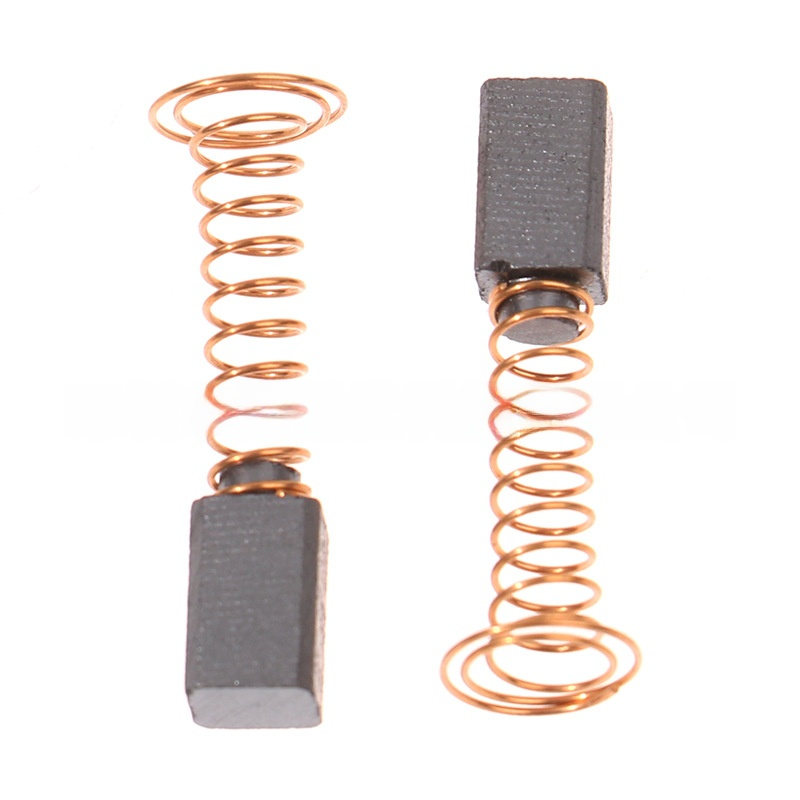
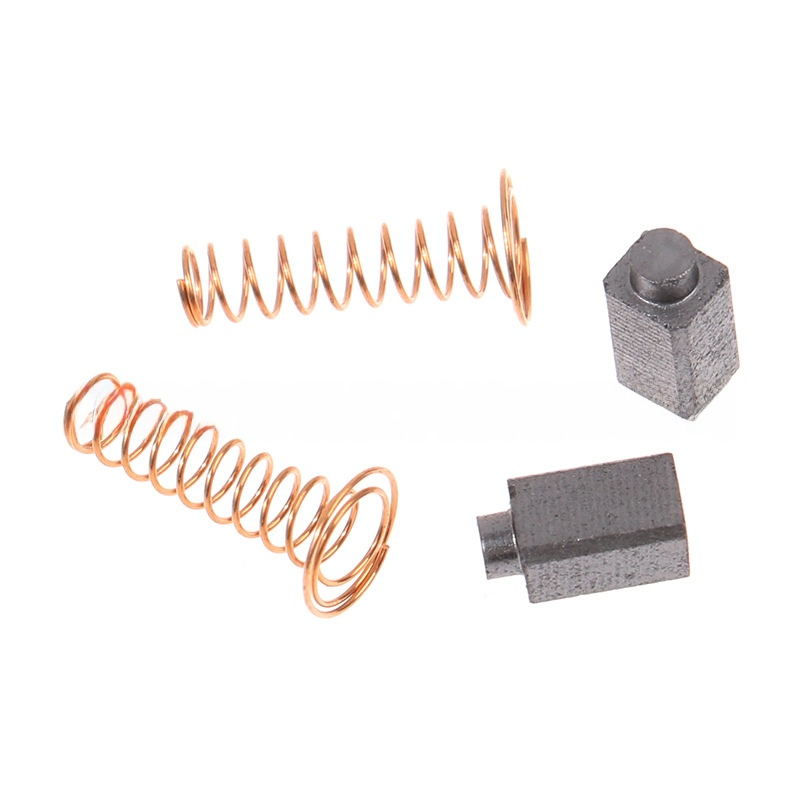
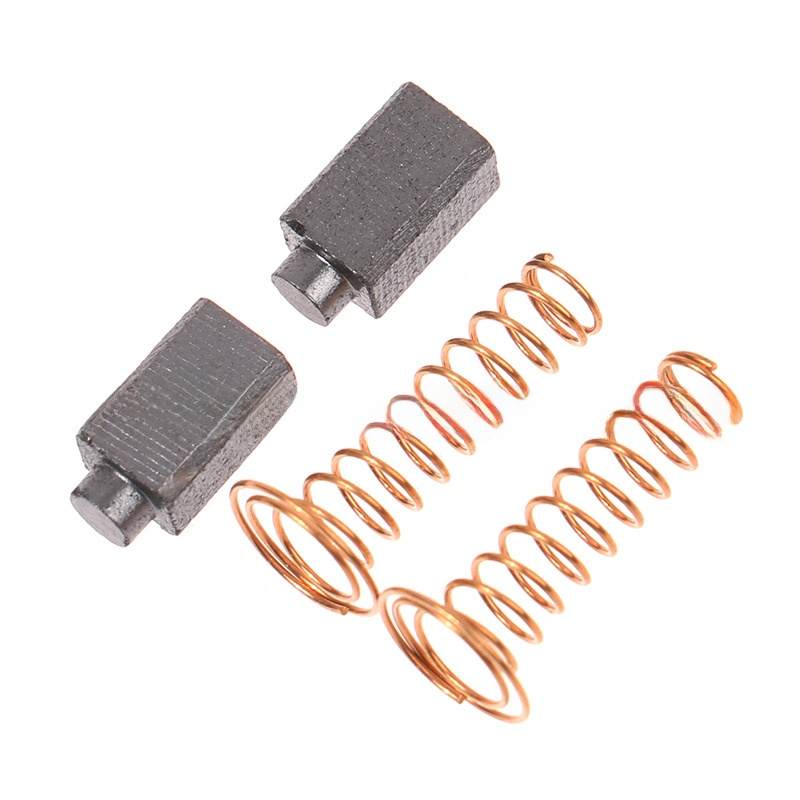
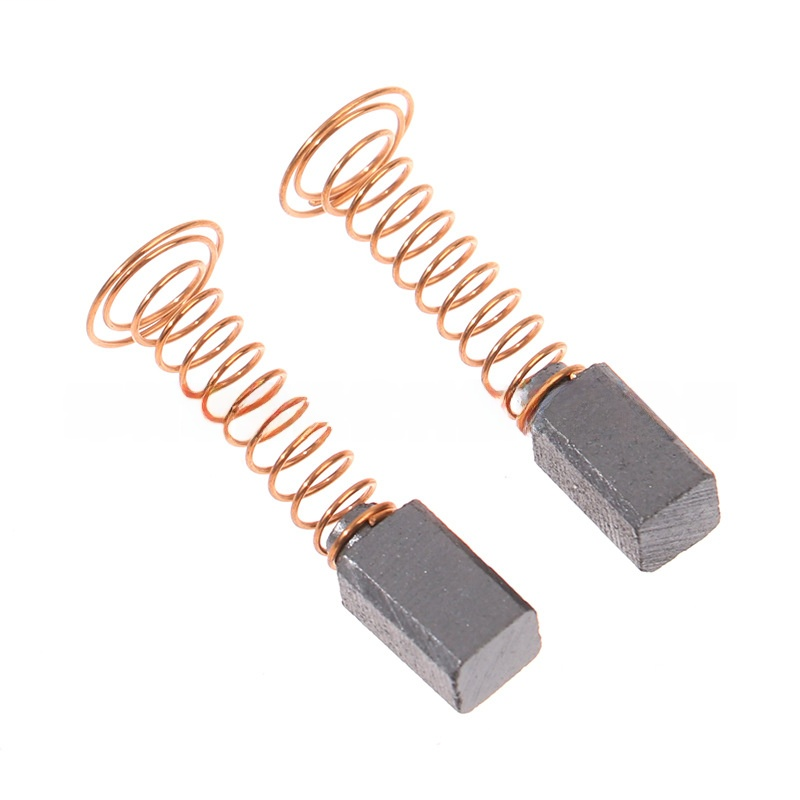
Before you assume the motor is dead and buy a new tool, inspect the brushes. If your tool requires you to tap the housing to start spinning, loses torque when you press a sanding drum into wood, or shoots aggressive sparks, you simply need a fresh set of our FixPartHub Premium Aftermarket 90930-04 Brushes to restore 100% of its original power.
The “Break-In” Protocol for High-Speed Motors
Because rotary tools spin much faster than standard drills, replacing the brushes requires a specific “break-in” process to prevent damage to the new carbon blocks and the copper commutator:
- Clean the Commutator: Before dropping the new brushes in, blow out the brush ports with compressed air to remove old carbon dust.
- Do Not Carve Immediately: After installing the new brushes and securing the plastic caps, do NOT immediately start cutting or sanding.
- Run Free-Load: Turn the tool on at a medium speed (around 15,000 RPM) and let it run freely in the air for 5 to 10 minutes. This allows the flat face of the new brush to safely wear into the curved shape of the spinning motor armature, preventing heavy arcing and ensuring a long lifespan.
Tech Q&A: Fitment and Troubleshooting
Q: How do I know whether to select the 4000 Variant or the 3000 Variant?
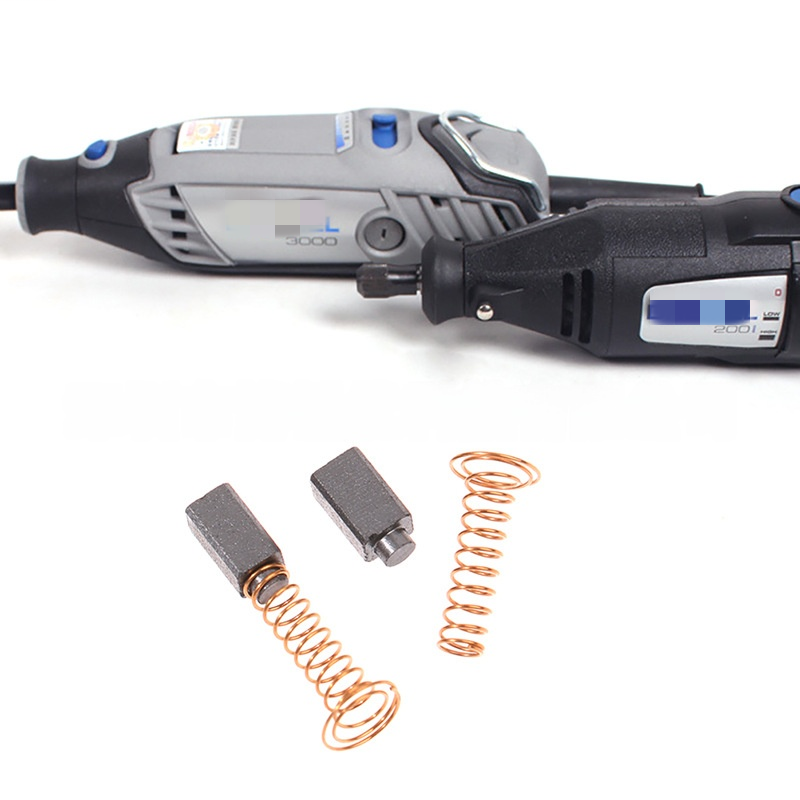
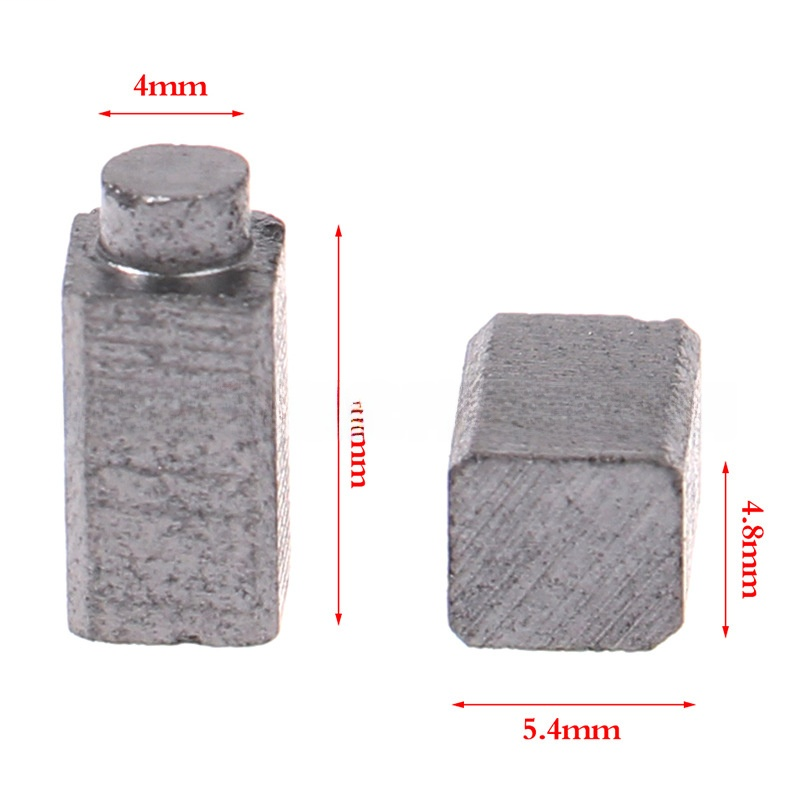
A: Check the model number stamped on the side of your tool. If you have the 4000, 395, 300, 6000, 595, or 100 series, select the 4000 Series Variant (replaces OEM part 90930-04). If you specifically own the 3000 or 200 series models, select the 3000/200 Variant, as the physical dimensions of the brush chute are slightly different.
Q: Only one of my brushes looks worn down. Can I just replace that one?
A: Absolutely not. Always replace carbon brushes in pairs. Mixing a new brush with a half-worn one creates uneven spring tension against the armature. This will lead to lopsided electrical transfer, excessive heat, and a ruined motor.
Q: I replaced the brushes, but my tool still won’t turn on. What’s next?
A: If fresh brushes do not solve a completely dead tool, the issue is likely further up the electrical chain. Check the variable speed switch module (often plagued by dust buildup) or the power cord for internal breaks near the base of the tool.
Legal Disclaimer: FixPartHub is an independent provider of premium aftermarket replacement parts. We are not affiliated with Dremel or Bosch Tool Corporation. All brand names, model numbers, and trademarks mentioned are the property of their respective owners and are used strictly to convey compatibility and fitment context for end-user maintenance.
Yes. This premium aftermarket 90930-04 carbon brush set is specifically engineered to be compatible with popular corded high-speed rotary crafting and hobby tools that require this part number. They are precision-cut to slide smoothly into the internal brass brush holders, ensuring consistent electrical contact even at extreme RPMs.
Because rotary tools operate at speeds up to 35,000 RPM, carbon wear is inevitable. The most common signs of worn brushes include the tool suddenly shutting off, power cutting in and out (erratic speeds), or the motor only running when you shake or tap the tool. If the carbon block is worn down close to the metal spring, you must replace them immediately to avoid destroying the armature.
Installation is very straightforward and requires no soldering. Unplug the tool, use a flathead screwdriver to remove the side caps, pull out the old brushes, and drop the new ones in. Crucial Pro Tip: The plastic brush caps on rotary tools are extremely fragile. Only hand-tighten them gently. Overtightening will crack the plastic caps and ruin the tool housing. After installation, run the tool at a low speed for 3 minutes to safely bed-in the new carbon.