Product Overview
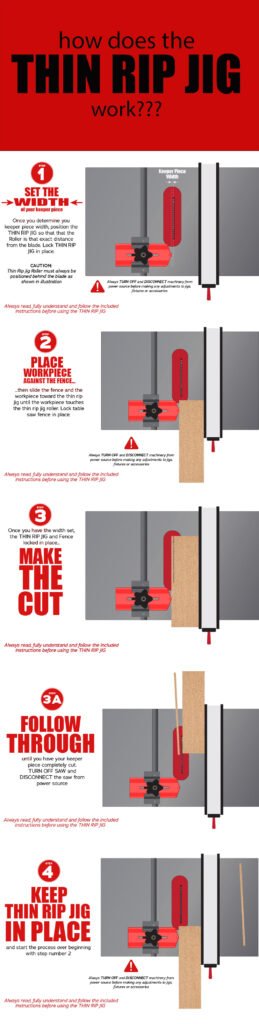
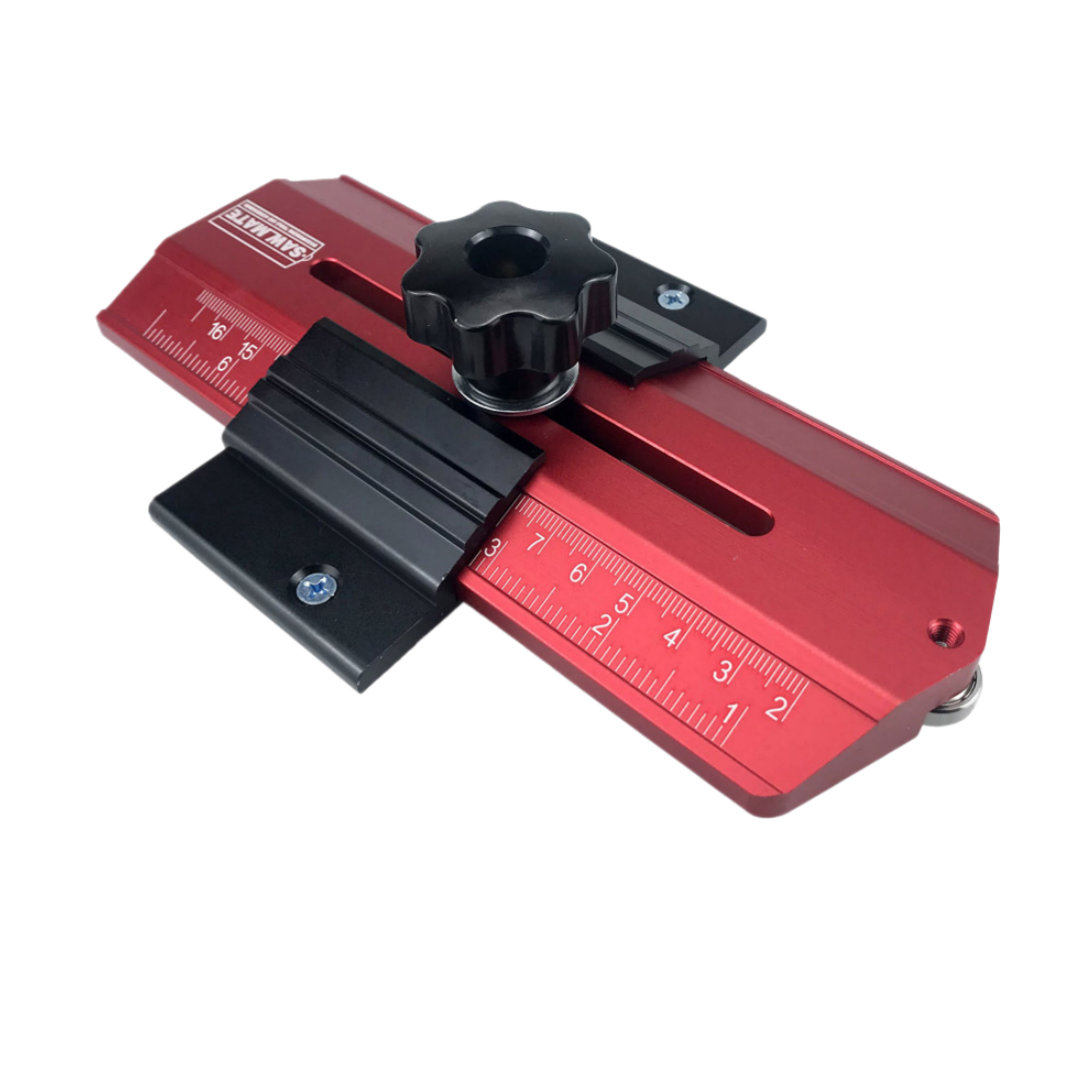
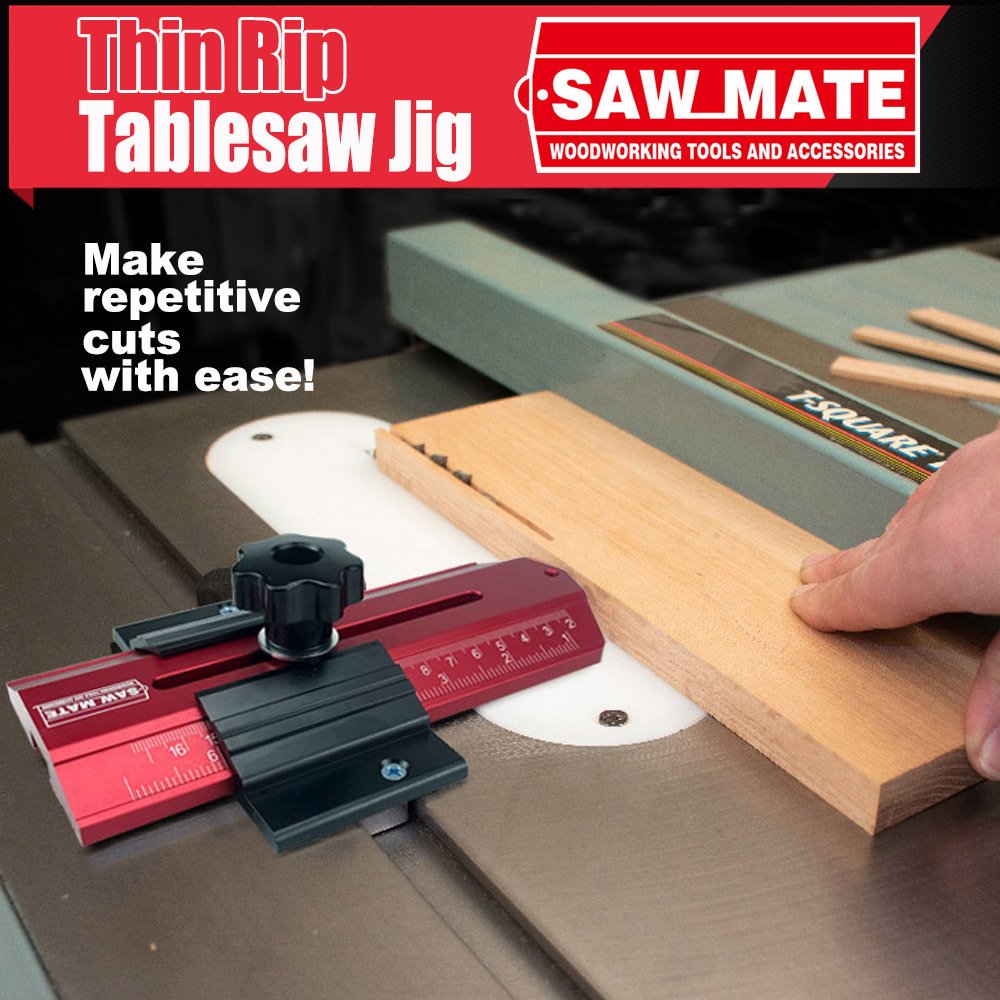
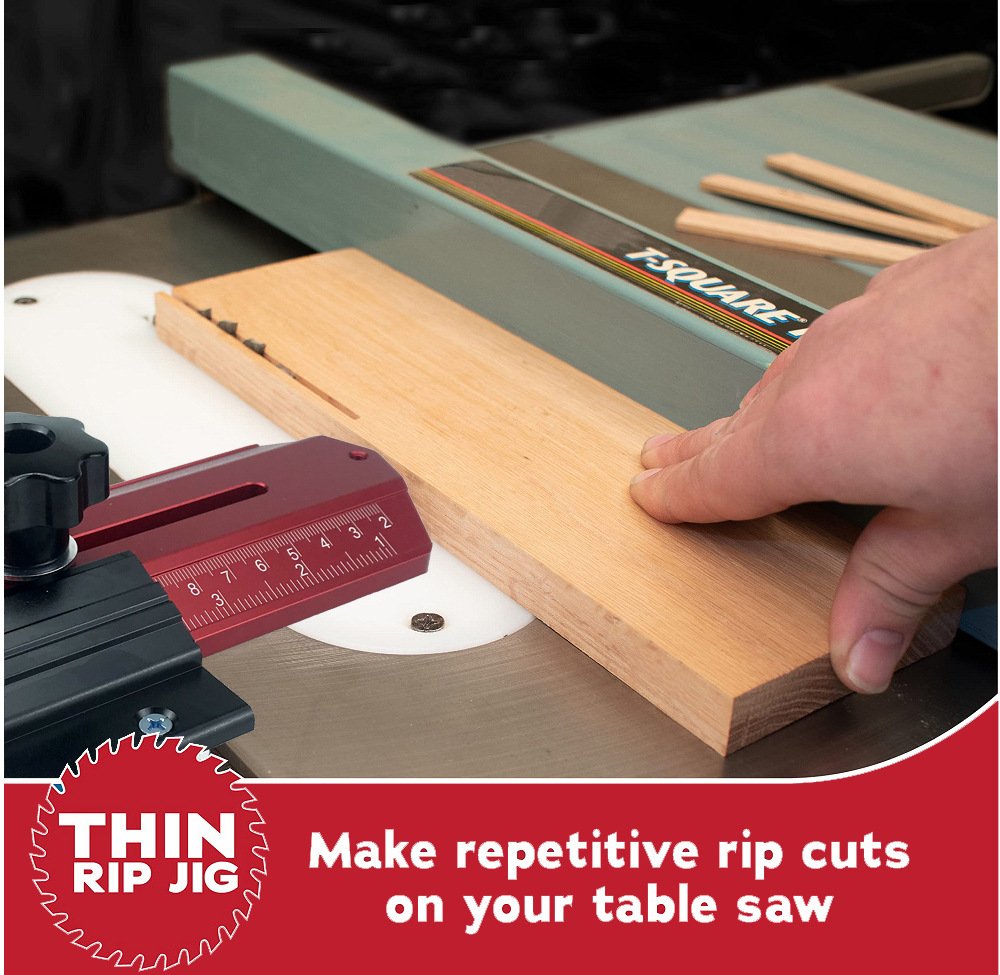
The Thin Rip Table Saw Jig is a precision narrow-strip cutting guide engineered for woodworkers who need to produce consistent, repeatable thin strips without the safety risks and frustration of freehand ripping. Whether you’re cutting shims, edge banding, inlay strips, or cabinet joinery components, this jig transforms your table saw into a precision strip-cutting machine.
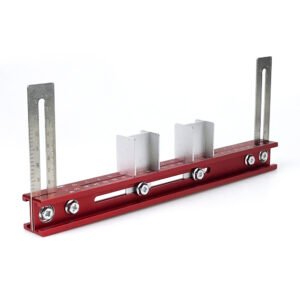
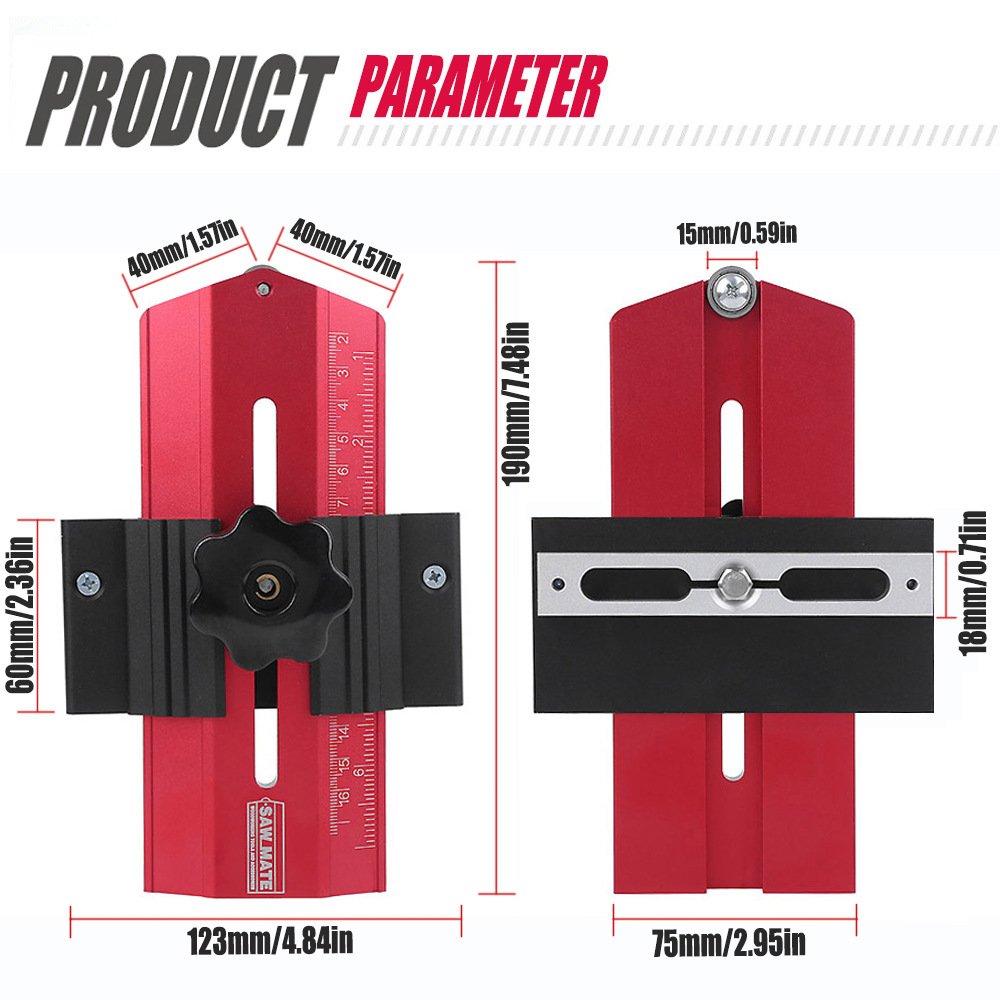
Designed to fit standard 3/4″ x 3/8″ miter slots and 3/8″ x 3/4″ U-slots, the jig slides into your table saw’s miter track and locks securely in place with a quick-release cam mechanism[reference:11][reference:12]. The laser-engraved dual scale allows you to set strip widths with 1/32″ accuracy – eliminating the guesswork of tape measures and combination squares[reference:13][reference:14].
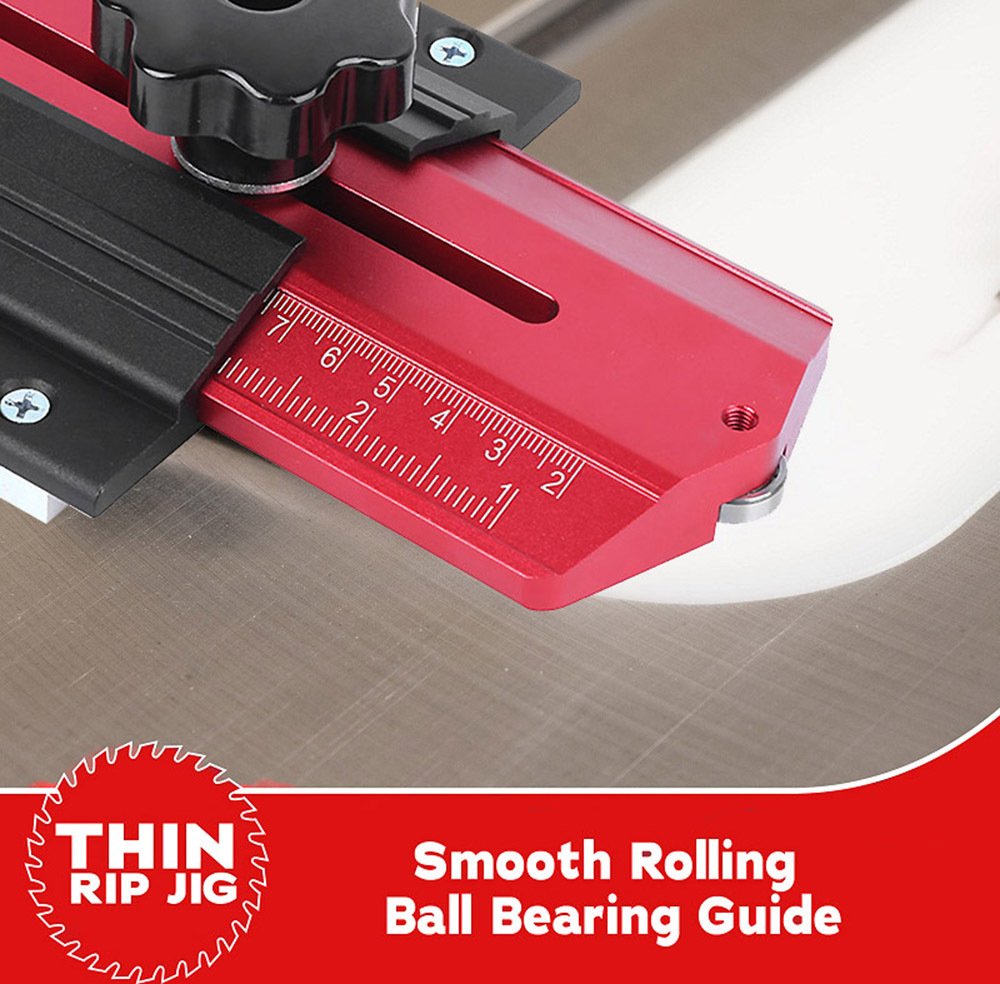
The sealed ball bearing guide is the key to the jig’s performance. It holds the workpiece firmly against the fence while allowing smooth, friction-free feeding[reference:15][reference:16]. This eliminates the binding and burning that occurs when ripping narrow strips against a standard fence – and dramatically reduces kickback risk.
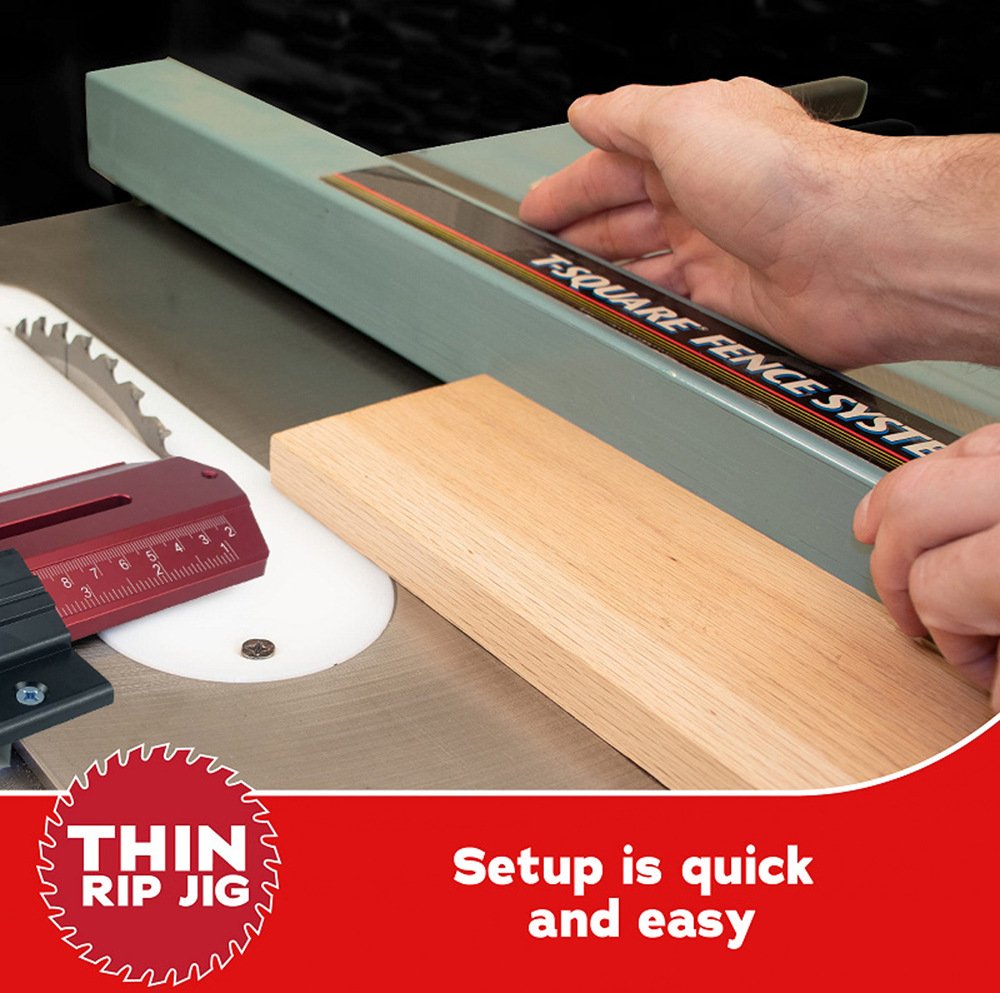
💡 Pro Tip – The Zero-Calibration Method: Before making your first cut, install the jig in the miter slot a few inches in front of the blade[reference:17]. Loosen the locking mechanism and slide the bearing until it just touches the saw blade. Zero the scale pointer at this position[reference:18]. Now, any strip width you set on the scale is measured directly from the blade – no math, no measuring tape, no errors. This single calibration step eliminates a major source of cutting inaccuracies and ensures your strips are true to size every time.
Diagnostic & Fitment – When to Use This Jig
Specification Comparison
| Specification | Freehand / Generic Fence Method | FixPartHub Precision Replacement ✅ |
|---|---|---|
| Strip Width Consistency | ±1/16″ or worse – variable results | ±1/32″ – repeatable, identical strips[reference:22] |
| Feeding Mechanism | Manual – friction, binding, burning | Ball bearing – smooth, zero-friction feed[reference:23] |
| Setup Time | Measure each cut individually | Set once, cut dozens – tool-free adjustments |
| Miter Slot Compatibility | N/A – standard fence only | 3/4″ x 3/8″ and 3/8″ x 3/4″ slots[reference:24] |
| Safety | High kickback risk – hands near blade | Hands clear of blade – controlled feed[reference:25] |
Setup & Usage Workflow
Compatibility – Miter Slot & Application Fitment
Diagnostic Q&A
❓ Q: Will this jig fit my table saw’s miter slot?
A: The jig is engineered to fit standard 3/4″ wide x 3/8″ deep miter slots and 3/8″ x 3/4″ U-slots[reference:31]. This covers the vast majority of table saws on the market. If your saw has a non-standard slot, measure your miter track dimensions before ordering.
❓ Q: How accurate is the scale on this jig?
A: The laser-engraved scale is accurate to 1/32″[reference:32]. This is sufficient for most woodworking applications including shims, edge banding, and inlay work. For even greater precision, you can set the jig using a digital caliper and lock it in place.
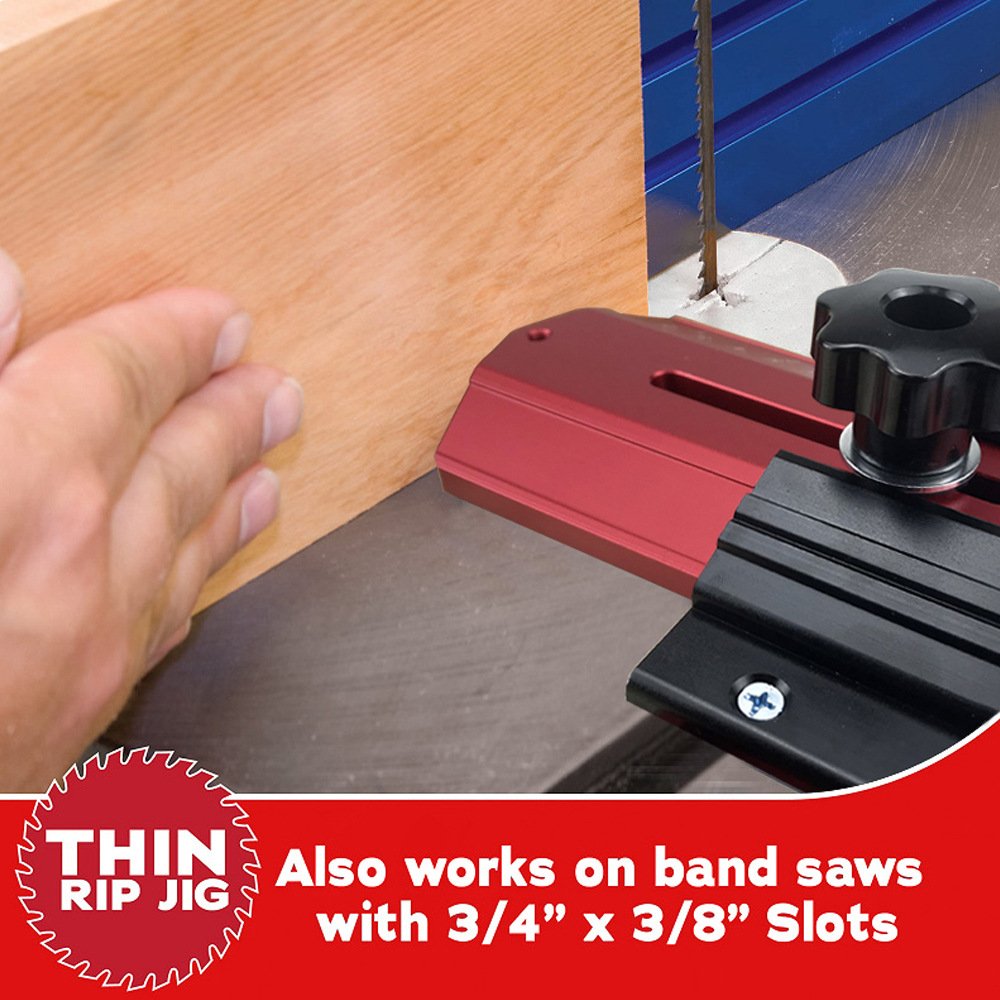
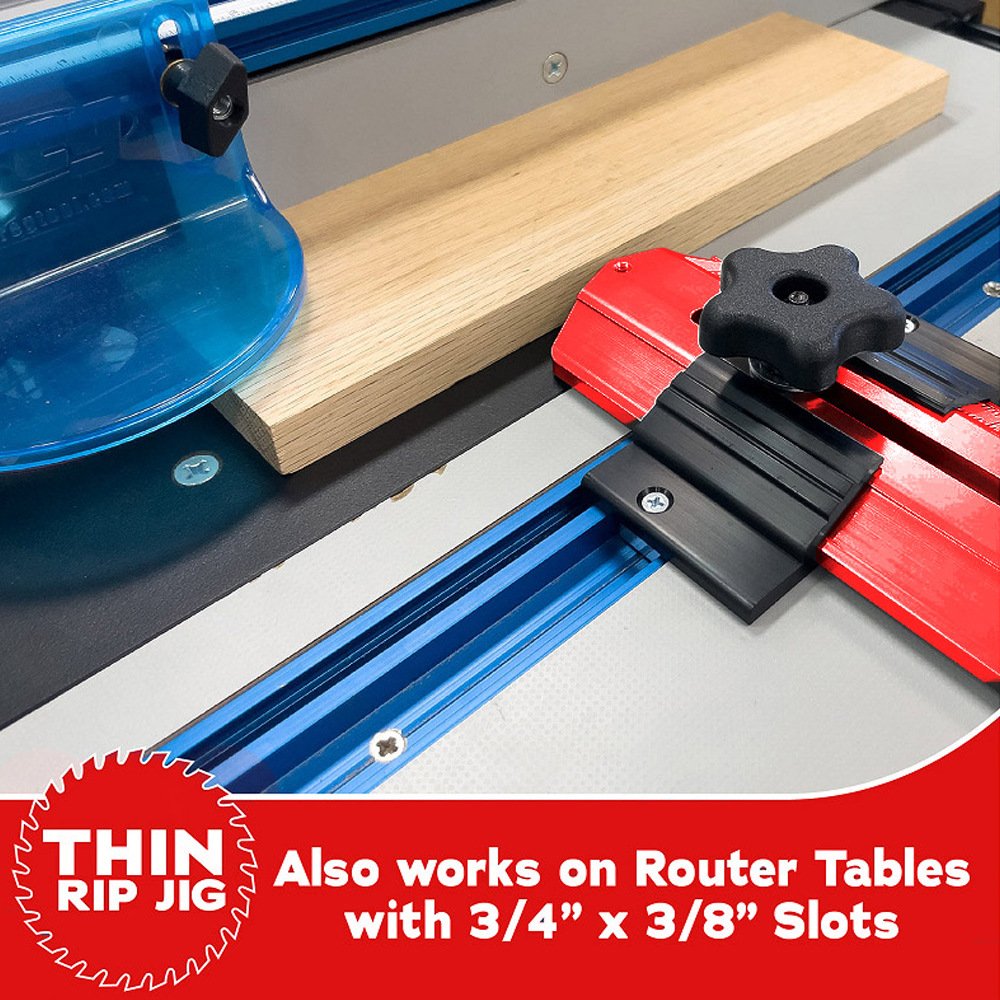
❓ Q: Can I use this jig on a band saw or router table?
A: Yes. The jig fits standard 3/4″ x 3/8″ miter slots and 3/8″ x 3/4″ U-slots found on many band saws and router tables[reference:33]. The bearing guide works equally well for guiding stock on any machine with a compatible slot.
❓ Q: What is the minimum strip width I can cut with this jig?
A: The jig allows you to cut strips as narrow as 1/32″. At these thin widths, the ball bearing guide is essential – it prevents the workpiece from binding against the blade and provides a stable feeding path that would be impossible with a standard fence.
Safety Notes
- 🔴 Always disconnect power from your saw before installing, adjusting, or removing the jig.
- 🔧 Verify the jig is securely locked in the miter slot before making any cuts – a loose jig is a safety hazard[reference:34].
- 🧤 Use push sticks or push blocks when feeding workpieces – keep your hands clear of the blade at all times.
- 📐 Set the bearing to just touch the blade – do not press the bearing against the blade with excessive force, as this can deflect the blade or damage the bearing.
- ✅ Make a test cut on scrap before committing to your final workpiece – verify strip width and feeding action before production runs.
A: A thin rip jig is a precision guide that slides into your table saw’s miter slot. It provides a fixed reference point for cutting narrow strips (as thin as 1/32″) that would be dangerous and inconsistent to cut against a standard rip fence. It eliminates binding, burning, and kickback while producing identical strips every time
A: The jig is designed for standard 3/4″ wide x 3/8″ deep miter slots and 3/8″ x 3/4″ U-slots. This covers most table saws, band saws, and router tables. If you’re unsure, measure your miter track width and depth before ordering.
A: The sealed ball bearing holds the workpiece firmly against the fence while allowing smooth, friction-free feeding. This eliminates the binding and burning that occurs when ripping narrow strips against a standard fence, and dramatically reduces kickback risk.
A: Yes. The jig is ideal for any application requiring consistent, repeatable narrow strips – including shims, edge banding, inlay strips, cabinet joinery components, and model-making parts.