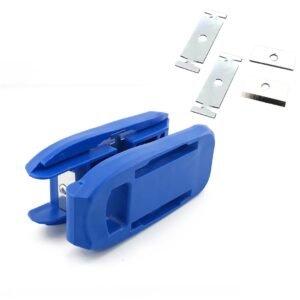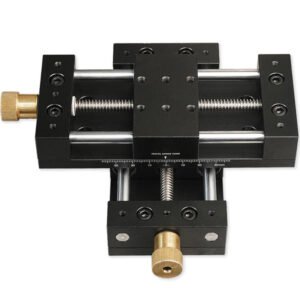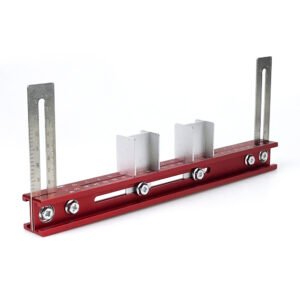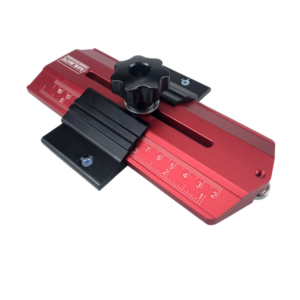
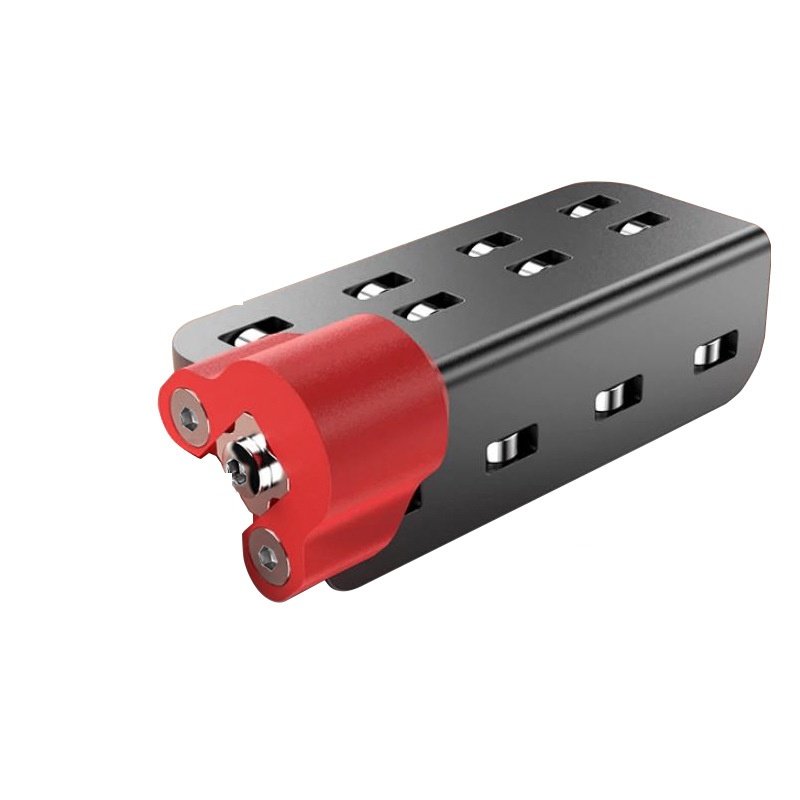
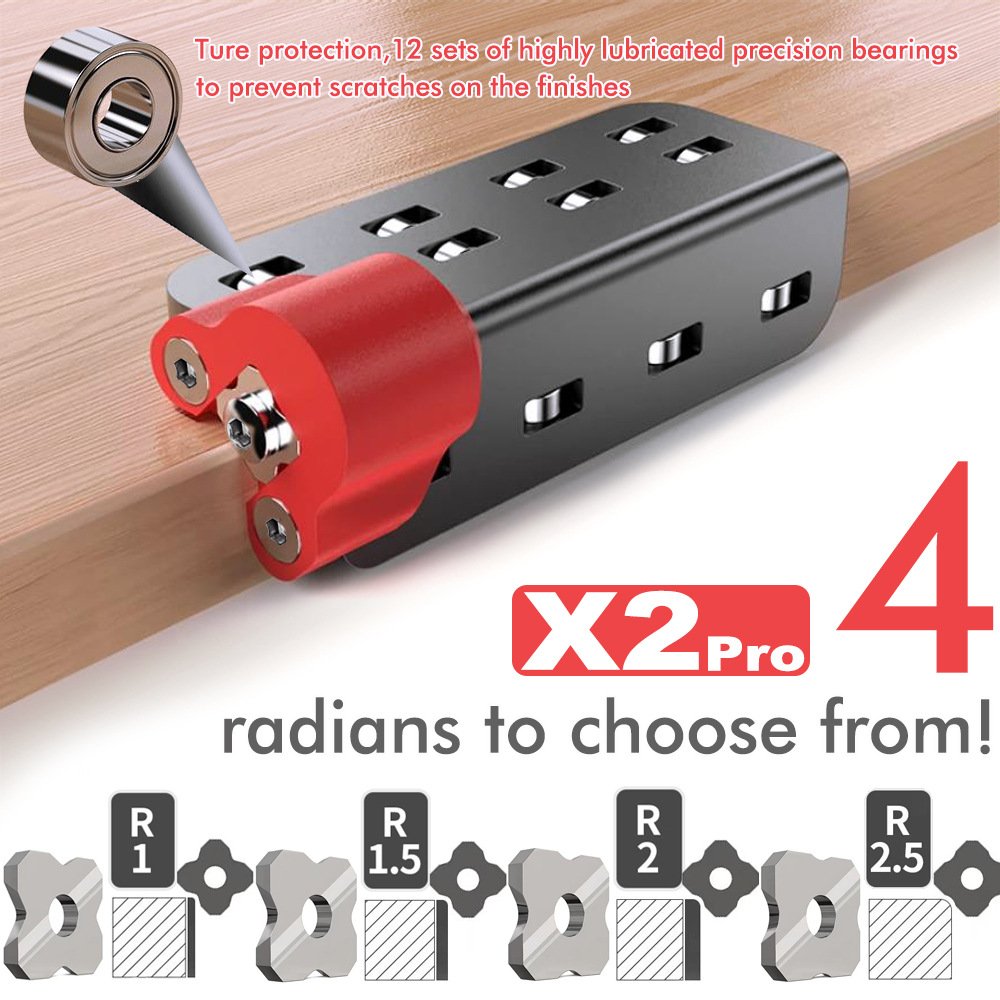
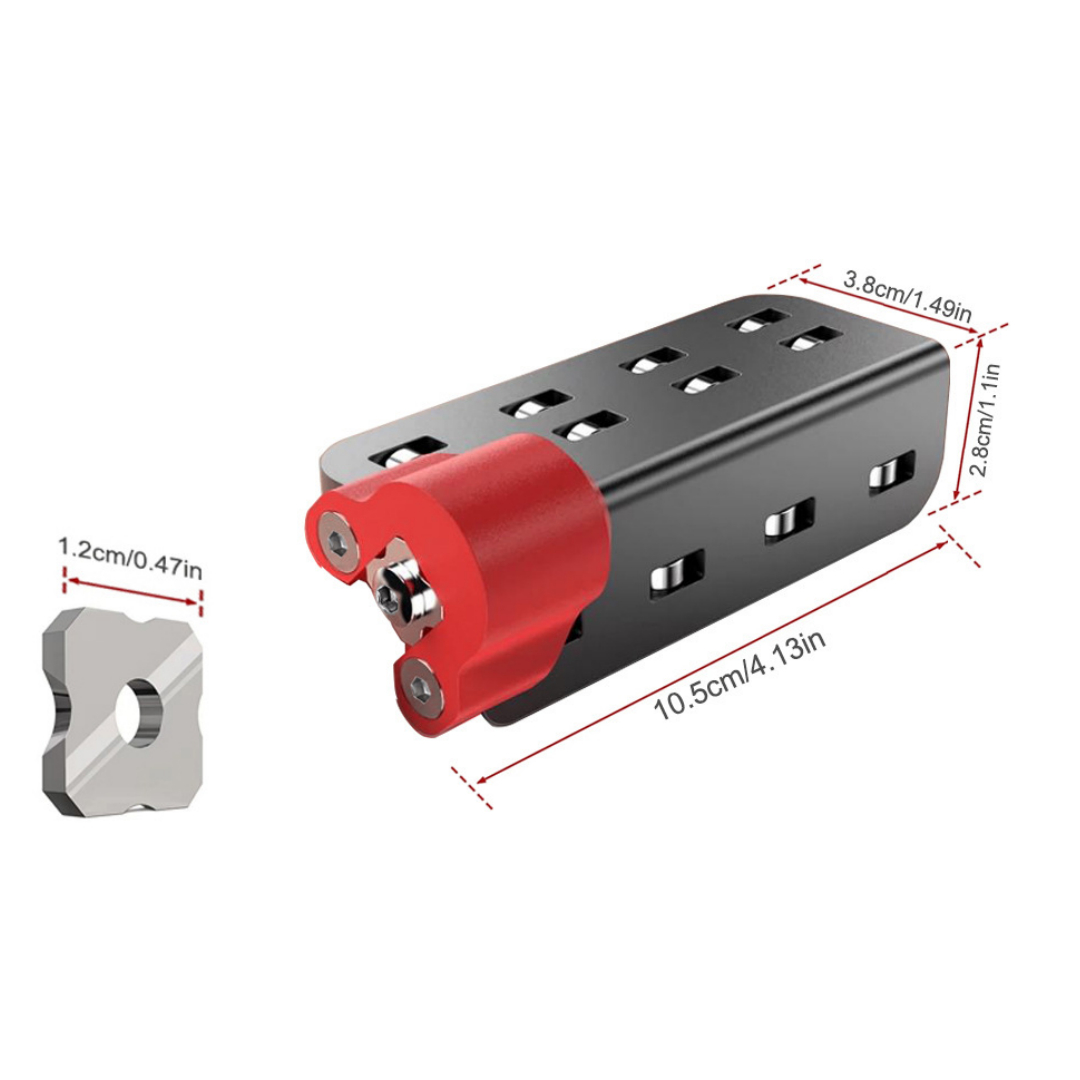
Standard utility knives slice unevenly, and massive electric routers risk melting your profile lines. For edge banding, clean execution requires a dedicated hand tool built around mechanical control. The FixPartHub Precision Edge Trimmer features a reinforced sliding guide that locks flat against the workpiece flank, ensuring your hand movement translates into a flat, mirror-smooth round-over without chewing into the face veneer.
How It Works
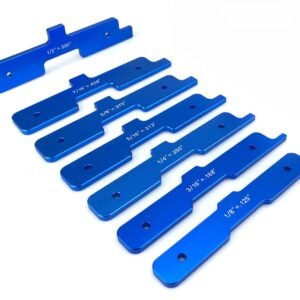
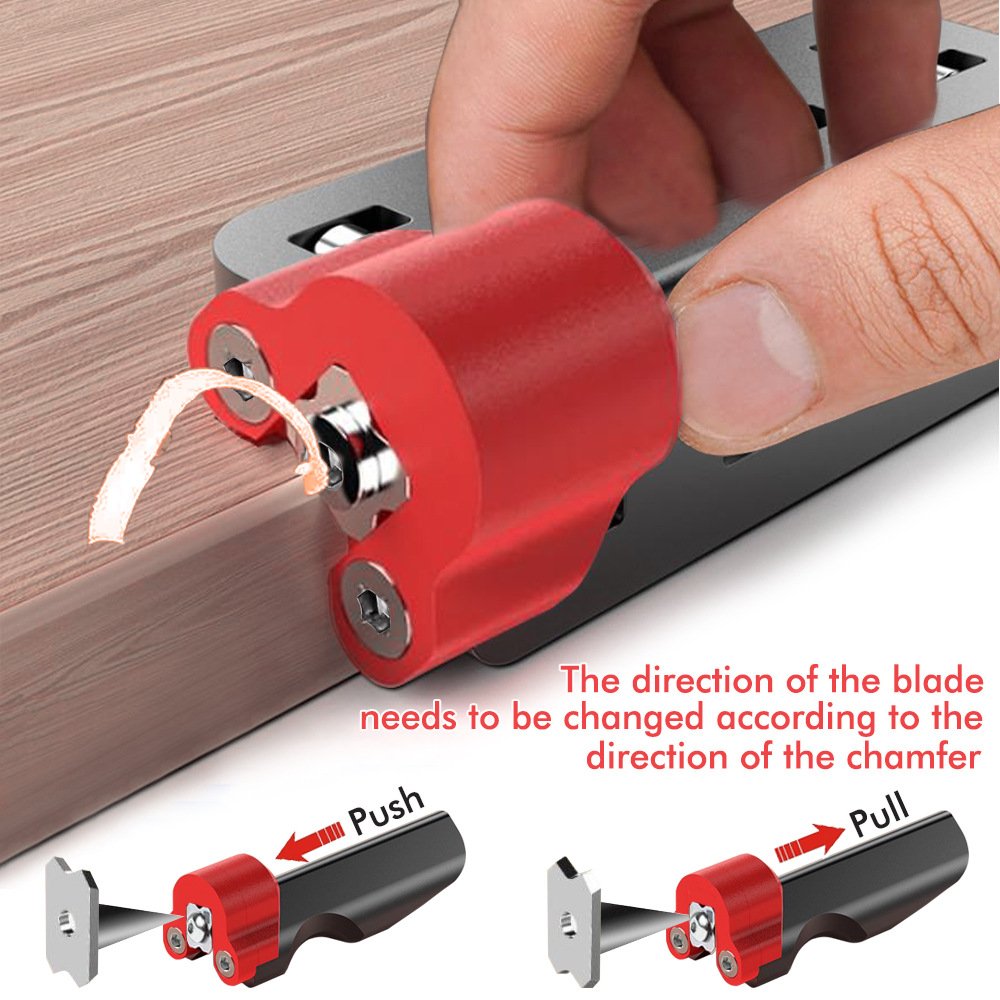
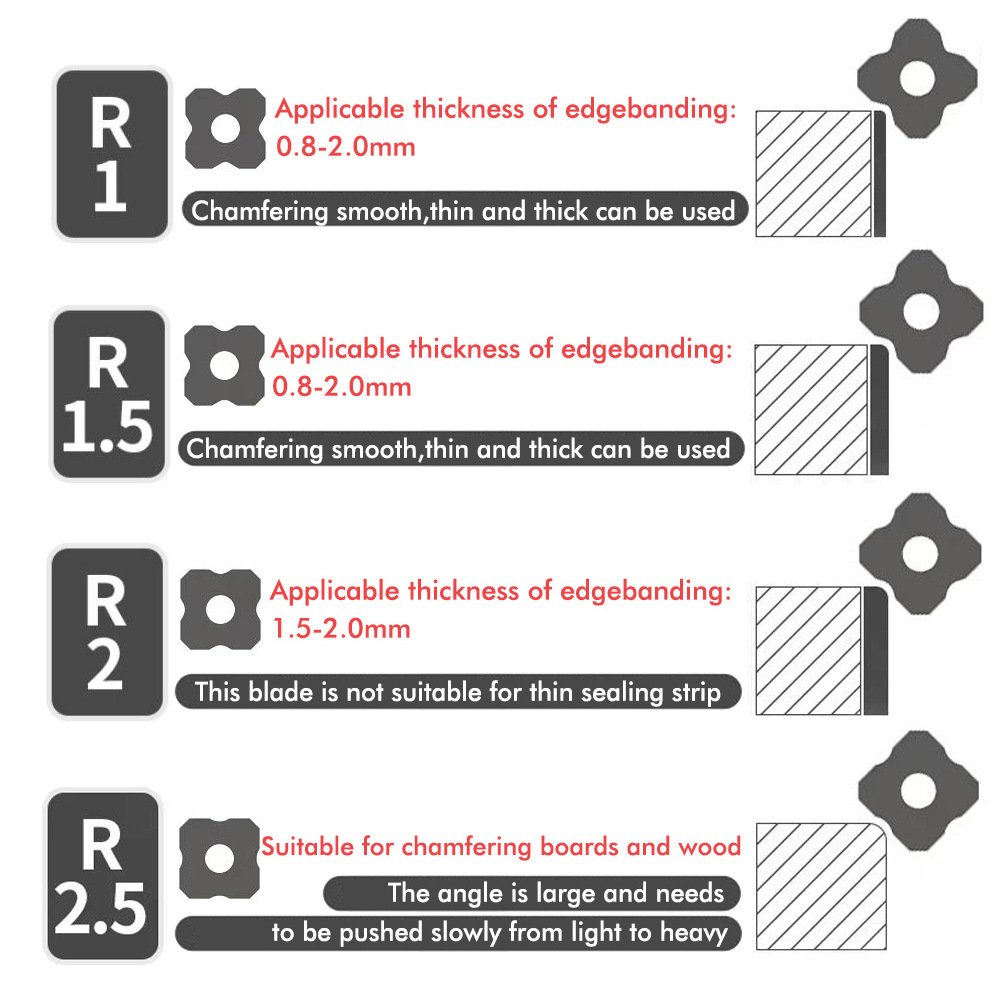
Select your radius blade (R1–R3) matching the edge banding thickness and secure it down into the cutter seat.
Register the tool’s integrated sliding alignment guide flat against the corner face of your panel.
Apply light downward and forward tension, drawing the tool cleanly along the perimeter to shear off excess tape.
Trimming Methods Comparison
| Operational Metric | Standard Box Cutters / Razors | FixPartHub Sliding Trimmer Kit |
|---|---|---|
| Depth Consistency | Highly erratic; prone to digging into decorative faces. | ✅ Mechanical tracking base locks flush depth. |
| Radius Capability | Leaves square edges; requires tedious manual sanding. | ✅ Pure concentric arcs using custom profile blades. |
| Delamination Risk | High splintering risk on brittle melamine panels. | ✅ Clean, shear-cut action shields surface laminates. |
Step-by-Step Replacement Workflow
Material Spectrum & Compatibility
Technical Breakdown Q&A
A: Standard edge trimmers bend or distort under high lateral grip pressure. The reinforced sliding structure utilizes an advanced tracking track that stays dead flat against the panel face, neutralizing hand tilt and ensuring a perfectly straight cut line.
A: The number dictates the ideal thickness profile. R1 is configured for thin edge banding below 1.0mm. R1.5 handles medium tapes from 1.0mm to 1.5mm. R2 is built for thicker commercial bands around 1.5mm to 2.0mm, and R3 is dedicated to heavy solid wood veneer profiles.
A: The kit utilizes custom micro-grain steel blades designed for prolonged sharpness retention. While they can be touched up on a diamond sharpening card, replacement blades are recommended for production-grade corner symmetry.
Safety Guidelines
- Keep your tracking hand positioned completely behind the blade’s travel vector when pulling the trimmer along long panel runs.
- Store unused profile inserts directly inside protective tool padding to prevent edge damage or accidental finger nicks.
- Clear away plastic or wood curls from the internal slide rails frequently to avoid trajectory deviations during high-pressure trims.
No, this trimmer is a single-sided premium profile tool with an advanced sliding track. It isolates one corner matrix at a time, allowing for far tighter depth regulation and eliminating the surface damage issues common to dual-sided squeeze cutters.
The contact base plate of the trimmer is molded from an industrial polymer alloy that glides seamlessly across sensitive face veneers and high-gloss paint-free panels without leaving friction tracks or surface abrasion.
Yes. By installing the deeper R3 blade profile, you can cleanly chamfer and micro-bevel solid hardwood banding, provided you maintain an even, firm feeding pace.